

Bombing Iran’s Great Mosque could cost the world
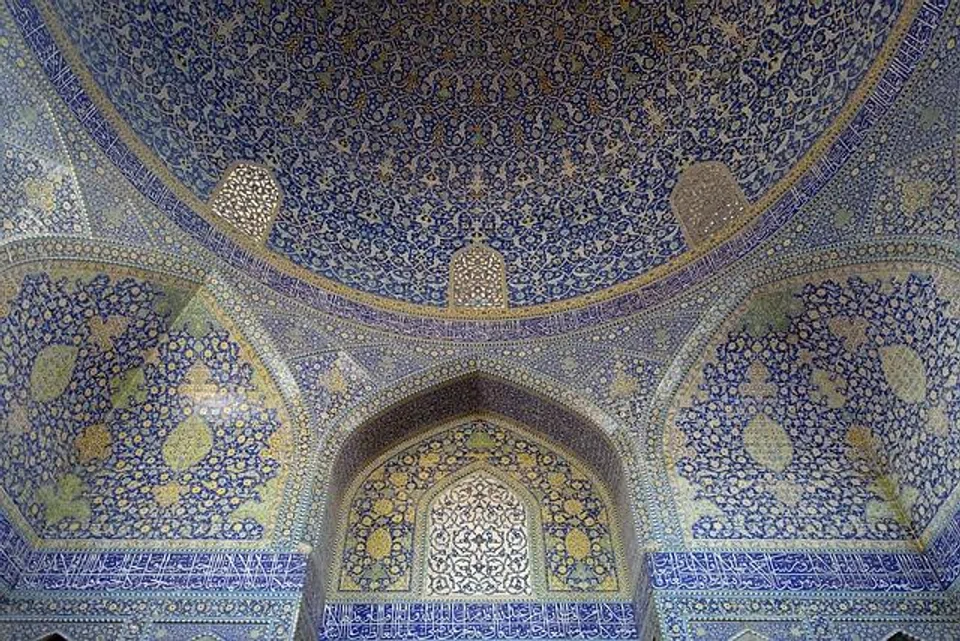
The US knows what can happen when its monuments are destroyed. Who can foretell the consequences if Isfahan’s mosque suffers irreparable harm?
OVER the last few weeks, the booming of long-exploded bombs resounded as I walked home from work in London. I live in the Barbican, the cultural-residential complex just 10 minutes on foot from the office; it was built on the site of a densely packed urban ward levelled by Luftwaffe attacks in World War II.
An old census put the population of what was called Cripplegate at around 35,000 residents. After the war, so many were displaced (or killed) that only 48 remained in the area. There are many plaques commemorating lost buildings. The survival of St Paul’s Cathedral – just south of Cripplegate and a premeditated target of Germany – is still cherished as a miracle by Londoners.
Today, history echoes when I hear of bombing runs on cities in the ongoing Gulf war. I shudder. Iran alone has 29 Unesco heritage sites, placing it among the top 10 countries with the most landmarks enjoying the protective status – which alas offers no defence against belligerent air forces. Many have suffered damage.
TRENDING NOW
Malaysian king buys stake in Singapore-listed mining firm expanding into rare earths

Grab CEO’s wife Chloe Tong on life with Anthony Tan and finding her purpose

Once staunchly pro-China, Malaysian Chinese businesses are now distancing themselves from Beijing

Longer wait times expected as S’pore healthcare institutions report system disruptions

