Brace for supply chain risks from conflict and climate change in 2024
SUPPLY chains are set to face continued uncertainty in 2024, on the back of geopolitical and environmental risks. Companies and consumers should prepare for disruption, but hopefully be in a better position to handle surprises – thanks to hard-earned lessons learnt from the pandemic years.
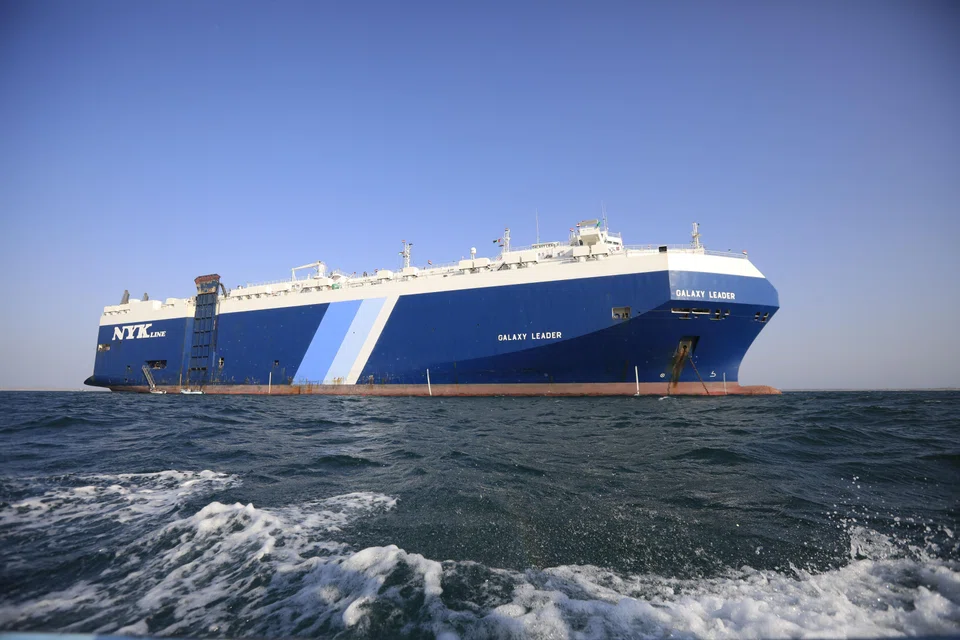
Recent attacks in the Red Sea have raised fresh fears of shipping delays. Since the eruption of the Israel-Gaza conflict in October, Yemen’s Houthi rebels have increased their attacks on vessels in the Red Sea.
Major shipping companies such as Maersk were forced to avoid the Suez Canal – which accounts for over a tenth of the world’s shipping traffic – and go on a much longer route around the Cape of Good Hope. As a result of the conflict, ports in Singapore and Malaysia could come under “massive pressures”, one veteran shipping analyst has warned.
The Red Sea situation has raised shipping costs sharply and disrupted companies’ supply chains. Furniture giant Ikea warned of potential product shortages, while appliance maker Electrolux began looking into alternative routes. Food company Danone diverted many of its shipments. It is not clear when the rebel threat will be resolved, with heavy fighting still under way in Gaza.
There are other geopolitical threats to global supply chains. The Russia-Ukraine war is still ongoing, with no clear prospect of a breakthrough in the Ukrainian counteroffensive. This could mean continued volatility in the prices of key commodities such as fertilisers, wheat and gas. Meanwhile, over in Africa, the escalating civil war in Sudan could destabilise the region and interfere with trade flows along the Suez Canal, while affecting the supply of key food ingredient gum arabic.
Beyond man-made crises, climate change and severe weather events also pose unprecedented threats to global supply chains. The Panama Canal recently faced a severe drought with water levels hitting a 73-year low, worsened by the El Nino weather pattern. The canal, which links the Atlantic and Pacific oceans, accounts for 6 per cent of global trade. With the drought, the number of daily sailings fell to 24, down from a maximum capacity of 38 to 40 ships a day. Experts caution that 2024 could bring more of such unpredictable weather events that affect key trade routes and infrastructure.
Companies across the supply chain – from shippers to retailers – should not let down their guard in the new year. Contingency plans and careful inventory management will be essential to mitigate the possibility of supply chain shocks. Consumers, on the other hand, will need to manage their expectations of delivery speeds and the availability of certain goods, without rushing into panic buying.
A silver lining is that the pandemic years have already taught the world how to cope with supply chain crises. Calls are growing for the logistics industry to ramp up innovation efforts, such as by using artificial intelligence tools to increase efficiency.
Such efforts will be critical, as 2024 may pose yet another test for supply chain resilience.