

Bye, bye globalisation? Trump’s tariffs usher in a new economic age
The president wants products sold to American consumers to be manufactured in the US, and to undo the process of integrating the global economy and end free trade policies
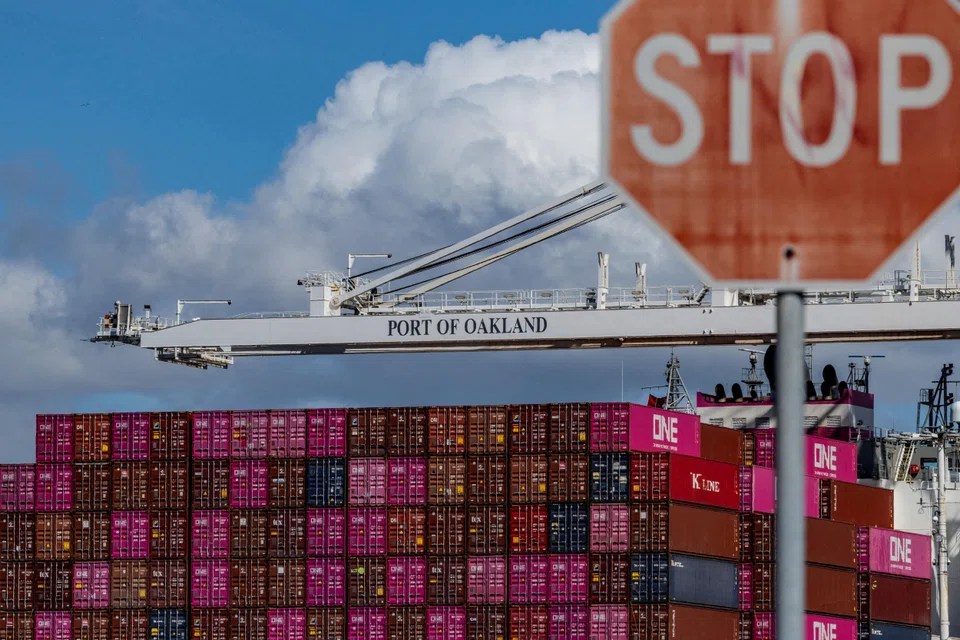
WHEN US President Donald Trump launched his biggest tariff barrage and proclaimed “Liberation Day” last week, he may also have closed a chapter in economic history, bringing in the process an end to the era of breathtaking globalisation that powered the global economy for close to eight decades.
By applying across-the-board new tariffs of trillions of dollars to foreign imports, the president was sending a clear message that he wants products sold to American consumers to be manufactured in the US, and to undo the process of integrating the global economy and end the free trade policies that have driven it and that were pursued by dozens of presidents.
Under these policies that go back to the end of World War II, US leaders headed a global campaign to reduce barriers to trade, investment and finance, and to spread prosperity around the world.
The conventional wisdom has been that the process of globalisation made the US prosperous, turned it into a global economic superpower and symbol of innovation, and the envy of the entire world.
For Trump, however, apparently globalisation turned the US into a victim, “looted, pillaged, raped and plundered by nations near and far, both friend and foe alike”, as he stated last week in the White House’s Rose Garden.
From the president’s perspective, the period of rapid globalisation that started in the late 1980s in the aftermath of the Cold War, under which China and other low-wage countries were integrated into the global economy, ended up “ripping-off” economically low-skilled American workers.
The creation of the North Atlantic Free Trade Agreement in 1994 hurt workers in basic manufacturing while competition from China – which joined the World Trade Organization (WTO) in 2001 – put 2.4 million Americans out of work. New free trade deals encouraged corporations to move their factories abroad to take advantage of low-wage workers.
Indeed, the loss of manufacturing jobs to less developed countries and the global financial crisis of 2008 ignited political backlash and created public resentments about trade that Trump has exploited, as he promoted a policy of mercantilism that he is now ready to implement.
The bottom line was that the global trading system that was advanced by American leaders under the auspices of the WTO failed to deal with the rise of China and other economies that did not adhere to free market principles. That in turn helped turn public sentiments against free trade. And running for president in 2016, candidate Trump embraced a protectionist agenda that seemed to respond to those public attitudes then (and now).
If the age of globalisation was characterised by the notion of win-win, Trump is the ultimate zero-sum game player who believes that the new era would be defined by those who win in negotiations – and he intends to turn the US into such a winner.
According to Trump, Americans would be better off producing what they need rather than buying them from abroad, even if that leads to higher costs.
Instead of absorbing the excess production of other countries, thanks to predatory trade practices by China, the European Union and other trade partners that suck American jobs and industries abroad, the US would once again become a manufacturing hub.
Hence, high tariff walls and other unilateral American action would usher in a golden age of American production, new manufacturing jobs and widespread prosperity, like in the 1950s when Trump was growing up.
At a minimum, tariffs would prevent further offshoring and perhaps bring advantages to high-end manufacturing. As Trump envisions it, foreign companies would then flood into the US with trillions of dollars in investment. The stock market would roar and shiny new factories – “the best anywhere in the world” as he suggested in his Rose Garden presentation – would replace the shuttered plants of an earlier age.
“We’re going to be an entirely different country, and it’s going to be fantastic for the workers,” Trump said. “It’s going to be fantastic for everyone.”
The president is confident that some manufacturing capacity, especially in the auto industry, would return quickly to the US. He noted that some European companies, including Siemens, are considering investment in American manufacturing while Taiwan Semiconductor Manufacturing Co said last month that it plans to invest in chip-manufacturing plants in the US.
But that optimism is challenged by economists who note that “American” cars contain thousands of parts that are made abroad, while US manufacturing is geared to advanced technology and does not have ready supplies of basic components.
Moreover, many American companies have invested hundreds of billions in global production networks that cannot be easily untangled. In fact, the global economy is built on complex supply chains that propel products across numerous borders maintained by a framework of international cooperation that Trump wants to dismantle.
At the same time, the goals that he is advancing are at times contradictory. For example, Trump seeks to use tariffs for raising revenues, but he also talks about the levies shrinking imports and increasing production. He wants tariffs to bring back production, but also wants to use them as leverage in negotiations.
It is quite possible that Trump’s tariffs would unleash a period of protectionism and trade wars, as other economies retaliate against the American moves, as China has done by imposing a 34 per cent tariff on US goods.
Intertwining with geopolitical conflicts, such trade disputes can exacerbate international tensions while leading to recessions that could create political upheavals in many countries. That is what happened in the 1930s when trade wars worsened the economic depression of the time, and ignited international pressures that eventually led to World War II.
Under a less apocalyptic scenario, the tariffs and the ensuing trade battles would, indeed, dismantle the foundations of globalisation, but would encourage the creation of regional trading blocs – say, a North American one led by the US, an East Asian alliance headed by China, and a more integrated EU. These blocs would then create mechanisms for managing the relations between them and provide some sense of stability for the global economy.
TRENDING NOW

Knight Frank’s Tan Tee Khoon leaves firm, Nicholas Keong takes over auction business
Keppel Energy, Sembcorp Utilities and Tuas Power to supply biomethane in pilot project

GovTech retrenches another 38 staff in second round of layoffs
Take-up of new private homes dives 45% in Q3 as prices accelerate with 1.4% rise

