

China in the Gulf: stakeholder or hegemon?
Beijing’s transactional approach to the Middle East presents a new strategic reality which Asean nations must navigate
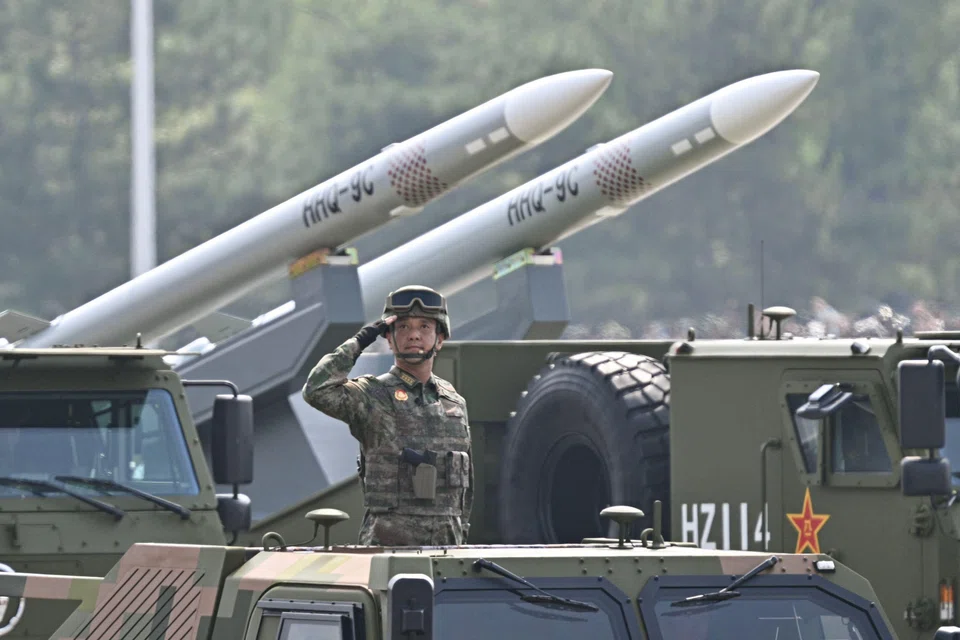
BEIJING’S brokering of the Iran-Saudi detente in 2023 sparked a wave of speculation: Is China replacing the United States as the new regional hegemon?
This conclusion, while tempting, misreads Beijing’s actual strategy. China is not a new hegemon; it is a new type of external power – one defined by transactional interests, not territorial or ideological ambition.
China’s involvement in the Middle East is fundamentally different from that of the US or Russia. It is primarily economic and strategic. Beijing has significant energy interests – particularly oil and natural gas imports essential to fuelling its massive economy. China has invested heavily in regional infrastructure through Belt and Road Initiative projects, and maintains diplomatic relationships with various states, often without the historical baggage that burdens Western powers.
The limits of Beijing’s regional power
Yet despite its economic clout, China has deliberately avoided the military overcommitments and nation-building ventures that have plagued American strategy in the region. Beijing maintains a single overseas military base in Djibouti – hardly the footprint of a regional hegemon. It has no significant naval presence in the Persian Gulf and shows little appetite for the kind of military interventions that define regional powers.
China’s foreign policy in the Middle East also remains largely transactional. It pursues its economic interests, supports regional stability to protect those interests, and generally avoids taking sides in regional conflicts – a pragmatism often mistaken for influence.
The 2023 agreement between Iran and Saudi Arabia, facilitated by China, has been celebrated as a demonstration of Beijing’s growing clout – but it might be better understood as a reflection of what both regional powers wanted: a way to reduce tensions without external pressure.
As it currently stands, China is a consequential external power with significant economic interests but limited appetite for regional dominance in the Middle East. It is one actor among many – a stakeholder, not a hegemon.
Implications for Asean
China’s deepening engagement in the Middle East could reshape the economic and diplomatic landscape for Singapore and the rest of Asean. This creates a more complex environment than the post-Cold War period when American predominance simplified strategic choices.
A new trilateral dynamic may emerge, offering significant opportunities in trade, investment and energy security. The Asean-Gulf Cooperation Council partnership alone is expected to generate US$50 billion in new trade flows by 2027, noted the World Economic Forum. Gulf-Asia energy interdependence is deepening, creating a powerful, shared interest in stability.
The shift also presents complex strategic challenges. The central task for Asean states is to capture these economic benefits – trade growth, investment capital and connectivity projects – while maintaining sufficient strategic autonomy to navigate intensifying great-power competition.
The most successful Asean states will likely be those that can position themselves as indispensable connectors in the emerging trilateral system – places where Gulf capital, Chinese scale and global markets intersect.
Singapore exemplifies the multi-alignment strategy that could characterise the bloc’s response to these shifting dynamics. In 2024, Singapore secured 25 new agreements with China, alongside deeper defence cooperation with the US and expanded trade ties with the EU. This represents an active strategy to maximise benefits from multiple relationships while avoiding exclusive alignment with any single power.
The question is whether other Asean states can develop similar strategies suited to their own circumstances, or whether the region will fragment into those who successfully navigate this complexity and those who find themselves squeezed between competing demands.
TRENDING NOW

Once staunchly pro-China, Malaysian Chinese businesses are now distancing themselves from Beijing

Britain’s mansion tax shows the difficulty of targeting wealth
Three hats, one goal: How Ng Kian Swan runs sustainability at NUHS

COE review: The gap between luxury and mass-market cars isn’t the only one worth bridging

