Is China winning the competition with the US in South-east Asia?
As Asean navigates great power rivalry, the bloc’s nations may well favour Beijing’s comprehensive approach
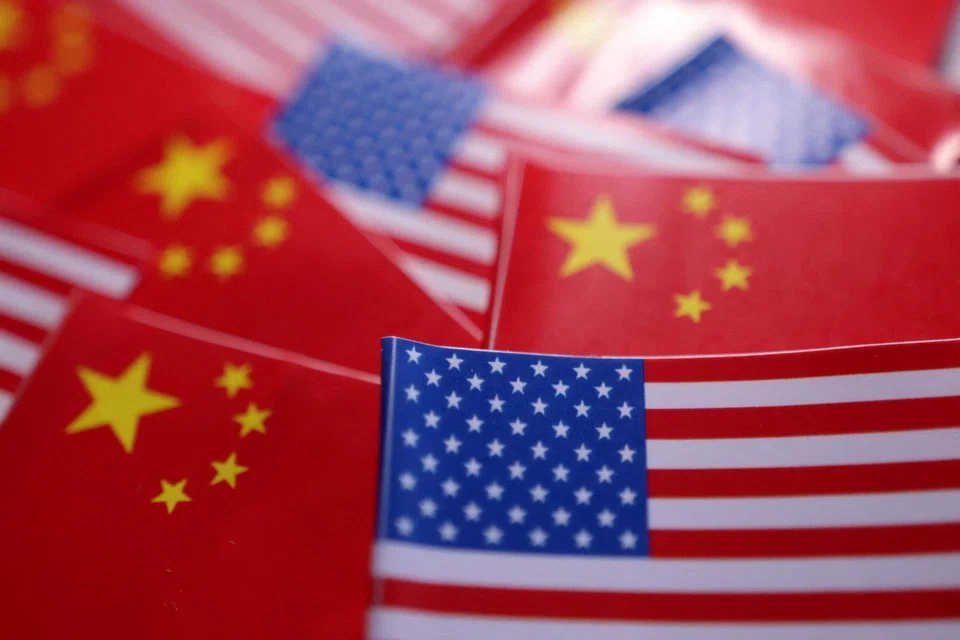
THE geopolitical competition between China and the US in South-east Asia increasingly tilts in Beijing’s favour. Through a combination of economic integration, diplomatic pragmatism and geographic proximity, China has built structural advantages that American policy struggles to counterbalance.
Economic interdependence as strategic lock-in
China’s economic footprint in South-east Asia dwarfs that of the US. As the region’s largest trading partner, China conducted an estimated US$772.4 billion in merchandise trade with Asean nations in 2024 alone – US-Asean merchandise trade amounted to about US$453.2 billion in the same period. The Belt and Road Initiative has financed critical infrastructure across the region, from high-speed rail in Laos to port facilities in Cambodia and Malaysia. These investments create dependencies that translate into political influence.
While American officials emphasise the quality of democratic partnerships, South-east Asian nations prioritise tangible economic development. China delivers infrastructure at a scale and speed the US cannot match. When Indonesia needs to build its new capital city or the Philippines requires financing for transportation networks, Chinese banks and companies provide immediate, large-scale solutions without the conditions that often accompany Western aid.
Diplomatic realism over ideological lectures
Beijing’s non-interference principle resonates with South-east Asian governments wary of external pressure on domestic governance.
China engages these nations on their own terms, without demands for democratic reforms or human rights improvements. This pragmatic approach contrasts with American rhetoric that South-east Asian leaders often perceive as patronising or hypocritical.
The US struggles with consistency in the region. American engagement waxes and wanes with each administration, creating uncertainty about long-term commitments. China, by contrast, maintains steady diplomatic attention and economic engagement. South-east Asian nations recognise which power reliably shows up.
Geographic reality and regional integration
China’s geographic proximity creates a natural gravitational pull. Supply chains, tourism, migration patterns and cultural exchange all flow more naturally with a neighbouring power than with one across the Pacific.
The Regional Comprehensive Economic Partnership, which China helped negotiate and which the US declined to join, further integrates regional economies in ways that favour Chinese influence.
Even nations with territorial disputes with China in the South China Sea find themselves constrained by economic realities. The Philippines may protest Chinese vessels in contested waters, yet it cannot afford to rupture economic ties with Beijing. This tension reveals China’s strategic success: South-east Asian nations may resist Chinese assertiveness in principle but accommodate it in practice.
America’s diminishing presence
US strategy in South-east Asia relies heavily on security partnerships and naval presence, but these tools prove insufficient against comprehensive Chinese engagement.
American military alliances cannot compete with the daily economic interactions that shape regional priorities. The US maintains important security relationships with Thailand, the Philippines and Singapore, yet these partnerships increasingly coexist with – rather than counterbalance – Chinese influence.
Washington’s Indo-Pacific strategy articulates ambitious goals but lacks the economic architecture to compete effectively. Without participation in regional trade frameworks or comparable infrastructure investment, US influence gradually erodes. South-east Asian nations hedge between powers but increasingly align their economic futures with China.
The verdict of pragmatism
South-east Asian nations navigate great power competition by pursuing their own interests, and those interests increasingly align with Chinese engagement. Beijing offers infrastructure, investment, market access and diplomatic respect – the fundamental currencies of international influence. The US offers security guarantees and democratic values, important but insufficient in the face of China’s comprehensive approach.
The competition continues, but the trajectory favours China. Unless the US dramatically recalibrates its engagement strategy with commensurate economic commitments, South-east Asia will increasingly operate within a Chinese sphere of influence. Geography, economics and sustained diplomatic attention are winning this competition.