Circular water economies will power South-east Asia’s growth story
Singapore’s NEWater programme is a prime example
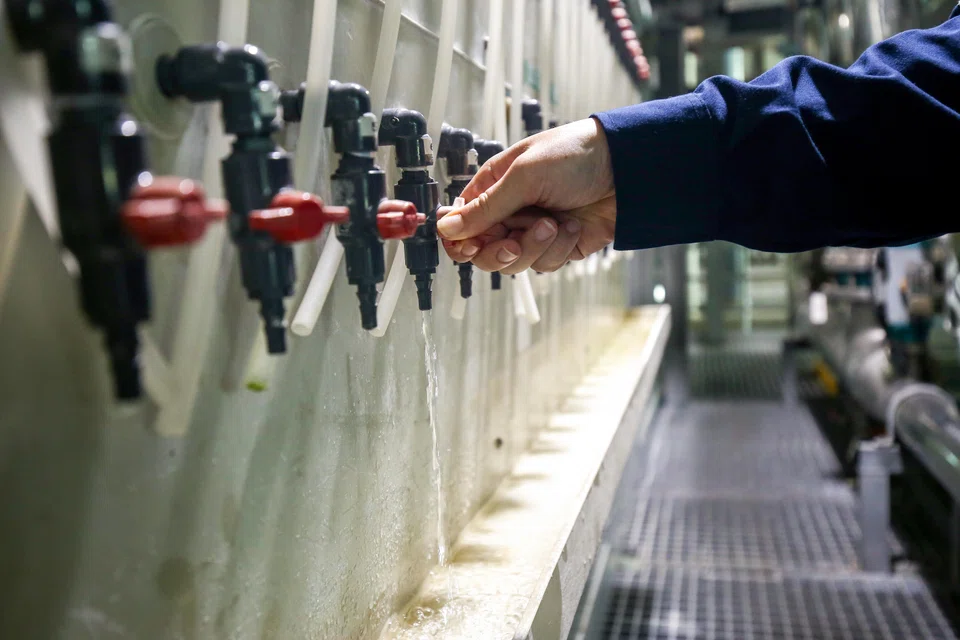
DURING Singapore International Water Week, which ran from Jun 16 to 18, attention was squarely on water security and its far-reaching implications for urban development, industrial growth, food systems, energy availability, infrastructure and regional stability.
These are issues faced by many Asean members.
In major metropolitan centres such as Jakarta, Bangkok and Manila, water demand is exceeding institutional and infrastructural capacities required to supply and manage it effectively.
For decades, most South-east Asian economies operated under a linear water model based on extraction, consumption and disposal. Water was treated as an abundant resource that could continuously support expanding industrialisation and population growth.
However, rapid urbanisation, industrial expansion, population growth and climate change are simultaneously increasing pressure on freshwater resources, while reducing the reliability of existing supply systems.
Industrial and municipal contamination of rivers and aquifers, uncontrolled groundwater extraction, land subsidence, prolonged droughts and recurring floods are no longer isolated environmental problems.
They are becoming structural risks affecting productivity, investment, public health and long-term urban resilience.
Meanwhile, climate change is intensifying rainfall variability, disrupting agricultural systems, increasing the frequency of extreme floods and amplifying water scarcity during prolonged dry periods. Such phenomena are endangering energy and food security.
Water programmes growing across Asean
Accordingly, the concept of a circular water economy is gaining strategic importance for Asean countries.
Rather than treating wastewater as waste, circular systems seek to recover, recycle and reuse water, energy, nutrients and other resources through coordinated management infrastructure.
Circular approaches emphasise resource efficiency, environmental stewardship, technological innovation and accelerated cross-sectoral coordination.
They offer an economic framework capable of supporting climate resilience, industrial modernisation, infrastructure efficiency and long-term water security.
Singapore remains the region’s clearest example of why and how water circularity can become part of a broader national development strategy.
Through its NEWater programme, Singapore has transformed treated wastewater into high-grade reclaimed water suitable for potable and industrial uses through advanced membrane filtration, reverse osmosis and ultraviolet disinfection technologies.
This has strengthened national resilience against climate-induced supply disruptions.
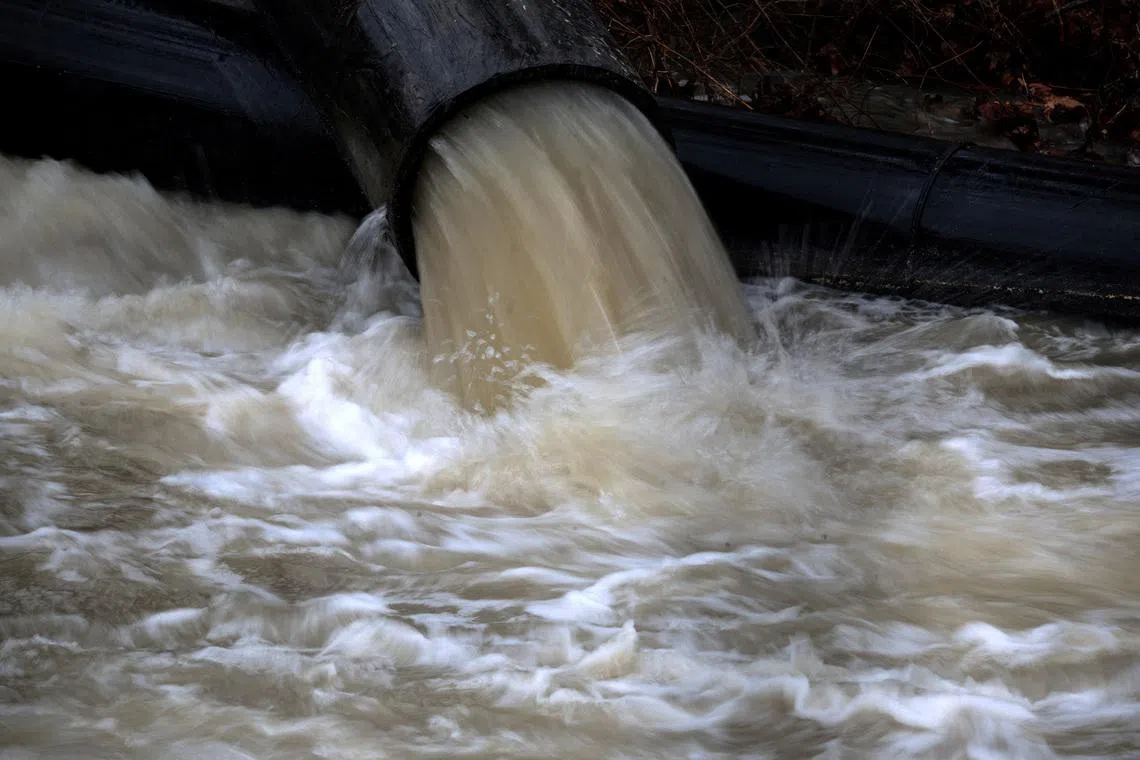
Other South-east Asian countries are moving in similar directions, although through different pathways shaped by their own economic, environmental and institutional contexts.
Thailand’s Eastern Economic Corridor has expanded industrial water reuse through closed-loop production systems and near-zero liquid discharge technologies, particularly within the manufacturing and petrochemical industries.
This is reducing dependence on freshwater resources.
Bangkok has also invested in nature-based infrastructure such as urban retention ponds and permeable pavements that address flood mitigation and storm water reuse.
As for Vietnam, the country has combined digital water management with circular resource recovery initiatives.
In Ho Chi Minh City, the Saigon Water Corporation has introduced Internet of Things-enabled smart metering systems, automated leak detection technologies and data-driven monitoring mechanisms to improve distribution efficiency and reduce water losses.
At the same time, wastewater-derived biogas systems are being used to convert sewage sludge into renewable energy, reducing greenhouse-gas emissions and offsetting energy requirements of treatment facilities.
These initiatives are occurring alongside mounting pressures in the Mekong Delta, where industrial pollution, upstream hydropower development and transboundary governance challenges are threatening freshwater systems and agricultural productivity.
Indonesia illustrates another dimension of the circular transition through the intersection of environmental rehabilitation and economic resilience.
The Citarum River revitalisation programme combines pollution control, watershed rehabilitation, institutional coordination and regulatory enforcement in an effort to restore one of South-east Asia’s most polluted river systems.
Indonesia has also expanded decentralised wastewater treatment systems in rapidly growing cities such as Jakarta and Surabaya, where modular treatment technologies and biofiltration systems support localised water reuse for irrigation and industrial purposes.
Malaysia has integrated circular water principles into both industrial and urban infrastructure development.
Eco-industrial parks such as Pasir Gudang promote collaborative wastewater recycling between industries to improve operational efficiency while reducing environmental impacts.
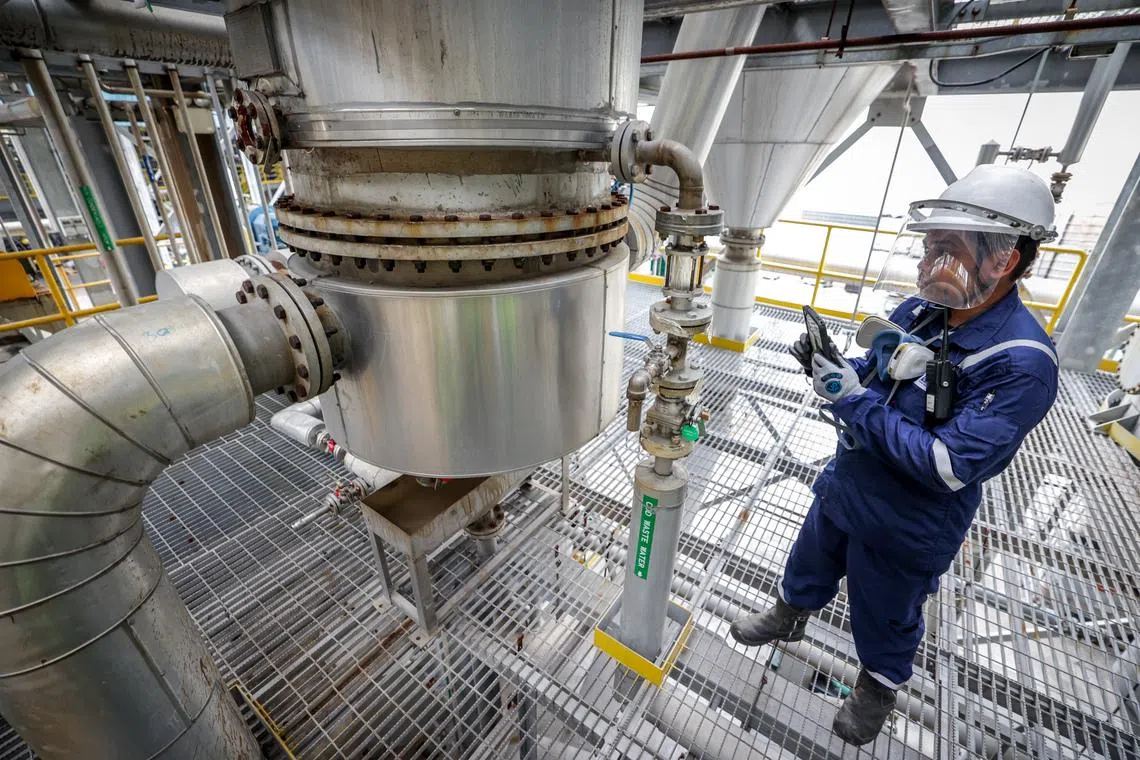
Kuala Lumpur’s Smart Tunnel demonstrates how multifunctional infrastructure can simultaneously support flood mitigation, storm water management and urban mobility through automated hydraulic control systems capable of diverting excess rainfall during extreme weather events.
Meanwhile, the Philippines has expanded wastewater treatment infrastructure through concession-based partnerships involving Manila Water and Maynilad Water Services, illustrating how public-private partnerships can mobilise investment in urban water systems.
Smaller-scale innovations are also emerging across the region, including solar-powered desalination systems in island communities and decentralised treatment models in areas where centralised wastewater infrastructure remains limited and uneconomic.
These approaches will become increasingly important for countries such as Laos, Cambodia and Myanmar as climate pressures intensify and infrastructure demands continue to grow.
A key pillar to economic growth
The financial dimension of this transition is becoming significant. Asean governments are introducing economic incentives designed to support investment in water efficiency and circular technologies.
Malaysia’s Green Technology Financing Scheme supports businesses investing in water-efficient systems, while Indonesia has implemented tax incentives to encourage industrial water recycling.
Green bonds, concessional financing, blended finance models and public-private partnerships are emerging as important instruments for financing climate-resilient water infrastructure across the region.
Despite these advances, major challenges remain. Fragmented governance structures, overlapping institutional mandates, inconsistent regulatory enforcement, and inadequate management and technical capacities continue to limit implementation in many Asean countries.
Public acceptance of reclaimed water also remains uneven outside Singapore, particularly where long-term public engagement and trust-building mechanisms are weak.
Moreover, many smaller municipalities continue to face severe financing and technical constraints that limit their ability to implement advanced circular systems.
In the coming decades, Asean nations will have to view water circularity as a critical pillar of economic resilience and long-term growth.
Countries that lead in water recycling, proper use of economic instruments, smart infrastructure, industrial reuse and climate-resilient systems would position themselves at the forefront of a new sustainability economy.
South-east Asia’s future growth story may therefore depend not only on how much freshwater it can access, but also on how intelligently it can manage the water it already has, with new and innovative mindsets.
Cecilia Tortajada is adjunct senior fellow at the S Rajaratnam School of International Studies, Nanyang Technological University, and honorary professor at the University of Glasgow. Asit K Biswas is the director of Water Management International.