The clock is ticking on the Fed’s leadership change
A Senate impasse, criminal probe and unusual political pressure mean the transition may not be clean or quick
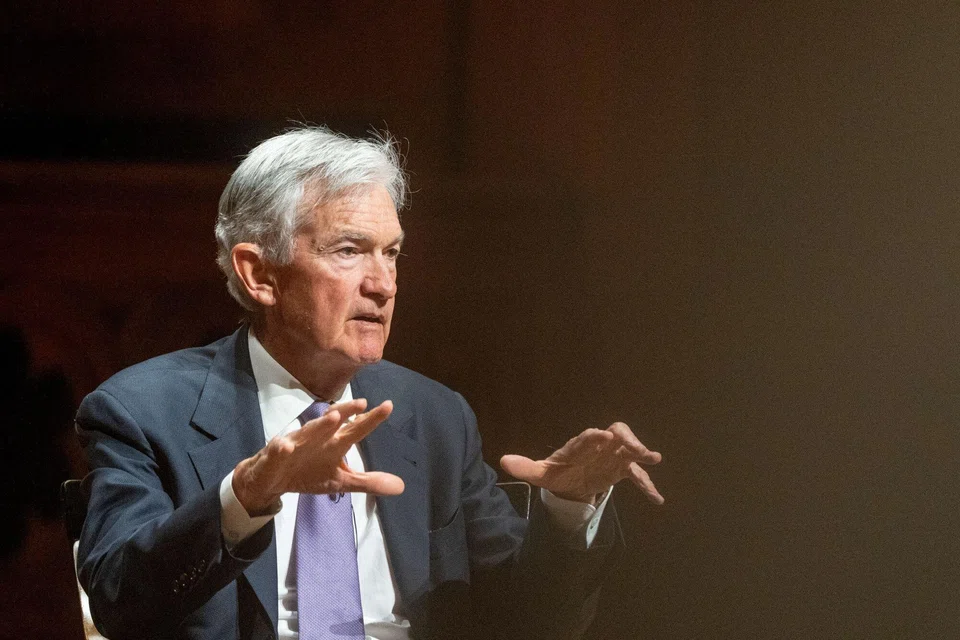
THE US Federal Reserve is bracing for a rocky leadership transition.
While the hard deadline for Jerome Powell’s chairmanship to end is May 15, 2026, his term as board member continues until January 2028.
Powell, who has led the Fed since 2018, has said he intends to remain as chair until his successor is confirmed, but he has not indicated whether he plans to remain as a Fed governor.
His likely successor, Kevin Warsh, a former Fed governor, was nominated by US President Donald Trump in January.
Warsh was on the board from 2006 to 2011, under then president George W Bush. In recent years, Warsh has been a sharp critic of the Fed’s direction, calling for “regime change” and arguing that the institution has drifted away from its core mission.
With Warsh’s nomination transmitted to the Senate on Mar 4, the confirmation process is technically set in motion, but his arrival is anything but guaranteed. Why?
The confirmation process is currently stalled at the Senate Banking Committee.
Senator Thom Tillis, a Republican from North Carolina and a member of the banking committee, has said that he will not vote to confirm Warsh until a Department of Justice investigation into Powell – regarding a US$2.5 billion headquarters renovation – is resolved.
Powell has dismissed the probe as politically motivated, to pressure the Fed into cutting interest rates faster than it otherwise would. Tillis, while calling Warsh an impressive candidate, has held firm.
The math matters here. Warsh is unlikely to get a vote by the full Senate if Tillis votes “no” in the banking committee.
There has been talk of a hearing on Warsh’s nomination happening in mid-April, but the Senate Banking Committee has not yet received the necessary financial disclosure paperwork from the White House.
The stakes are high. The timing of this transition matters well beyond Washington. The Federal Open Market Committee, which makes decisions on interest rates, will meet in March, late April and June. The current stalemate means that June might be the earliest a new chair could preside over a meeting.
Markets and everyday Americans pay close attention to the Fed because its interest-rate decisions ripple through mortgage rates, credit card costs, business borrowing and the broader economy.
Analysts broadly expect Warsh to push rates towards a “neutral” level, with most projections pointing to two quarter-point cuts in the second half of 2026.
The clock is ticking towards May 15, but the path ahead is unclear. A Senate impasse, unresolved legal questions and a backdrop of unusual political pressure on an institution that traditionally operates well away from partisan politics mean the transition may not be clean or quick.
Whether Warsh takes the reins on schedule – or whether the handover drags into the summer – will depend heavily on events in Washington that have little to do with monetary policy itself.
TRENDING NOW
Tokyo reverses baby bust with AI matchmaking and generous subsidies
In a super-aged Singapore society, we must learn to differentiate independence from dignity
Despite the de-dollarisation debate, demand for dollar liquidity in Asia is growing
China opens probes into four online travel booking platforms