

AI’s future at work looks more like OpenClaw than OpenAI
An eagerness to move faster will result in companies allocating excessive manpower to maintain systems
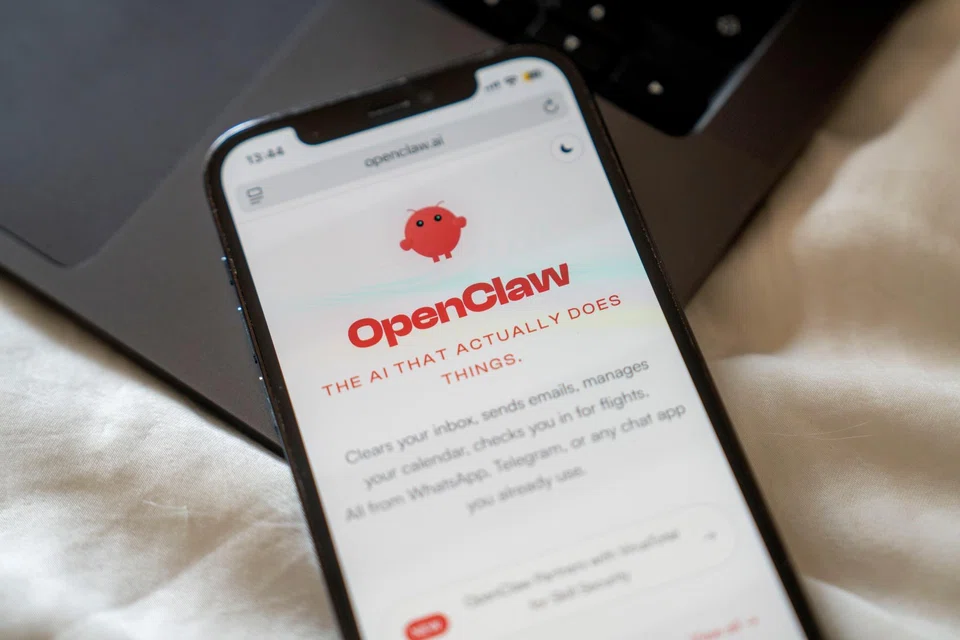
ACROSS the enterprise, people are scrambling to adopt every artificial intelligence tool they can get their hands on.
From boards and executives issuing top-down mandates to transform the way they operate, to individual knowledge workers racing not to be left behind, the global fervour around AI adoption has reached fever pitch.
Unlike previous cycles, its impact extends far beyond technical staff. Every worker who logs onto a computer is AI-curious. They are hearing about tools, such as OpenClaw, that can accelerate their impact and magically handle all their business needs.
For example, people are setting up 24/7 Telegram chatbots that push briefs before every work meeting, automatically triage emails, and generate market analysis on a regular cadence. These outcomes seem too good to be true, for good reason – they come with real risks that most workers aren’t really focused on.
Risks
What starts off as eagerness to move faster will result in companies allocating excessive manpower to maintain all these systems.
This will burden companies with extra costs in the form of headcount that could have been used for core business priorities. It will account for potential losses from data breaches that we’re just beginning to encounter.
For the average company, this means dozens of different home-grown, hacked-together AI solutions that will inevitably break. The resulting chaos will require an outsized effort from engineering teams to clean up the mess.
Meanwhile, security teams will have to scramble to ensure there haven’t been any data breaches and that proprietary company data is locked down. And if malicious actors succeed with breaches, these organisations will suffer significant financial consequences.
Even as companies around the world explicitly warn against using such tools because of security risks, many users are so eager to capture AI productivity gains that they are cobbling together a messy mix of tools on risky platforms such as OpenClaw.
From leaked data and internet-exposed internal systems to compromised Telegram bots, people are so seduced by the promise of AI that they are willing to give their chief information security officer (CISO) a heart attack in exchange for a marginal boost in effectiveness.
There is just one wrinkle: Research suggests AI is intensifying workdays, not easing them. Rather than lightening workloads, it is prompting people to volunteer for more tasks and take on extra assignments, often without being asked.
In construction, everyone wants things to be good, cheap and fast, but it is commonly accepted that you can only pick two. I’m here to tell you the same is true of AI infrastructure.
OpenClaw’s approachability has people convinced they can have all three. But their setups are a far cry from good, given the security concerns and fragile connections involved.
On the other hand, tying your company to a single major model provider secures your team, but at the cost of slowing them down and severely restricting what they can do.
While OpenAI and Anthropic will continue to launch step-change improvements, such as Managed Agents or Codex at a US$100 per month price point, they still fall short of delivering what people actually want and need to do their jobs.
This matters because the average knowledge worker will slowly gravitate away from ChatGPT and Claude out of both necessity and boredom. The AI titans are too focused on making their own ecosystem robust and too defensive to allow people to really connect all the tools they use to get their jobs done.
Bridging the gap
So, where do we go from here? Pandora’s box has been opened by every person, technical or not, hacking together what they think is the best AI assistant for their needs – often regardless of business risks.
Companies need to find tools that have the flexibility and access of OpenClaw with real enterprise guard rails and controlled, secure access to company data, credentials and tools their businesses rely on.
We are seeing every month that entire industries can shift or transform quickly as new AI tools enter the picture and workflow or sector-specific products launch. AI’s original promise is still in play: productivity, efficiency and security. To achieve all three, people need pathways to connect work and tooling across infrastructures.
The future belongs to the global companies that can bridge the gap between enterprise needs and the frontier edge of AI capabilities.
Trying to build that in-house with the right talent can waste years of a team’s time, but finding the right platforms and partners to work with is going to be the most important strategic decision that CISOs and chief technology officers will make this year. There is simply no alternative.
The writer is CEO and co-founder of Crafting, bringing enterprise-quality infrastructure to autonomous agents and engineers. He was previously an early engineering leader at Meta, Uber and Discord.
TRENDING NOW

If Europe goes to war, the fallout will be felt in East Asia

China’s market is tougher than ever. Where can Singapore firms still find room to grow?

Vietnam’s race for growth tests pace of energy transition: experts

Indonesia stocks suffer worst plunge in nearly 30 years as MSCI proposes standalone status

