

Epidemic preparedness: No template
WITH the World Health Organisation saying that the end of the Covid pandemic is within sight and most anti-pandemic measures globally having been terminated, it’s a good time to consider what has been learned from the experience and how well prepared the world might be if it has to face another epidemic in the near future.
One obvious outcome of the pandemic has been that the great majority of people no longer need to be convinced that catastrophic disease outbreaks are possible, that they can do great damage and that it’s not worth spending money on pandemic preparedness; despite the advice of scientific specialists, this was not the case before Covid-19 struck. There was neither the public awareness nor political will to prepare for something that seemed like a remote possibility – the stuff of film fiction.
Much has been learned about vaccine development, how the process of approval can be speeded up when necessary and how to ramp up production to deliver vaccines in massive quantities. When there is any further epidemic, this experience should prove its value.
One obvious lesson is that movement restrictions and isolation of those exposed to infection can slow down the rate at which an epidemic spreads, contain strains on medical services and buy time for the development of life-saving vaccines.
However, this is where experience with Covid-19 might not provide a ready model for responding to any new epidemic outbreak. Two years of lockdowns, mask wearing, restrictions on social contact and lost business left the public globally yearning for a return to a more normal life. As Covid-19 ebbed as a threat, there was increasing public discontent with the restrictions introduced to contain it. It seems very likely that, should another epidemic break out in the next decade or two, there will be considerable public resistance to the introduction of similar restrictive measures, at least until the gravity of the threat has been demonstrated, by which time considerable damage will have been done to containment efforts.
In view of this likelihood, international cooperation needs to be sought to achieve early containment in the initial outbreak area through a rapid response which, if it failed to eliminate a dangerous disease at source, could buy time to win public conviction for robust anti-pandemic measures elsewhere in the world.
A first step must be for all countries to commit to well-defined response procedures. First of all, that means flagging up notice of any apparently dangerous disease outbreak when one is detected and providing information on it as soon as it becomes available to governments and the relevant experts worldwide. Clear information should be provided to the public and updated in a timely fashion to check the spread of rumours and disinformation as far as possible. A local lockdown should be implemented without delay.
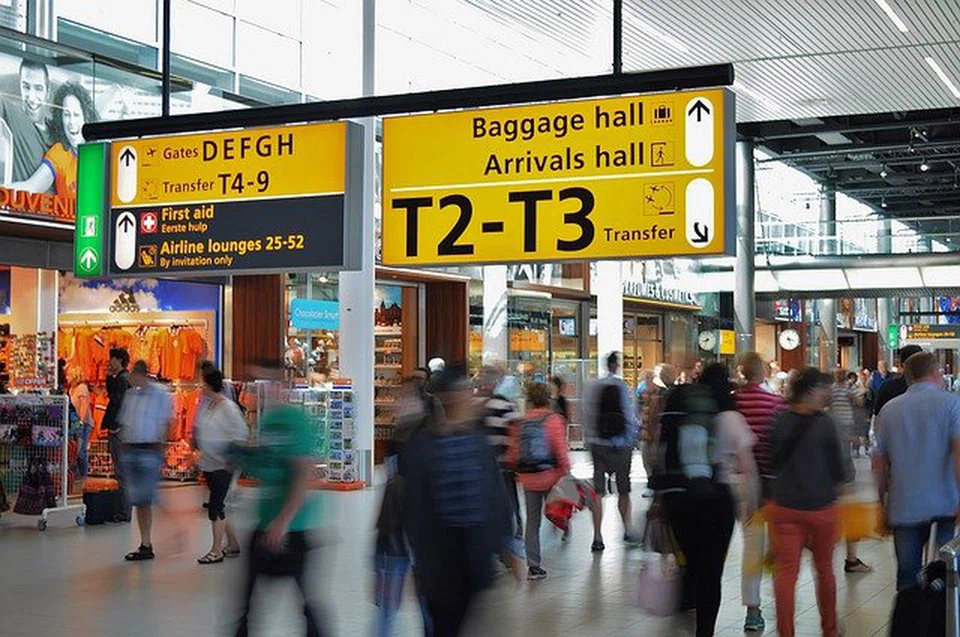
One error made early in the Covid-19 outbreak was the failure to freeze international travel from the outset. In the 14th century, the Black Death took three years to spread across the whole of Europe, but modern travel, particularly by air, can spread infection globally within three weeks. Covid-19 was introduced to South America by returning travellers, the first confirmed case being a man returning to Brazil from Italy. In the event of a new epidemic, international travel should be halted without delay, and journeys home as well as essential travel only be permitted through channels that allow for isolation in quarantine on departure and arrival. The mechanisms for this, including how the burden of supporting visitors and migrant employees remaining in place for extended periods of time can be shared equitably, should be worked out sooner rather than later, not in the midst of another outbreak.
Covid-19 strained health services close to breaking point even in many developed countries. Despite the best efforts of medical staff, treatment of non-life threatening conditions was deferred. Where medical services had already been under strain, the latter part of the outbreak saw a significant loss of medical staff who felt burnt out by their pandemic workload and looked for less stressful, better-paid work. Supporting expansion of medical services in the world’s poorer countries and restoring and increasing staffing levels elsewhere, including paying staff better, ought to be treated as a priority objective.
Medical personnel – the very people relied upon to look after those who become seriously ill during a pandemic – have a particularly high level of exposure to infection. That they should have priority when vaccines become available is generally accepted, but could more be done to relieve pressure on medical staff? Perhaps a body of volunteers, normally employed outside the health sector, could be given training that would enable them to serve as care auxiliaries in an emergency.
Thinking far ahead, it would make sense to consider how global policies on population and accommodation might be reframed to enable greater resilience in the face of the threat of future pandemics. Modern methods of farming that crowd together the same species of birds and animals and promote vast expanses of monoculture have proven vulnerable to devastating outbreaks of disease. It is only to be expected that something similar could happen periodically in a world of nearly 8 billion people, many of whom live, travel and work in crowded conditions.
John Gee is a Singapore-based freelance writer
TRENDING NOW

Once staunchly pro-China, Malaysian Chinese businesses are now distancing themselves from Beijing

Looking beyond looming CEO succession, should UOB potentially pursue a transformative merger?

Could stablecoins be the future of money?

Grab CEO’s wife Chloe Tong on life with Anthony Tan and finding her purpose

