

The Great Decoupling – ‘Chimerica’ no more
With the US move on Oct 7 to impose controls on exports of advanced chips to China, the two global powers are now well on the road towards a geoeconomic decoupling and geostrategic rivalry.
 Add BT as a preferred source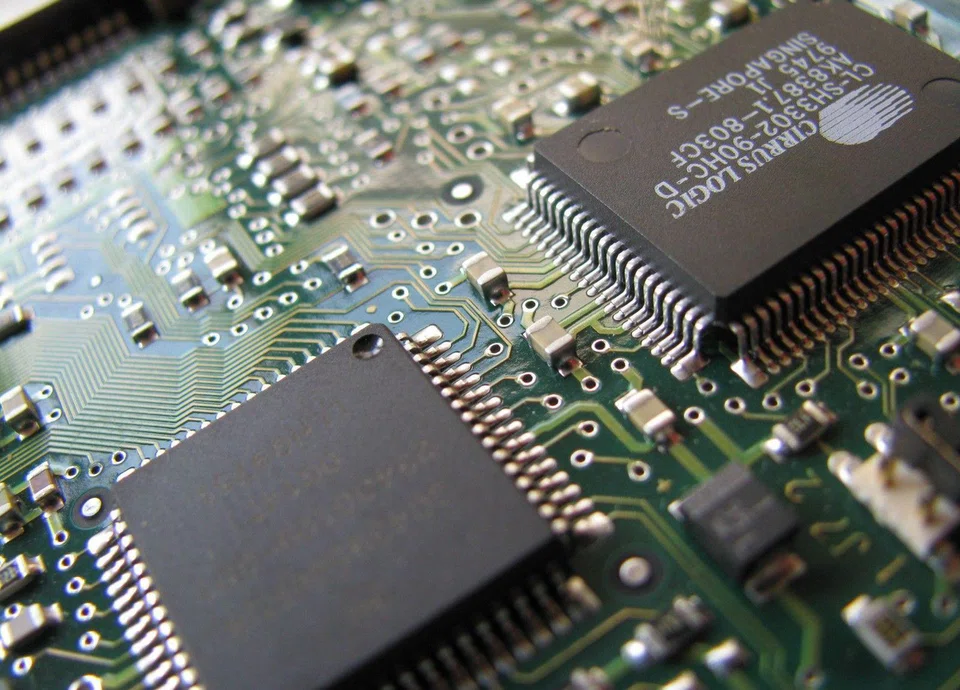
DeeperDive is a beta AI feature. Refer to full articles for the facts.
IN RECENT years, a number of foreign policy experts have held to the view that notwithstanding the rise of economic nationalism and the growing push against free trade and immigration, globalisation still remained alive and well and would survive the 2008 global financial crisis, the election of US President Donald Trump, Brexit, and the geoeconomic consequences of Covid-19.
Similarly, against the backdrop of growing economic and military tensions between China and the United States that seemed to produce political backlash in both Beijing and Washington against the notion of “engagement” between these two global powers, contrarian thinkers challenged the idea that we were moving in the direction of a new Cold War that would pit the two nations against each other.
Indeed, historian Niall Ferguson (who coined the term “Chimerica” to describe the relationship between America and China) argued that the two powers have evolved into one economy accounting for around 13 per cent of the world’s land surface, about one-third of its gross domestic product, and over half of the global economic growth during the heydays of globalisation. Hence, a divorce between these two powers could prove to be devastating in economic terms to both sides.
Decoding Asia newsletter: your guide to navigating Asia in a new global order. Sign up here to get Decoding Asia newsletter. Delivered to your inbox. Free.
Share with us your feedback on BT's products and services
TRENDING NOW
Vietnam formalises new state leadership, redefining ‘four pillars’ power balance

‘Largest Singapore commercial S-Reit proxy’: analysts say buy CICT shares after Paragon acquisition

From 1MDB to ‘corporate mafia’: Is Malaysia facing a new governance test?

Why where you park your joint venture matters: Lessons from a US$689 million shareholder dispute

