Vietnam’s tipple may strengthen social bonding but harm health
 Add BT as a preferred source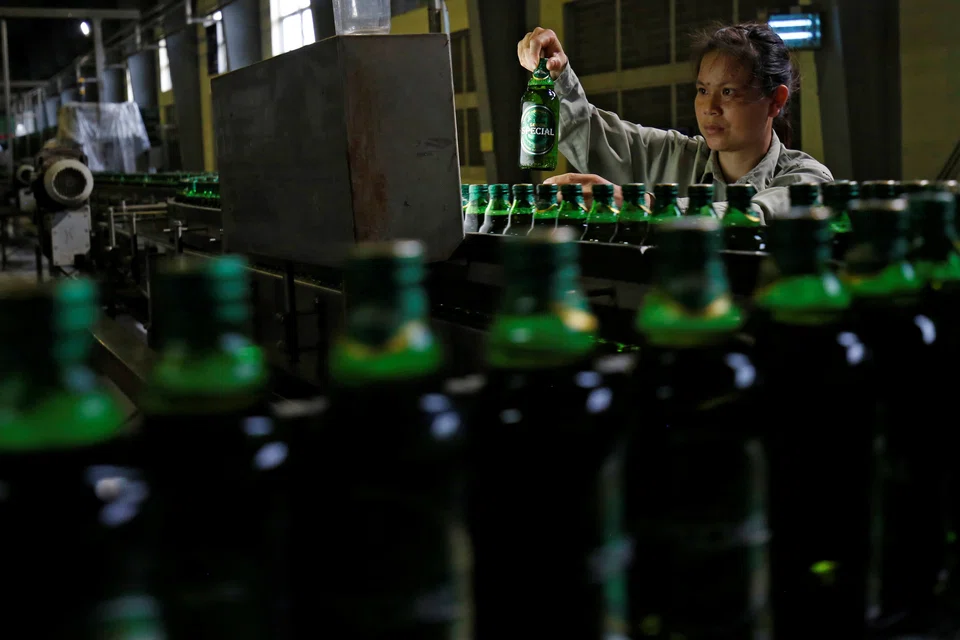
DeeperDive is a beta AI feature. Refer to full articles for the facts.
THE Vietnamese saying, “a man without spirits is like a flag without wind” (nam vo tuu nhu ky vo phong) celebrates the association of masculinity with drinking. It also signifies the emergence of a prosperous society that has become one of the biggest consumers of alcohol in the world.
The runaway consumption in Vietnam draws attention to the cultural tradition of drinking home-brewed wine as well as domestic and foreign distilled products in a post-communist state. Vietnam’s per capita consumption of pure alcohol among adults rose from 3.8 litres in 2003 to 2005 to 8.3 litres per capita in 2016, a decadal increase of more than 100 per cent, according to 2018 World Health Organization (WHO) data.
The Vietnamese rate of alcohol consumption is 14 per cent higher than the comparative WHO rate for the Western Pacific region of 7.3 litres of pure alcohol. Beer ranks as the most commonly consumed beverage in Vietnam, accounting for 91 per cent of the recorded alcohol consumption in the country, followed by spirits (8 per cent), according to an article by Santosh Kumar et al, “Alcohol Consumption among Adults in Vietnam”, published by the IZA Institute of Labor Economics in October 2021.
Decoding Asia newsletter: your guide to navigating Asia in a new global order. Sign up here to get Decoding Asia newsletter. Delivered to your inbox. Free.
Share with us your feedback on BT's products and services