Cut the coal in electric vehicle supply chains
The pollutive fossil fuel is powering the extraction of minerals needed for EV batteries, such as nickel

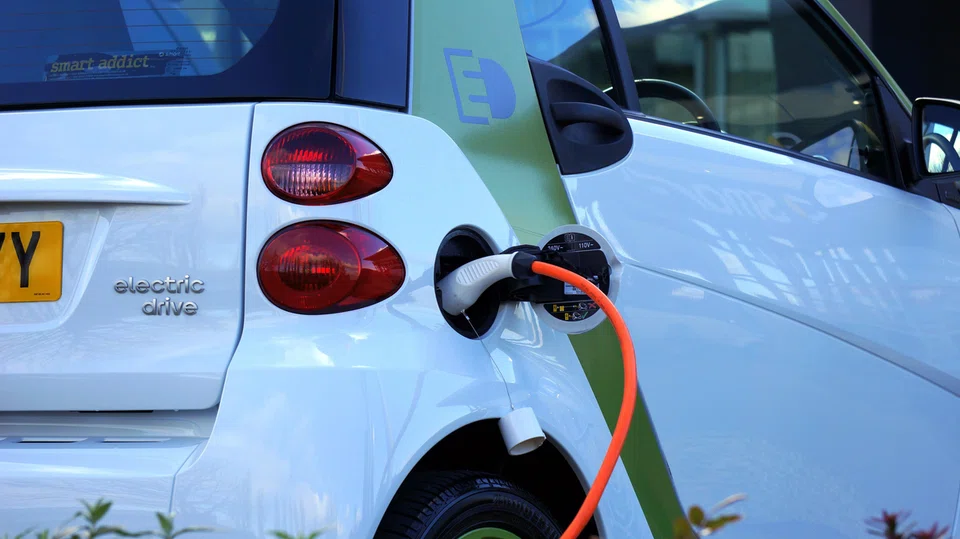
ELECTRIC vehicles (EVs) are a promising climate solution, with life-cycle emissions that can be 70 per cent lower than petrol and diesel-powered vehicles. But look under the hood of the EV supply chain and you’ll encounter a familiar climate villain: coal.
It is vital to ensure that coal does not smudge the sustainability of EVs – and indeed of other green technologies needed to fight climate change.
Coal has found its way into the EV supply chain via the extraction and processing of minerals – such as by fuelling the nickel industry in Indonesia. The silvery-white metal is needed to manufacture EV batteries. Indonesia is endowed with 21 million tonnes of nickel, accounting for almost a quarter of global reserves.
Indonesia has doubled down on its nickel ambitions. It banned exports of nickel ore in 2020, instead encouraging companies to process the metal onshore. The country produced 1.4 million tonnes of nickel in 2023 and is expected to produce almost 2.4 million tonnes by 2030, according to research provider BMI.
But the nickel boom has belied a rise in “captive” coal plants – off-grid plants that serve individual industrial facilities. Indonesia’s operating captive coal capacity grew nearly eight times from 2013 to 2023, from 1.4 gigawatts (GW) to 10.8 GW, according to a September 2023 report by the Centre for Research on Energy and Clean Air and Global Energy Monitor.
“Coal capacity additions have been outpacing renewables additions, despite Indonesia’s stated goal of peaking emissions by 2030,” the report noted, estimating that another 14.4 GW of captive coal capacity has been proposed or is in construction.
For its part, Indonesia has explained that its nickel miners and processors require “highly reliable, 24-hour power at a high volume”, and often operate in areas that are not within the on-grid system. Providing renewable energy to fuel such operations is thus challenging.
On the upside, Indonesia has indicated that it is committed to transitioning away from coal, for instance, stipulating that new captive coal plants must be retired by 2050. It also has a US$20 billion plan to finance its coal transition under the Just Energy Transition Partnership mechanism.
The country is hardly alone in its coal reliance. Global coal usage is expected to have hit a new high last year, with demand rising 1.4 per cent to soar past 8.5 billion tonnes for the first time, according to the International Energy Agency. Even more developed economies have yet to wean off coal, driven by fears about energy security, the high costs of renewable energy, and geopolitics.
But the need to move away from coal remains compelling. The fossil fuel accounted for about 44 per cent of global emissions from fuel combustion in 2021 – more than oil (32 per cent) and natural gas (22 per cent). It is also pollutive, contributing to acid rain and respiratory illnesses.
It is critical to ensure that coal is at most a passing feature, and not a mainstay of EV supply chains. This will mean that producer countries such as Indonesia need to expand renewable energy capacity meaningfully. Developed countries and sustainable investors will have to play their part too in financing this development.
Ultimately, coal should be cut from EV supply chains. It would be too great an irony for a climate solution to be intertwined with pollutive fuel.