

The dumb choices that make smart glasses so appealing
Wearable tech will wear us all down by design
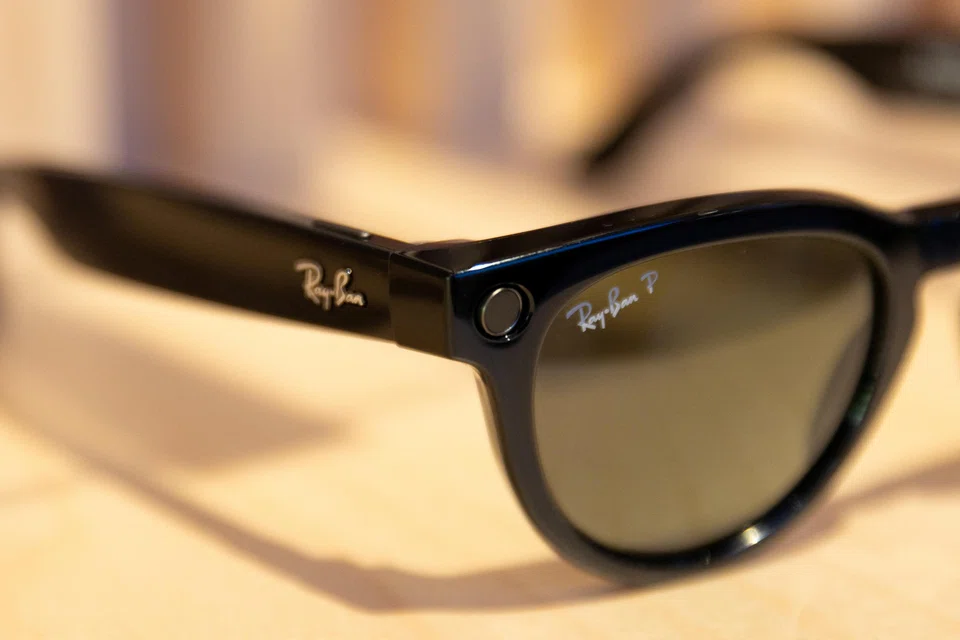

EARLIER this year, I had admitted how, after years of railing against smart glasses, I was ready to capitulate and buy a pair.
They finally seemed more useful than they were invasive, and if you cannot beat a technology, you might as well plonk it on your face.
And wouldn’t you know it, Meta – which develops Ray-Ban and Oakley smart glasses – almost gave me a reason to take the leap this month.
According to Wired, the tech giant had, as early as January, begun adding facial-recognition code to a Meta artificial intelligence companion app that has been downloaded more than 50 million times.
This feature was designed to identify somebody captured by the glasses’ camera, and inform the wearer if it recognised a person based on “faceprints” stored on the user’s phone.
Meta yanked the code off the app after Wired broke the story. The tech company said that the dormant feature had been “purely exploratory”, and that it was “not building a central face database”.
This is a crying shame, because as someone who is somewhat faceblind, I want – no, need – a central face database. My brain is no longer up to the task, now crammed with some 40 years’ worth of pointless flotsam, such as the full lyrics to Lemon Tree.
I had genuinely been looking forward to outsourcing the social cognitive load that has grown more crushing every year.
Beyond putting names to faces, the steel-and-glass tattletale perched on my nose would, I’d imagined, remind me if an acquaintance has young children or just a very old cat, for instance.
Or, in higher-stakes interactions, it would flash a warning: “Subject’s affectionate dining partner looks nothing like his wife.”
Imagine the possibilities! A “micro-expression detection” feature alerting you that your conversation partner is secretly simmering with rage, bored out of their mind or lying to your face; celebrities everywhere living in dread of the “plastic surgery probability scan” software update.
But fascinating as these bionic-adjacent powers sound, I am not particularly keen to have a social surveillance tool colonise yet more parts of my mind and body.
Based on internal Meta documents seen by The New York Times, the company had considered launching the facial recognition feature during a “dynamic political environment”, betting that civil society groups would have their hands full with other concerns.
In any case, it is not just civil society groups that have been too distracted to oppose Big Tech.
All of us have been living in a “dynamic political environment” for what feels like forever, our cognitive stamina growing increasingly brittle while attention spans fragment across the Strait of Hormuz as it opens and closes, opens and closes.
This suits the tech industry just fine. It has long banked on camouflaging each marginal technological incursion as an antidote to modern burnout, even as these very incursions compound our fatigue.
Ideally, I should rage against the machine and “people” the hard way – really listen when someone talks about their children or cats, and commit these details to memory. But I have all these Instagram Reels that I would rather be watching.
TRENDING NOW

Could stablecoins be the future of money?

Once staunchly pro-China, Malaysian Chinese businesses are now distancing themselves from Beijing

Global expertise and tailored solutions: How affluent S’poreans can grow and manage wealth across markets

GIC-backed Bank Jago sees wealth management as next growth engine as Indonesian investor base grows

