

En bloc sales of old condos: Offer affected owners ABSD concessions when buying replacement homes
Lower consent thresholds can help in ageing developments’ collective sales, but owners may need more sweeteners

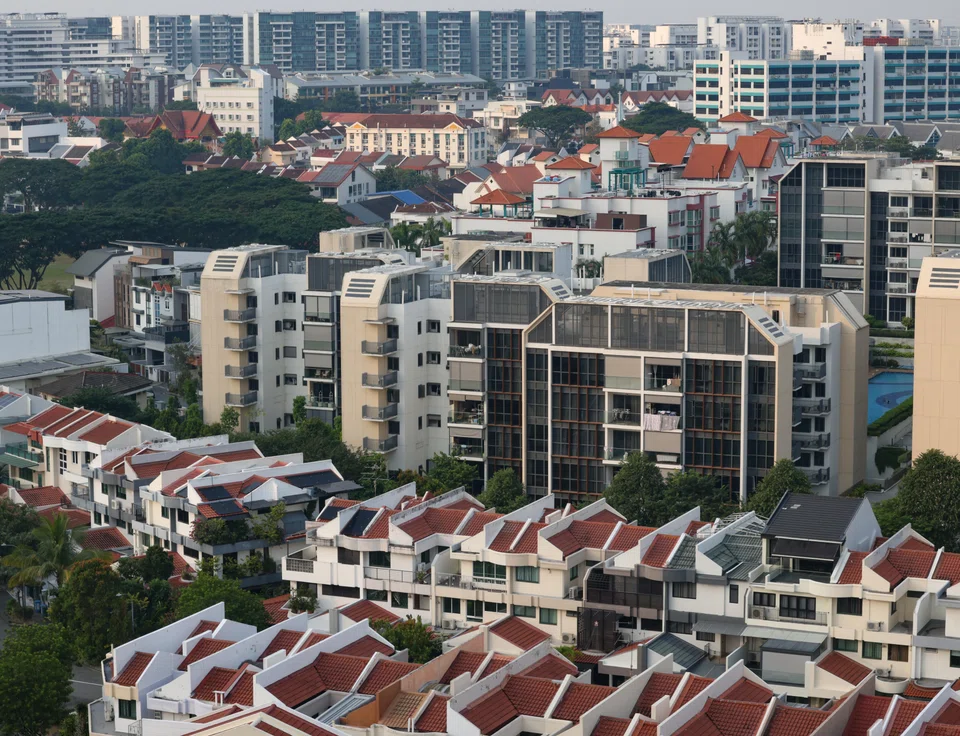
[SINGAPORE] Given Singapore’s land scarcity, urban renewal is “not merely desirable, but really imperative”, Minister for Law Edwin Tong told Parliament on Sep 8.
With various changes to the Land Titles (Strata) Act passed in Parliament that day, owners of older property developments face lower consent thresholds for en bloc sales to encourage the building of newer developments to replace ageing ones.
Developments aged 40 to 59 years will require 70 per cent consent for a collective sale, while those aged 60 years and up will need 65 per cent.
The consent thresholds will remain at 90 per cent for developments less than 10 years old, and 80 per cent for those aged 10 to 39 years.
Rising upkeep costs
As a building ages, the costs required to keep it in good condition could rise.
For example, cracking and spalling of concrete might become more frequent, and structural repairs could become more extensive.
Major building components also have their own life-cycle costs. For one, substantial capital outlay may be needed to modernise or replace lift shafts.
In short, strata owners of ageing buildings almost invariably face the growing burden of maintenance fees and sinking-fund contributions. And at some stage, continued investment in the upkeep yields diminishing returns.
Thus, many strata owners of old property developments will likely welcome lower consent thresholds as these make an exit via an en bloc sale easier.
The bigger picture is that Singapore gains when developers buy old properties en bloc to redevelop them.
Redevelopment works generate economic activity and the new developments that emerge typically serve users’ needs more productively. An old condominium which is sold en bloc may yield many more homes, as well as units that better meet modern lifestyle needs, after redevelopment.
Obstacles to en bloc sales of old condos
However, might the lower approval thresholds for en bloc sales of old developments draw a more positive response from non-residential developments as opposed to residential ones?
Today, about one in 20 non-landed private residential units are aged 40 years or older, or around 20,000 homes in close to 250 developments. And this number will only grow.
Nonetheless, while owners of units in old condos will grapple with whether it remains feasible or sustainable to invest in the maintenance and upkeep of their property, many might have sound reasons to resist en bloc sale efforts.
One, some elderly homeowners may not want to move house, especially if said owners are in frail health.
Typically, a developer who acquires an en bloc housing site offers affected owners way less help in rehousing compared with what the Housing & Development Board provides to owners of public flats who undergo the Selective En bloc Redevelopment Scheme, or Sers.
Two, the additional buyer’s stamp duty (ABSD) regime could pose a major stumbling block to owners of units that are sold en bloc who seek to buy a replacement home. ABSD does not apply to non-residential properties.
While ABSD does not apply to a Singapore citizen buying a first home, a citizen pays 20 per cent ABSD for buying a second home and 30 per cent ABSD for purchasing a third and subsequent home.
The ABSD rates applicable to a permanent resident (PR) are: 5 per cent for a first home, 30 per cent for a second home and 35 per cent for a third and subsequent home.
A non-PR foreigner buying any home is subject to 60 per cent ABSD.
Take a Singapore citizen who owns a large old flat for owner-occupation and another smaller investment home. If the owner-occupied flat is sold en bloc, the said individual has to pay 20 per cent ABSD to buy a replacement home.
For a non-PR foreigner, buying a replacement home after selling his Singapore residential unit en-bloc would mean incurring 60 per cent ABSD.
On reflection, while lower consent thresholds for the en bloc sales of ageing developments raise the chances of successful collective sales of old non-landed residential properties, owners of ageing condos and apartments may need more sweeteners to support such a sale.
For one, collective sales committees of old non-landed residential developments might need to work harder and more creatively with prospective buyers to help rehouse affected owners.
Can more help be extended to an elderly homeowner in finding a suitable replacement home and moving house?
ABSD concessions
Importantly, to speed up the pace of urban renewal via more en bloc sales and redevelopment of old non-landed residential developments, could tax concessions be given to owners affected by an en bloc sale when buying replacement homes?
Perhaps, for owners of housing developments that are 40 years and older who sell their home in an en bloc sale, apply ABSD of 6 per cent for a citizen buying a second home, 8 per cent for a PR buying a second home and 12 per cent for a non-PR foreigner purchasing a first home.
Also, apply these lower ABSD rates only when an affected owner buys his replacement home within, say, a year of completing the said en bloc sale.
With the existing ABSD regime, a citizen buying a first home enjoys clear priority over others, such as locals buying multiple homes and foreigners. Also, the ABSD regime helps reduce speculation in the housing market.
Still, as urban renewal is vital, making ABSD less of a hurdle to strata owners of old non-landed housing developments when buying replacement homes can make such owners more receptive to a possible en bloc sale. And this could, in turn, speed up the pace of en bloc sales and redevelopment of old condos and apartments.
Making Singapore great for living, working and playing requires constant effort. Doing this well improves the quality of life for residents and the city-state’s attractiveness to businesses as well as visitors.
Redeveloping old buildings supports urban renewal. Ultimately, supplementing lower consent thresholds for en bloc sales of old non-landed housing developments while offering affected owners ABSD concessions when buying replacement units can facilitate more collective sales and redevelopment of old condos and apartments.
TRENDING NOW
Far East Organization’s The Serra Residences sells less than a quarter of units released at average S$3,460 psf

Thailand targets US$417 million of land in foreign buyer crackdown
Ageing in Asia: Huge potential for the consumer economy

Sinar Mas’ APP says most fires began outside 3 supplier concessions amid Singapore haze scrutiny

