Epic yen rally is a lesson in the lost art of FX intervention
While frowned upon as routine practice, intervention is a tool that authorities discard at their peril
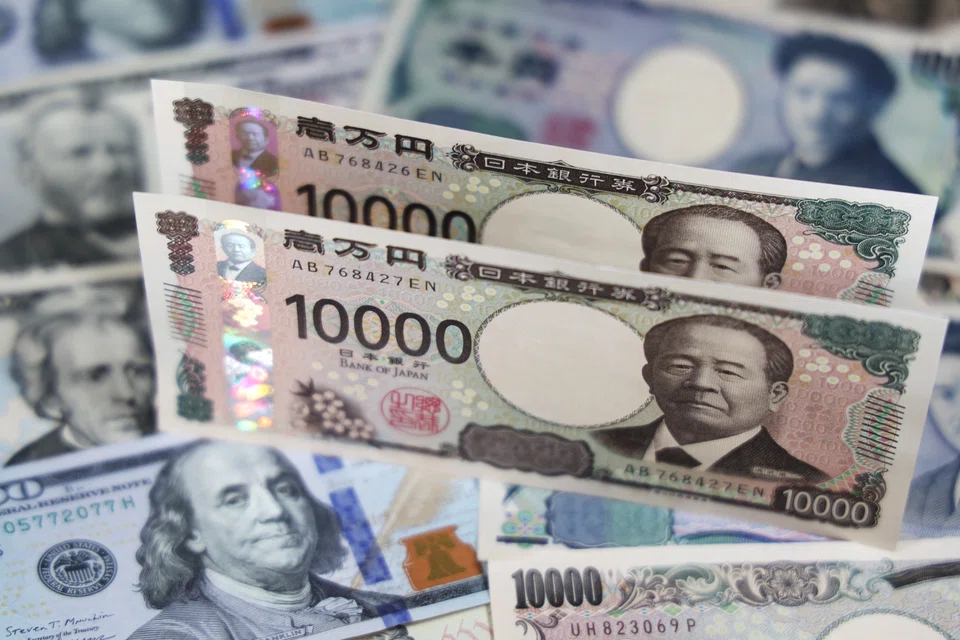
JAPAN’S currency is enjoying an epic rally, heading for the biggest quarterly advance in years. That is quite a shift from a few months ago, when yen bulls were few and far between. Who can claim credit for this turnaround?
Looming interest-rate cuts by the Federal Reserve and a new hawkishness on the part of the Bank of Japan (BOJ) can make a claim to paternity. The difference in borrowing costs was the biggest driver of yen weakness, so the prospect of that gap narrowing is huge.
One player, however, is not getting sufficient credit – and that is the one with the most at stake: Japan itself. On several occasions, the government waded into the market and purchased its own currency.
Alone, this would not have sparked massive appreciation – the yen is up more than 10 per cent against the US dollar since early July. But the official action did lay down markers. (While the BOJ sets rates, the Ministry of Finance calls the shots on currency policy.)
The experience reminds us that, while frowned upon as routine practice, intervention is a tool that authorities discard at their peril. Like quantitative easing, it is handy to have around. In the years after the demise of fixed exchange rates in the early 1970s, state meddling was common.
While Japan was by no means the only nation, Tokyo continued the practice longer than many. The top international official at the Ministry of Finance, Eisuke Sakakibara, earned the nickname “Mr Yen”. Japan was active around the turn of the century before scaling back.
Conventional wisdom on foreign exchange (FX) trading desks could use this as an instructive moment. When I ran Bloomberg’s FX news in London in the early 2000s, the mantra was that “intervention never works”. I could not figure out why this was such an article of faith. Perhaps it reflected memories of the Asian financial crisis, when artificially high valuations collapsed.
Prolonged trauma from the Bank of England’s defeat at the hands of George Soros probably also played a role. And besides, ran the reasoning, markets are vastly bigger than governments. Daily FX turnover has swollen to US$7.5 trillion a day, according to the Bank for International Settlements.
Surely success or failure depends on the objective. Shielding a specific level is one thing. Cushioning sharp moves and, sometimes, nudging the psychology of the market is another. Make investors understand that at some point, there will be resistance.
Laudable tactics
Japan “set the floor on the yen this summer”, Brad Setser, a senior fellow at the Council on Foreign Relations who is an expert on capital flows, wrote in the Financial Times last month. “Theories about the general ineffectiveness of intervention need to be updated.”
Japan’s tactics were laudable. Officials were loathe to identify an actual point at which they would join the fray. There was a general idea, but nothing that traders could take to the bank. In practice, around 160 yen per US dollar was a key threshold.
In late April, Japan’s Ministry of Finance took the opportunity on a public holiday, when liquidity was thin, to pounce, and the yen’s jump was notable.
Another instance of sharp yen gains that had official fingerprints occurred on the evening of Jul 12 after the release of weaker-than-expected US inflation data. Those numbers triggered a general US dollar decline. By waiting until the direction was favourable and giving an extra push, the government achieved a good result.
Two other things stand out. The first is that this year, policymakers did not hold press conferences or make statements after acting. You had to wait for monthly Ministry of Finance accounts to be published. An element of mystery is important. That was a shift from late 2022 when the government announced its move.
Second, the ministry waited for speculation to become excessive; leveraged funds had made historic wagers on a yen decline, said the US Commodity Futures Trading Commission. Noted Stefan Angrick, senior economist at Moody’s Analytics in Tokyo: “Things were getting a little bit silly, trading was one-sided.”
It also matters that Japan has considerable firepower: about US$1.2 trillion in reserves. And in the absence of a Fed pivot, things could have turned out differently. Had BOJ governor Kazuo Ueda not flagged additional hikes, the yen might still be in big trouble. If Ueda does not deliver, the wobbles may well return.
The bureaucrat who had sat in Sakakibara’s old chair for the past few years, Masato Kanda, stepped down at the end of July. On Tuesday (Sep 10), he was nominated to be the next president of the Asian Development Bank. As his plane heads towards Manila, Kanda can sit back and reflect on an important page in currency history.