THINKING ALOUD

In the EV race, Japan’s most dangerous rival could be closer to home than China

Chinese carmakers may have pulled ahead in tech and value, but something else is holding the Japanese back
Summarise
    • Toyota may be the world's biggest car company by volume, but it has hardly set the world of EVs alight, mainly because it has continued to bet heavily on hybrids such as the Vellfire Hybrid.
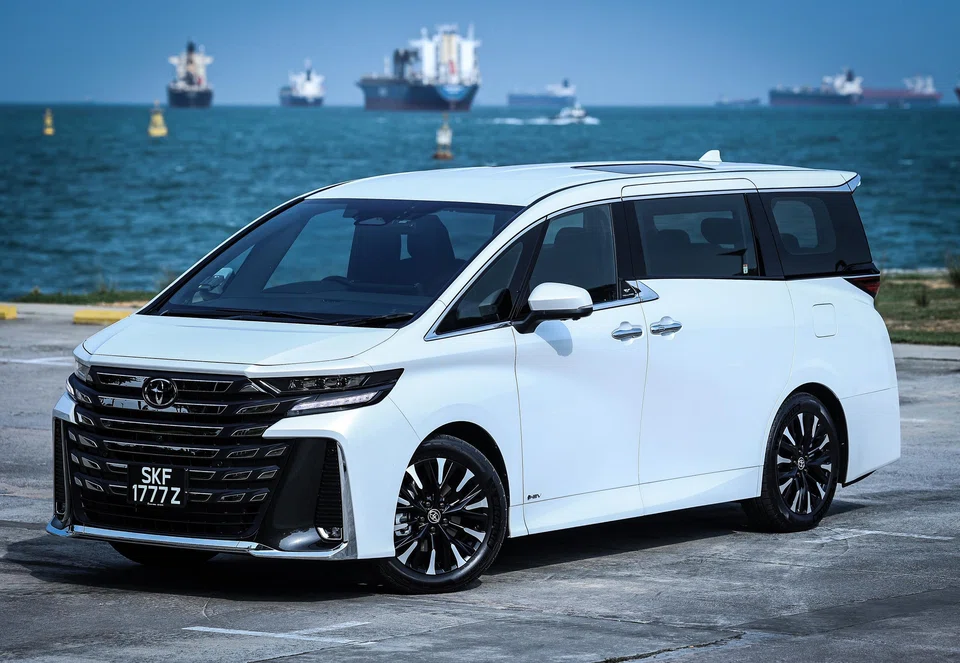
    • Toyota may be the world's biggest car company by volume, but it has hardly set the world of EVs alight, mainly because it has continued to bet heavily on hybrids such as the Vellfire Hybrid. PHOTO: BT FILE
    Published Wed, May 27, 2026 · 07:30 AM

    LAST year, I had a friendly argument with senior management from Zeekr, a Chinese carmaker that has an unusually clear idea of what it wants its cars to be – namely, more luxurious than Teslas and more high-tech than Mercedes-Benzes.

    I suggested that when it comes to electric vehicles (EVs), the Chinese have opened up a formidable technology gap over the rest of the automotive world, but legacy brands have built up a heritage gap. The older brands are woven into the very fabric of our lives.

    Surely these players can close the technology gap long before the likes of Zeekr can close the heritage gap, I asked?


    A murmur went through the room, but the Zeekr team’s reply was confident to the point of being dismissive.

    What customers care about, ran the gist of their argument, is the value gap that the Chinese have over everyone else. For less money, they offer more than any legacy player in terms of range, features, performance, or anything you care to name.

    It was a good rejoinder. It is, after all, the reason you can get the magically self-propelled doors of a Rolls-Royce on a Zeekr 7X for a tenth of the money.

    That exchange came to mind last Thursday (May 21) at Toyota’s Connected In Mobility showcase at Marina Bay Sands.

    There, the brand showed two EVs that, when they go on sale in the second half of the year, will treble the number of electric cars that it offers here.

    Subaru has two EVs of its own (built on tech shared with Toyota), and Suzuki and Honda will soon have one each. At this time last year, the number of EV models they collectively offered here was precisely zero.

    Japanese car companies, at long last, now look serious about electric cars.

    It is about time. Toyota may still be the world’s biggest car company by volume, but it has hardly set the world of EVs alight, chiefly because it continued to bet heavily on hybrids while BYD and other Chinese upstarts went all-in on pure electric cars.

    What is more, not only can you not get magic doors on Toyotas, you can hardly get features that were not already available 10 years ago.

    But the latest EVs from Japan look much more competitive in terms of range, performance, charging speed and price than ever before.

    To be sure, there remain both technology and value gaps with the Chinese, but at least things are moving in the right direction.

    However, the Japanese have yet to show the adaptability that carmakers need to navigate a changing world.

    Subaru’s E-Outback, for example, is an excellent EV, but its twin-motor setup attracts S$4,712 a year in road tax.

    Losing one motor would halve that tax bill and, in my estimation, quadruple its sales or more.

    But it would also make it less exciting to drive, and insiders say that pride – often stubbornness by another name – will not permit Subaru to make that tweak.

    Such folly is especially costly in the brutal realities of today’s car industry, and it highlights that the beleaguered Japanese ought to be as wary of a foe every bit as troublesome as the Chinese – themselves.