Even hardcore nationalists would have no appetite for taking foreign food off the menu
Nationalism seems to be on the rise – but a thought experiment shows how absurd its underpinnings are
ACROSS the world, there seems to have been an upsurge in nationalism: from Donald Trump’s enduring “Make America Great Again” slogan, to Brexit, to India’s renaming of cities to remove colonial or Muslim names, to China considering a ban on foreign ways that “hurt the feelings of the Chinese people”.
What if we take this idea – exalting what is considered authentically indigenous and purging that of foreign origin – to its logical extreme?
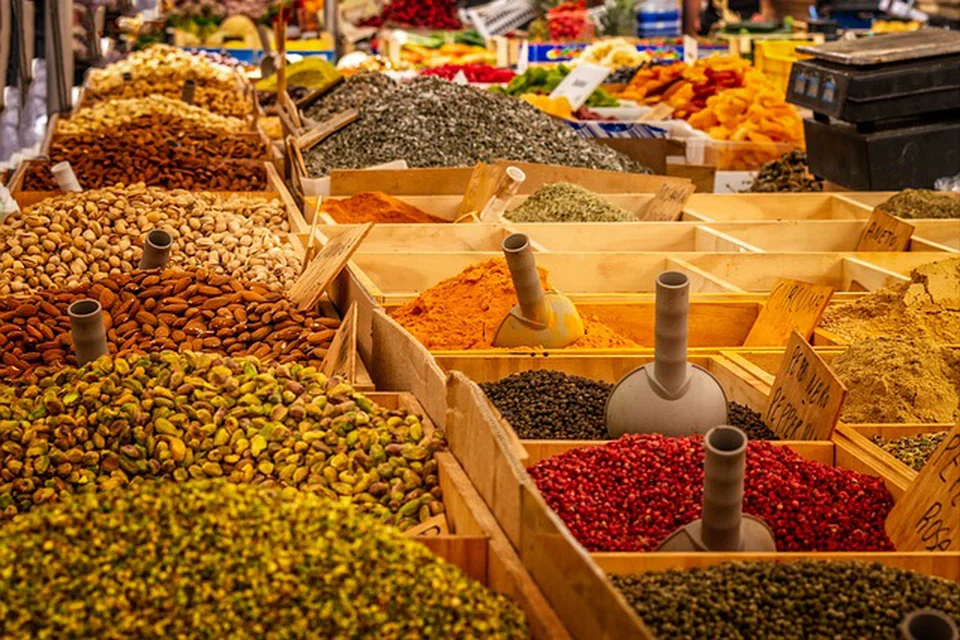
Imagine if every country and every people could return to an authentic national diet, with all ingredients of foreign origin determinedly ousted from shops and kitchens.
Asia, Africa, Australasia and Europe would need to give up anything that originated in the Americas: potatoes, peppers, tomatoes, corn, avocados, pineapples, Brazil nuts, peanuts, cashew nuts, chocolate and turkey.
People in the Americas and Australia could say goodbye to pork, beef, lamb, chicken, rice, olives, apples and oranges, as well as coffee, tea, sugar and prepared food such as pasta.
Some widely-eaten foods come from fairly restricted origins.
Singaporeans might count chicken as a local food, given that chickens originated as jungle fowl in South-east Asia – but most of the world would have to give these up, along with the abundant supply of eggs they produce.
And so the list goes on. Coffee bushes came from northern Ethiopia and Yemen, and coffee drinking originated in the latter. Tea-drinking originated in China, where rice was also first domesticated.
Onions came from the region of modern Iran and Pakistan; garlic probably came from south-west Asia too. Consider the spice trade: pepper from south-west India, nutmeg and cloves from Indonesia’s Banda and Maluku islands respectively.
Then there are all those alcoholic drinks and cheeses with very localised origins: all should be put into their place and kept there!
Meals would change radically; ingredients that people worldwide take for granted in their daily diet would vanish from their tables.
Were such a wholesale rejection of “foreign” dietary elements to be seriously advocated by any nationalist group, it would clearly be met with both condemnation and ridicule.
“Authentic” national cuisines purged of all ingredients of foreign origin – whether recent or historic – would be much less appetising.
Unthinkable world
Likewise, societies purged of cultural influences – or indeed, people – outside the majority nationality or religion are less interesting places to live, as well as less creative and imaginative than open and inclusive ones.
Modern politicians who appeal to nationalism play on the idea of national identity as being something unchanging and eternal. But it never has been.
Any serious and objective examination of a modern country’s history will reveal how it has adopted customs, art forms, clothing and technologies from other peoples, or at least adapted them.
The modern world of trade, covering all manner of goods, would be unthinkable if every country insisted upon maintaining all assumed constituents of established national identity.
As with food, so with everything else: human beings have been learners and adapters, keeping what they most value in their existing cultures while embracing anything useful or enjoyable that they encounter from elsewhere. This may not always have been wise, as in the case of tobacco – but in general, it has been enormously beneficial.
This needs to be asserted in the face of destructive nationalist forces that appeal to a false sense of unchanging national identity and a rigid division between “us” and “them”.
The writer is a Singapore-based freelance writer