

A new wave of private members clubs

Paige Lim
WHILE established clubs strive to stay relevant, new private members clubs are testing the waters – though not all have endured.
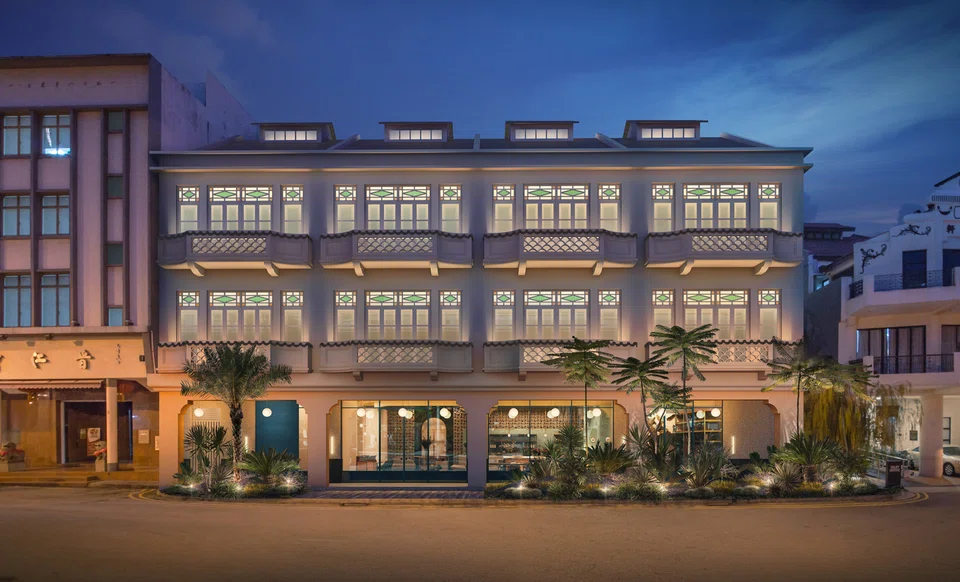
Members-only business club Madison Rooms opened at Coleman Street in 2016 but went into liquidation in 2019. The Lo & Behold Group’s Straits Clan at Bukit Pasoh opened in 2018, but was sold to The Mandala Group last year, reopening as the Mandala Club in November.
Mandala Club has seen membership rise by an average of 10 per cent month-on-month, to over 2,000 members now, said Ben Jones, the club’s co-founder and chief executive (CEO).
“The new generation is looking for a diverse mix of offerings, balancing work and play, intimate gatherings with extensive networking opportunities as well as dynamic programming as they make the club their second home,” he said.
Mandala Club plans to go beyond its current culinary residencies with new experiences and revenue streams, such as bringing in overseas art, music and fashion talent for events, pop-ups and concerts.
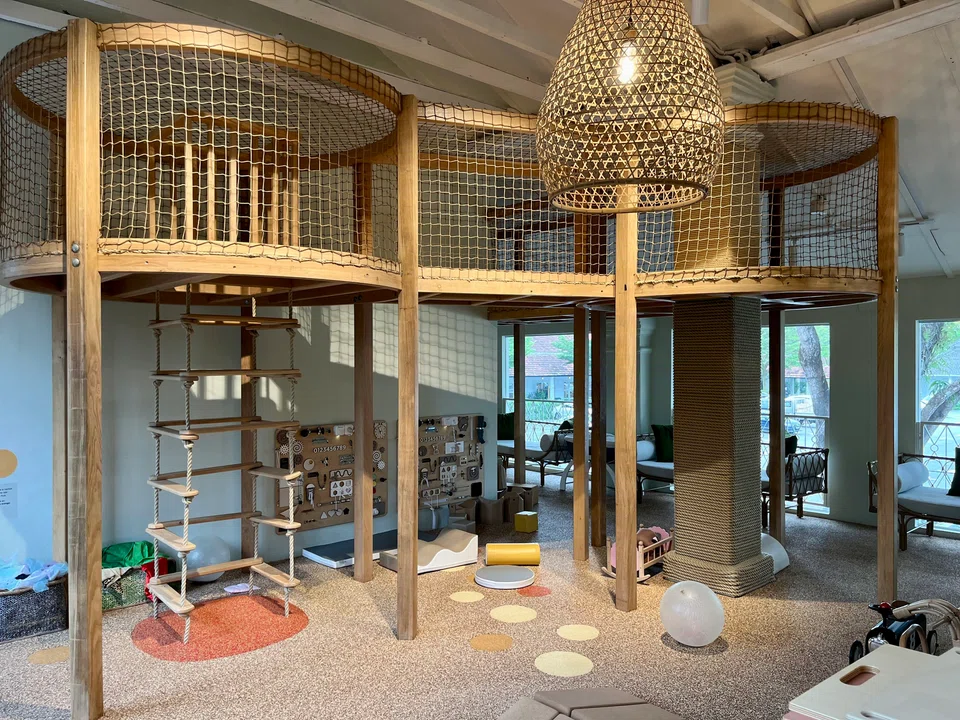
London-originating family club Maggie & Rose came to Singapore in early 2019 but closed within a year. Its Dempsey Hill site now houses another London family club, b_together, which opened on Jul 1 with facilities such as indoor and outdoor play spaces, a library, a workspace and specialised class areas.
Over 130 families have booked preview tours of the club, said founder Maggie Bolger, who also founded Maggie & Rose but has since exited the group. b_together has received a “very good response” in terms of sign-ups so far, with a local to expatriate ratio of 50:50, she added.
Said Bolger: “The twists and turns of parenthood can be lonely despite its busyness, and if anything, the need for social connection has greatly increased since the pandemic.”
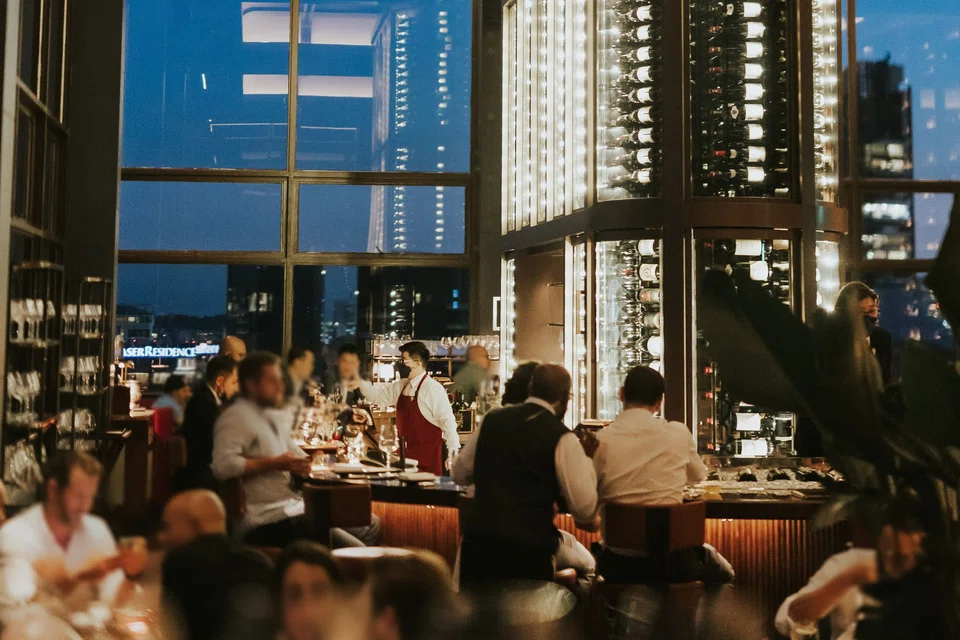
One of the latest entrants is London-originating wine club 67 Pall Mall, which opened at Shaw Centre this March.
Profits from its first month of operations “surpassed expectations”, said Grant Ashton, the club’s founder and CEO. The club has 2,350 members, and a waiting list of over 350 individuals.
The growth of such clubs has been driven by increased mobility and flexibility in a post-pandemic climate, said Ashton: “People use these clubs throughout the day – they’ll work there, socialise there, eat there, and use them as an extension of their life.”
TRENDING NOW

Companies still in search of AI use cases with worthwhile ROI, says Broadcom’s CEO

Malaysian king buys stake in Singapore-listed mining firm expanding into rare earths

Once staunchly pro-China, Malaysian Chinese businesses are now distancing themselves from Beijing

Singapore’s wealth management success should extend to everyday families

