Finally, there’s more money than fools in China
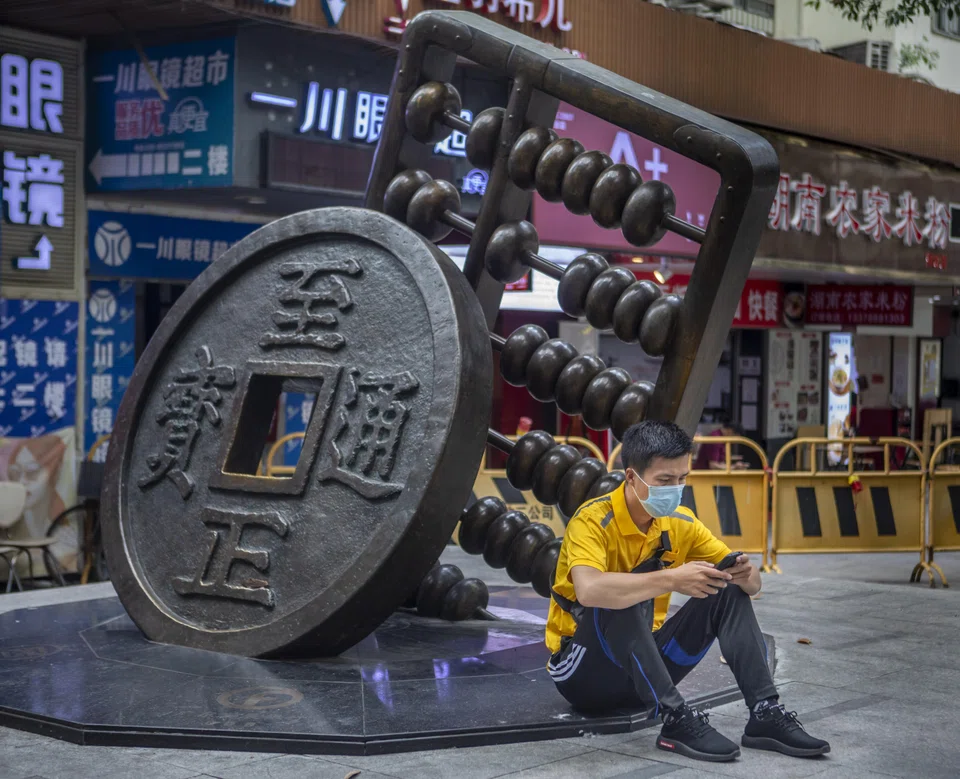
FOR years, China’s netizens joked that the country was home to millions of fools with a lot of money. They were called “chives”, a healthy crop that can flourish soon after harvesting, and keep coming up again and again.
This characterisation was not entirely unjustified. After all, China’s fervent day traders did propel the stock market to daredevil levels in 2015. The equally spectacular crash did not seem to leave long-lasting trauma. A few years later, the optimistic rekindled their spirits, raining down billions of dollars onto whatever was trendy, from star managers’ new funds to apple futures.
That audacity has evaporated, however. Three decades after the opening of the Shanghai Stock Exchange, the Chinese have become hard-nosed investors. They no longer want to be the fools catching the falling knives.
For evidence of that changing sentiment, look no further than consumers’ savings data and the central bank’s quarterly urban survey. As at August, household deposits totalled a record 132 trillion yuan (S$24.8 trillion), blowing past China’s entire gross domestic product last year. People keep on putting money into banks even as the People’s Bank of China cuts deposit rates.
It’s well known that the Chinese have been hoarding cash since the pandemic. But this behaviour started as early as 2018. By then, households had already gone through a rollercoaster ride of excitements and disappointments.
In fact, their preference for buying investment products, such as stocks, bonds and trusts, has been on a steady decline since the 2015 crash, according to the central bank survey.
This risk-off mentality creates a big headache for the government, in that it inevitably dampens new policies aimed at boosting market sentiment.
Last month, a stamp-duty cut – the first since 2008 – sparked a blink-of-an-eye 5.5 per cent stock rally: it lasted for only one minute at the open before fizzling out. Similarly, a spurt in home sales in China’s biggest cities lost momentum less than two weeks after authorities loosened mortgage restrictions.
Once bitten, twice shy. The Shanghai Composite Index hovers at around 3,100, more than 40 per cent below its record high in 2007. In the property market, existing home prices have fallen by at least 15 per cent from their peak in more than half of China’s second- and third-tier cities.
State media likes to scoff at American exceptionalism, criticising gun violence or racial tensions whenever they are on the news. But in wealth creation, the US is unquestionably exceptional. Households have about 39 per cent of their money tied up in the market and only 13 per cent in cash and bank deposits, according to data from the US Federal Reserve. They are willing to tolerate uncertainty, because the stock market, over time, rewards those who buy and hold.
Not in China. People have realised that taking risks doesn’t benefit them, at least not in the current political economy. They have money, but prefer sitting on the sidelines. BLOOMBERG