Five economic areas the incoming US president needs to tackle
New administration must find a way to maintain growth while repositioning the economy
IT IS in the nature of electioneering that, whatever their starting point, politicians will tip more populist, promise big things and be economical with the policy details. This US presidential election has been no different. But whoever is declared the winner stands a chance of delivering on their promises only if they formulate specifics to address five areas that influence the future well-being of the economy.
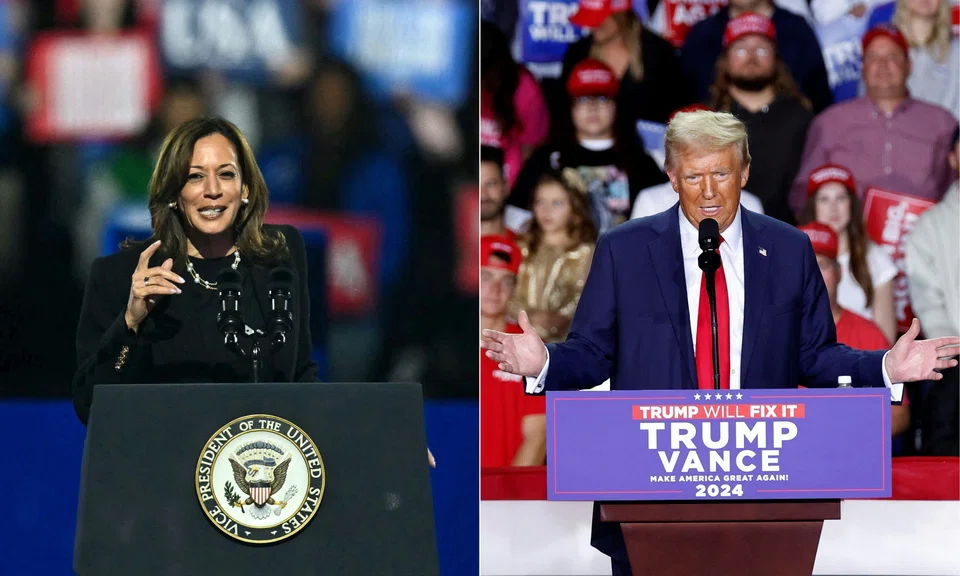
This year’s presidential candidates made many ambitious policy statements. They even agreed on some: job creation, ending inflation, protecting domestic companies, eliminating the taxation of tips and improving housing affordability. Donald Trump also opted for additional tax cuts, ambitious deregulation, high tariffs, lower federal spending, expanding fossil fuel production and curtailing environmental initiatives. Kamala Harris has focused on reducing the cost of healthcare and improving access to it, fighting corporate price gouging, expanding tax credits and creating an innovation fund.
Yet, both Harris and Trump lack the specifics to meet their promises. It’s not something that should be left unaddressed, even in an economy that has outperformed other advanced countries. Measures are needed to be taken in five areas to stand a good chance of delivering on promises.