
Fixing America’s broken air-traffic control system
Congress bears blame for the staffing shortfall that is causing flight delays, cancellations and near-collisions. And one main obstacle to reform is the wealth and influence of private-jet owners.
 Add BT as a preferred source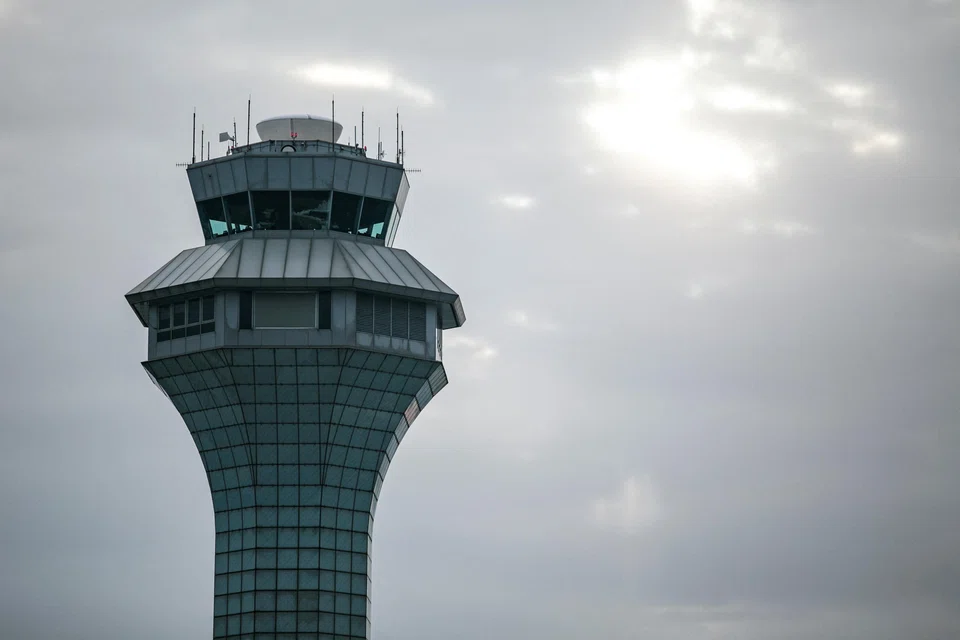
WITH air travel finally returning to pre-pandemic levels, this holiday season is expected to be exceptionally hectic. Many passengers, especially in the United States, will face maddening flight delays, and many more will suffer unnecessarily long flying times. But, most worrying of all, at least a few might witness or be involved in frightening airport near-misses.
To be sure, the US has an outstanding record of aviation safety, with no fatal commercial airplane crashes since 2009. But the frequency of close calls between planes in US airports has increased since the Covid-19 pandemic: approximately 300 near-collisions were reported over the past year.
This alarming surge in close calls can be partly attributed to a critical shortage of qualified air-traffic controllers, which has put severe pressure on America’s air-traffic control (ATC) system. According to the National Air Traffic Controllers Association, there are 1,000 fewer controllers working today than 10 years ago, despite the increase in air travel. The US is currently facing a shortfall of roughly 3,000 air-traffic controllers, as Transportation Secretary Pete Buttigieg has acknowledged.
Decoding Asia newsletter: your guide to navigating Asia in a new global order. Sign up here to get Decoding Asia newsletter. Delivered to your inbox. Free.
Share with us your feedback on BT's products and services

