

A forgotten crisis explains today’s oil shock
With oil and gas supplies soon running out, Iran’s US$2 million-per-ship fee for safe passage to non-hostile nations seems pretty competitive
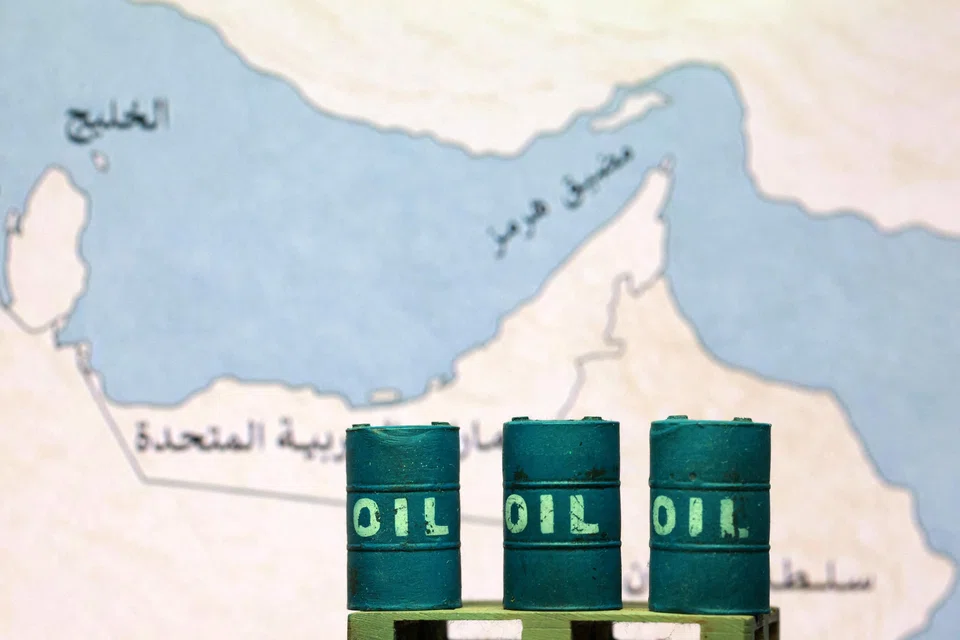
A JAPANESE oil tanker slips through the Strait of Hormuz in the dead of night, radio silenced to conceal its position. Iran secures a market for its crude in defiance of Western sanctions. The balance of the world’s energy trade switches from incumbent hegemons towards emerging powers.
If that feels like a description of current events in the Middle East, you might need to go back to the history books.
The 1953 Nissho Maru incident is largely forgotten, but prefigured the great geopolitical emergencies of subsequent decades: the 1956 Suez Crisis, the 1960 founding of Organization of the Petroleum Exporting Countries (Opec), and the 1973 Arab oil embargo.
It also offers a lesson for today’s crisis: Asian economies will stop at nothing to secure energy independence, even if it angers Western allies. Meanwhile, the quest for cheap power – oil from developing countries in 1953 and renewables in 2026 – will eclipse every other consideration.
In Japan, there’s been a resurgence of interest in the Nissho Maru.
A novel, by far-right writer-turned-politician Naoki Hyakuta, became a bestseller in 2013 and was made into a popular film by the director of Godzilla Minus One.
Enduring memories of the incident may well explain the kerfuffle over a report last week, since refuted by the company, that a Mitsui OSK Lines oil tanker had managed to sneak through Hormuz.
The story resonates because it mirrors the current anti-elitist mood of an imperial order in decline. In 1953, Japan had only recently emerged from the US occupation that followed World War II. Iran had just nationalised a petroleum industry previously run by the Anglo-Iranian Oil Company, or AIOC, the predecessor of BP. That prompted an embargo by the Royal Navy.
In Japan, the Nissho Maru’s owner, Idemitsu Kosan, was an upstart trader at odds with the cosy oligopoly of foreign oil giants and domestic zaibatsu conglomerates who controlled the country’s energy supplies.
Squeezed by US crude producers seeking to cut out his middleman role as an importer, founder Sazo Idemitsu turned to Iran, which was offering barrels at a 30 per cent discount if he was prepared to flout the British blockade.
The events played out like a Cold War spy thriller. The Nissho Maru was greeted with cheering crowds on its arrival in Iran, then used subterfuge and daring seamanship to dodge British ships on the long journey east, before arriving in Kawasaki and finally fighting AIOC in court for its right to the cargo.
Three months later, British and US intelligence conspired to overthrow Iran’s then prime minister, Mohammad Mossadegh, in a coup.
In the oil market, though, the rules of the game had changed forever. In 1950, almost all of the world’s petroleum production was controlled by either the Western oil majors or the Soviet Union. By 1973, a wave of resource nationalism had shrunk their share to just 40 per cent.
Sazo Idemitsu’s determination to break up the established order was a taste of things to come. Japan’s powerful economic agency, the Ministry of International Trade and Industry (MITI), initially disliked his maverick behaviour, but ultimately fell into line in the face of widespread popular support. Under MITI’s direction, cheap imported fuel and close ties with newly nationalised Middle Eastern oil industries later became building blocks of Japan’s industrialisation. To this day, Tokyo enjoys unusually warm relations with Teheran.
The episode should trouble Western capitals. Asian nations import about 85 per cent of the oil and gas that normally passes through Hormuz. Since 1945, their energy policies have rested on twin pillars: the reliability of petroleum supplies from the Persian Gulf, and the impregnability of the US security umbrella that ensures tankers make it to their unloading ports.
Each of those pillars is crumbling right now, and rapid reassessments are needed. In the short term, that’s going to give Teheran more friends than it might otherwise have.
With oil and gas just weeks away from running out, the US$2 million-per-ship fee Iran is charging to guarantee safe passage to nations it considers non-hostile seems pretty competitive, relative to costs of US$5 million or more for the uncertain promise of maritime insurance.
Thailand and Malaysia have both said in recent days that they’ve negotiated assurances with Teheran over the safe passage of their ships.
In the long term, an oil drought will see many nations turn towards new sources of energy. China’s exports of electric vehicles, solar panels and wind turbines offer a way for Asia to cut dependency on Middle Eastern oil and gas, just as surely as the resource nationalism of the 1950s allowed Japan to break the stranglehold of Anglo-American oil companies.
Clean energy is already cheaper than fossil power almost everywhere in the region. The current crisis is demonstrating that it’s more secure, as well.
By outfoxing the financial and military might of the British Empire in 1953, the Nissho Maru showed up a hegemonic power entering rapid decline. US President Donald Trump, who entered office last year promising a new era of fossil-fired American energy dominance, is now offering a potent demonstration of history repeating itself. BLOOMBERG
TRENDING NOW
Two Singapore-listed palm oil firms named in Greenpeace report on Indonesian plantation fires

Singapore Airlines flight returns to San Francisco after ‘unruly’ passenger incident
Singapore looking into which companies responsible for haze-causing fires: PM Wong
Deluge IPO 3.86 times subscribed ahead of SGX debut

