

The Gangnam lifestyle eludes poor South Koreans living in shanties
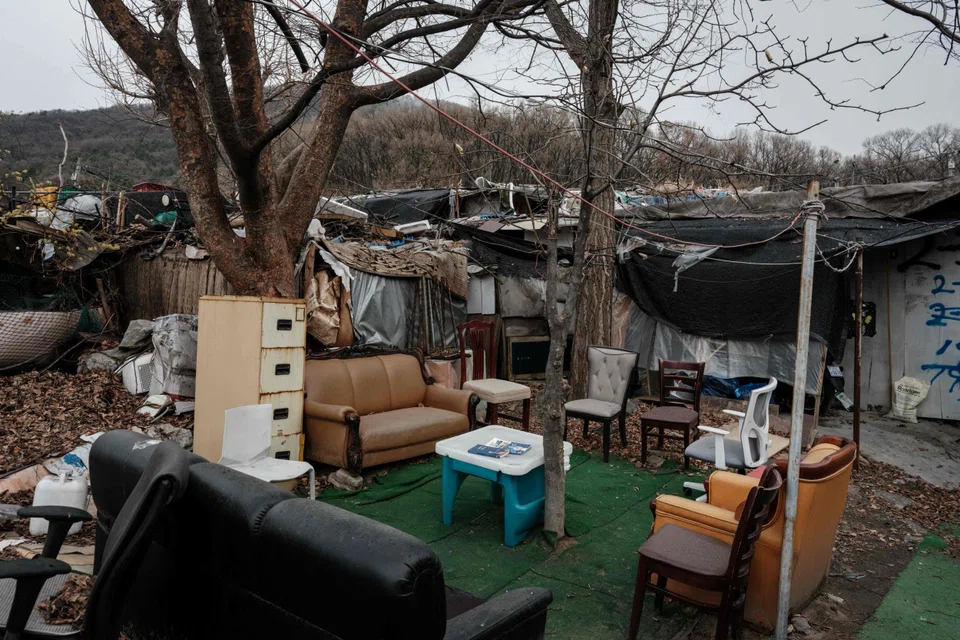
THE poorer sections of South Korean society are struggling to get out of their shanties and step into the affluence of Seoul’s Gangnam district. It may be an impossible dream, because they continue dealing with economic inequality and an outcast social status, as well as the memory of a brutal military dictatorship that is proving difficult to heal.
Rising social inequality is most visible in the shanty village of Guryong that – oddly – lies within the upscale Gangnam. Some 2,400 people live in the slum in shelters made from plywood, metal, sheets of plastic and cardboard boxes amid the most expensive real estate in Seoul. The village was created in the 1980s when thousands of workers were thrown out of their homes by development projects to host the 1988 Olympic Games.
In addition, some 327,000 poor households lived in basements, known as banjiha, in 2020, that are dark and prone to flooding, according to South Korean government data. The vast majority of the basement dwellers are concentrated in three major metropolitan areas – Seoul (61 per cent), Gyeonggi-do (27 per cent) and Incheon (7 per cent).






