

Gaza ceasefire agreement marks a vital first step, but difficult stages await
Durability of US-brokered peace will depend on sustained engagement and careful implementation
AFTER two years of devastating conflict, the announcement of an Israel-Hamas ceasefire agreement offers a fragile but essential glimmer of hope.
While US President Donald Trump will claim a diplomatic victory, the breakthrough may owe less to any single personality and more to the pragmatic, phased framework that made it possible. This represents a model that breaks from past failures.
This ceasefire did not emerge spontaneously. It is the culmination of months of work on a US-led proposal, with talks in Egypt involving Qatari and Turkish officials alongside the Americans. The deal follows through on a pledge that Trump made in late September 2025 for the US to play an active role in ensuring Israel’s security.
The Trump administration’s multilateral approach was crucial. By enlisting key regional partners, it created the infrastructure necessary for negotiations to proceed. It demonstrated an effort to build consensus among parties with varying interests in the region.
The deal’s initial phase calls for a halt to the fighting in Gaza. Israel and Hamas agreed to a release of all the hostages held in Gaza for an exchange of Palestinian prisoners, as well as a partial withdrawal of Israeli troops from the besieged enclave.
The agreement’s structure as a phased process is notable. Rather than attempting to resolve all outstanding issues at once – an approach that had failed repeatedly – the plan breaks the path to peace into manageable stages. This incremental approach may allow each side to build confidence before moving towards permanent resolution.
While the Oct 8 announcement represents a breakthrough, significant uncertainties remain. A number of issues remain outstanding, and further negotiations will be necessary. The agreement’s success depends not only on the initial hostage exchanges and troop withdrawals, but also on whether the parties can successfully navigate subsequent phases.
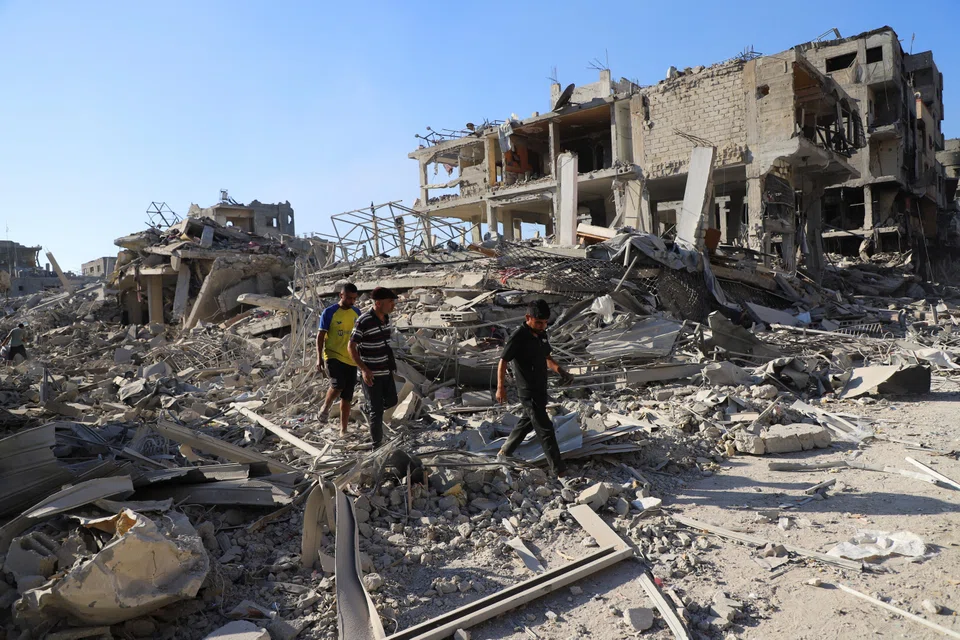
The humanitarian scale of the conflict cannot be understated. The war, which emerged from the Oct 7, 2023, attack, has resulted in massive civilian casualties and destruction. Rebuilding Gaza, addressing the deep-seated grievances of both Israelis and Palestinians, and establishing a durable political settlement remain formidable challenges that extend far beyond this single agreement.
Additionally, the durability of agreements negotiated under US auspices will also depend on sustained American commitment and engagement. Any shift in US policy or attention could affect implementation.
In evaluating the US president’s role, one must acknowledge both the diplomatic initiative demonstrated and the limitations inherent in such efforts. The Trump administration provided essential scaffolding for negotiations. Yet, presidents have limited ability to force peace upon parties unwilling to make fundamental compromises.
This agreement may reflect the exhaustion and calculation of the parties involved as much as it does effective American diplomacy.
Trump’s planned travel to Egypt for an official signing ceremony signals continued US engagement, which will be crucial during the sensitive implementation phase.
For ordinary Gazans and Israelis who have endured two years of warfare, the agreement offers hope for an end to immediate violence. For international observers and policymakers, it demonstrates that even deeply entrenched conflicts can potentially be moved towards resolution with sustained diplomatic effort and the right conditions.
The path ahead remains perilous. The durability of this ceasefire will depend on the commitment of the warring parties, and whether this new model of incremental, multilateral engagement can truly begin to bridge the deep historical divisions that fuelled the conflict.
The first phase may prove to be the beginning of lasting peace – or merely a temporary respite. Ultimately, whether Oct 8, 2025, marks a genuine turning point remains to be seen.






