

Germany’s moment of reckoning: What it must do to compete
The world’s third-largest economy is trapped by its own success. Policymakers must remove barriers to innovation
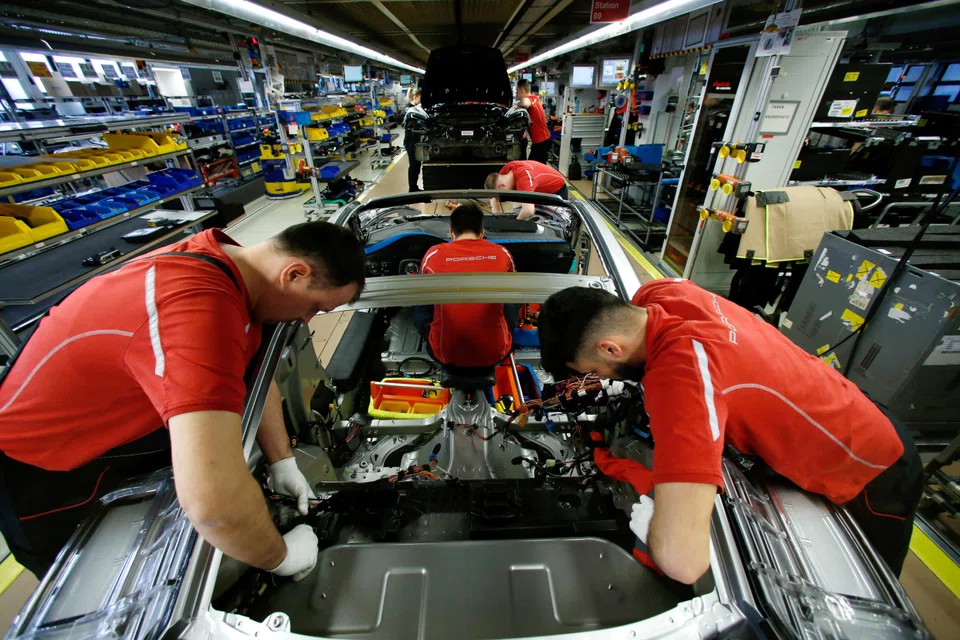
[BERLIN] Germany’s economy in recent years has been battered by the Covid-19 pandemic, Russia’s invasion of Ukraine and the resulting energy crisis, the erosion of German manufacturers’ competitiveness vis-a-vis China, and a sharp rise in inflation.
Together, these shocks have compounded the challenges posed by climate change and demographic shifts, dampening confidence among businesses and consumers alike. Little wonder that Germany’s predicament is often described as a “polycrisis”.
With the far-right Alternative fur Deutschland’s resounding victories in both Saxony-Anhalt and Mecklenburg-Western Pomerania, and the far-left Die Linke’s success in the Berlin state election, there is a growing fear that this polycrisis may become a political crisis.
TRENDING NOW

Once staunchly pro-China, Malaysian Chinese businesses are now distancing themselves from Beijing

Looking beyond looming CEO succession, should UOB potentially pursue a transformative merger?

Could stablecoins be the future of money?

Grab CEO’s wife Chloe Tong on life with Anthony Tan and finding her purpose

