Growing old alone with technology as the last quiet witness
For seniors who live alone, being ‘tracked’ is less about surveillance than being accounted for
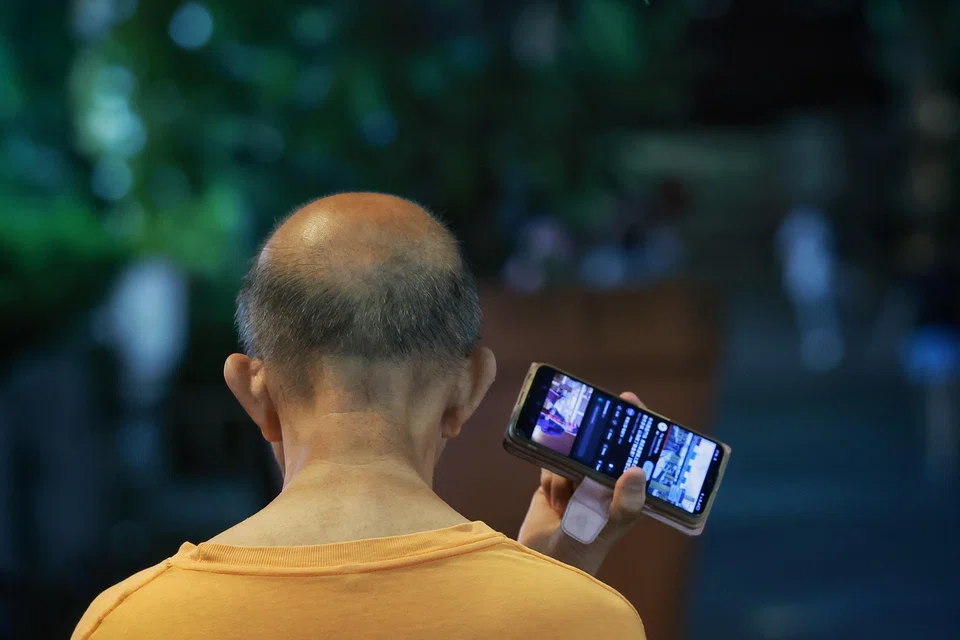
SINGAPORE is ageing faster than it likes to admit. We speak confidently about longevity, active ageing and silver productivity.
We are far less comfortable with the quieter, stark reality that more seniors are living alone, and some will die alone – not dramatically but silently, unnoticed for days, sometimes weeks. In 2025, there were at least 33 such deaths, according to figures compiled by social service agency Loving Heart.
Some may decry this as a moral failure. But it is a demographic one.
Smaller families, greater mobility and longer life expectancy mean old age today looks very different from the past. Many seniors value independence and dignity. They do not want to burden their children. Others have no children to burden.
But independence has a shadow side: when something goes wrong, there may be no one there to notice.
Technology is increasingly positioned as part of the answer. Motion sensors that track activity. Wearables that detect falls and monitor vital signs. Check-in apps, like the local Heartbeat app, that enable seniors to send a daily “I’m okay” message to their caregivers. In China, an app bluntly named “Si le ma” (“Are You Dead”) performs the same function. It alerts a designated contact when seniors fail to check-in for two consecutive days.
At first glance, this feels cold, even dystopian. Should life be reduced to data points? Is death recognised only because an algorithm detects stillness?
That framing misses the point. The question is not whether technology replaces human care, but whether it can stand in when human presence is absent.
For seniors who live alone, being “tracked” is less about surveillance than being accounted for. It is about ensuring that when life quietly ends, it does not go unnoticed, and that dignity is preserved even in solitude.
Concerns about privacy and consent are legitimate. No one wants to feel watched in their final years. Yet many seniors already accept trade-offs. They tolerate cameras in lifts and share personal data with hospitals and insurers. The issues to address are trust, choice and design.
Well-designed systems should be opt-in, transparent and limited in scope. Seniors should know what is monitored, who receives alerts and when. Rather than constant oversight, the aim is exception-based care: nothing happens until something is wrong.
There is also a deeper emotional dimension. Knowing that “someone will know” matters. It reassures not only the elderly person, but also distant children or relatives who worry quietly but cannot be present daily. Technology, in this sense, becomes a bridge between autonomy and care.
This reality applies to all, including well-educated, financially independent seniors who value privacy and self-reliance, and who are unlikely to move in with family or into institutional care. For them, technology may be the most practical and scalable safety net.
Still, technology must not absolve society of responsibility. Sensors cannot replace neighbourliness. Apps cannot substitute for community. The risk is deploying devices and declaring the problem solved, while loneliness deepens, unseen.
Growing old alone should not mean disappearing quietly. If technology can ensure that every life is at least witnessed and acknowledged, it deserves a place in how we think about ageing – not as a cold solution, but as a compassionate backstop in a fast-changing world.
The writer is the group general counsel and chief sustainability officer of Jardine Cycle & Carriage, a member of the Jardine Matheson Group