

Issue over HDB rental rate shows need for data integrity
Accurate information will keep our marketplaces fair and transparent, and help people with decision-making

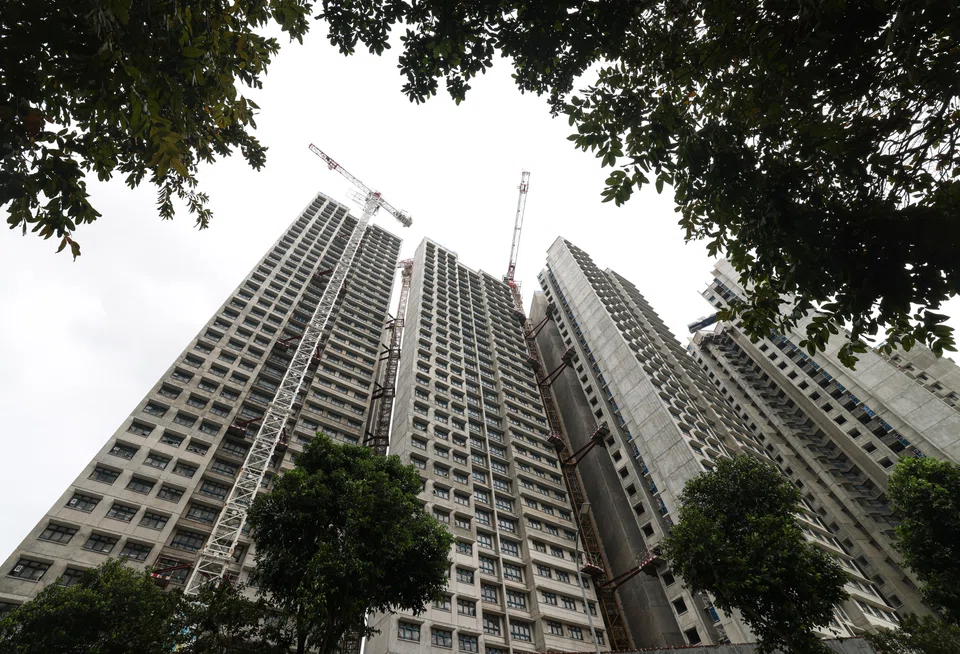
THE recent kerfuffle over an “S$8,000-a-month” rental for a three-room Housing and Development Board (HDB) flat in Bukit Merah was an eye-opener, and not just because it would have chalked up a record-high rental for a public housing flat.
As it turns out, the owner had made a “genuine mistake” and meant to list a rental rate of S$900 a month for a single bedroom. The incorrect data had been submitted to the HDB by the flat owner, in his application to HDB for approval to rent out the flat. This data feeds into a publicly available database of market rental rates, where it was picked up by the media. The entry was corrected after it was flagged by The Business Times.
To be fair, the information comes with a disclaimer: at the bottom of the page, there is a note that says that the rentals listed are self-declared and indicative. Figures given are not checked against a tenancy agreement since the rental agreed is a “private matter between owners and tenants”, the HDB had said.
That such market data is easily accessible to the public is a positive. Transparency of information is key to the efficient working of markets. The ease of the procedure also makes renting out flats a relatively painless process for their owners.
But for data to be useful, it should be accurate and true.
A private matter?
Market data on rentals in private housing is also publicly accessible, in a database collated by the Urban Redevelopment Authority that draws from actual tenancy agreement data provided by the Inland Revenue Authority of Singapore. These are recorded since the government collects stamp duty for every residential lease contracted.
So it is a little puzzling why the same standards are not applied to the public housing rental market. The data is, after all, shared on an official database and used in HDB’s quarterly market reports. The HDB compiles a quarterly index of leasing volume in public housing flats, so it tracks closely the number of flats that are rented out. It also provides information on median rents in each HDB estate, calculated from the data collected from owners in their rental applications.
The availability of such data is greatly beneficial to homeowners and tenants. Renters are able to gauge a property’s market value based on historical data and offer a fair price for it. Landlords also can use it as a benchmark to price their properties competitively. Both can make informed decisions based on the latest numbers.
If there is no requirement for accurate information to be disclosed on HDB’s database, the risk is that some owners may be understating rents charged while illegally renting out for more. Others might be nudged to mark up rents, to support negotiations with tenants. This would result in unreliable data on which decisions, at an individual level at the very least, are based.
At the policy level, HDB will have access to a range of data sources it can tap but it cannot hurt if there is accurate and reliable data here too. Such quality data is crucial in economic and social policymaking – it can improve policy effectiveness, and help decision-makers identify and target the actual problems at hand.
So the difference in treatment of the public and private housing rental data does beg the question: Why is the public housing market viewed differently?
The HDB rental market is not an insignificant one. According to the latest available data compiled by 99.co, an estimated 2,626 HDB flats were rented in August 2024, compared with an estimated 6,994 private condo units leased out in the same month.
In 2023, just under 80,000 non-landed private residential units were leased out, versus around 40,000 HDB flats.
Rent is also a major cost-of-living component for many Singapore residents, both local and foreign.
Rents of HDB flats have been steadily rising, as many tenants have decanted from the private market after condo rents skyrocketed in 2022.
According to SRX’s analysis of HDB data, rents grew by 64.2 per cent in the past six years, with a steeper increase since July 2021. Meanwhile, private non-landed rents grew 55.4 per cent in the same period and appear to have moderated, trending downwards since they hit a peak in July 2023.
The government has said that it is closely monitoring the rental market after the extreme spikes of 2022, when many tenants saw their rents jacked up amid a supply-demand imbalance.
The occupancy cap on larger HDB flats being rented out was lifted, from six to eight unrelated persons, between January 2024 and December 2026. This was done to better meet rental demand, and support households that intend to rent.
Managing misinformation
The government takes a tough stance against misinformation. And rightly so, since false, or bad, information distorts markets and can derail decisions.
The authorities keep close tabs on information shared on various platforms, including resale listings of HDB flats.
Earlier in May, the Ministry of National Development (MND) said that it was investigating the resale listings of two HDB flats for being “misleading” and “unrealistic” in their asking prices of S$2 million. The authorities also removed around 50 listings of HDB resale flats from the HDB Flat Portal for having unrealistic pricing or misleading information.
In a written response, published in August, the MND said that listings on HDB’s resale portal are monitored to “protect public interest” and ensure that “information published on flat listings is accurate”. It added: “These efforts contribute to a stable and sustainable property market, and ensure that the (resale flat listing) service remains a trusted listing marketplace for serious sellers and buyers.”
The HDB resale flat portal has a built-in feature that automatically prompts sellers if their listing price is 10 per cent or more than the highest transacted price for nearby units of the same flat type sold in the past six months.
A similar tracking mechanism like that could perhaps be applied to the HDB rental data, to weed out mistakes and sniff out outliers.
The HDB could also sweep data from actual tenancy contracts, to ensure that its database is both accurate and verified.
At the end of the day, data is key to making sure that our marketplaces are fair and transparent, and people can make decisions that keep markets stable.
TRENDING NOW

If Europe goes to war, the fallout will be felt in East Asia

Singapore government slaps loan curbs on individual private-hire car buyers

Wider talent pools, smoother operations: What these S’pore firms gain from inclusive hiring
Philippines’ FDI slowdown exposes uneven investment prospects across S-E Asia

