

The hidden costs of ‘slowbalisation’
Why countries that engage in discriminatory practices end up paying the price
 Add BT as a preferred source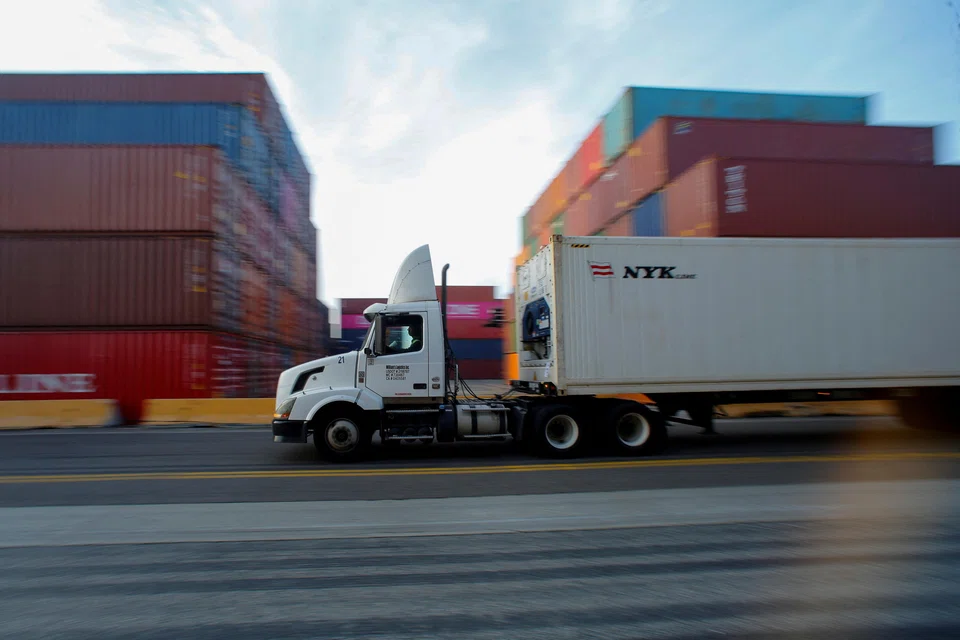
DeeperDive is a beta AI feature. Refer to full articles for the facts.
THE emergence of an open multilateral trading system that separated trade from geopolitics played a pivotal role in driving the post-World War II economy. But with trade policies increasingly shaped by geopolitical considerations, a new paradigm is becoming visible.
This trend started with the tariffs that former United States president Donald Trump imposed on Chinese imports in 2018, which President Joe Biden’s administration has maintained, and which caused China to impose its own tariffs on imports from the United States.
Then, in 2022, following Russian President Vladimir Putin’s invasion of Ukraine, G7 countries and the European Union imposed sweeping economic sanctions on Russia, effectively prohibiting exports to Russia and imports of Russian goods.
Decoding Asia newsletter: your guide to navigating Asia in a new global order. Sign up here to get Decoding Asia newsletter. Delivered to your inbox. Free.
Share with us your feedback on BT's products and services
TRENDING NOW
StarHub hands Ensign InfoSecurity control back to Temasek in S$115 million deal, books S$200 million gain
Singaporeans can now buy record amount of yen per Singdollar
Air India asks Tata, Singapore Airlines for funds after US$2.4 billion loss
Keppel DC Reit posts 13.2% higher Q1 DPU of S$0.02833 on strong portfolio performance

