

Hormuz is the hidden risk to the AI economy
The current geopolitical emergency shows that chip-producing South Korea and Taiwan need to increase the use of renewables
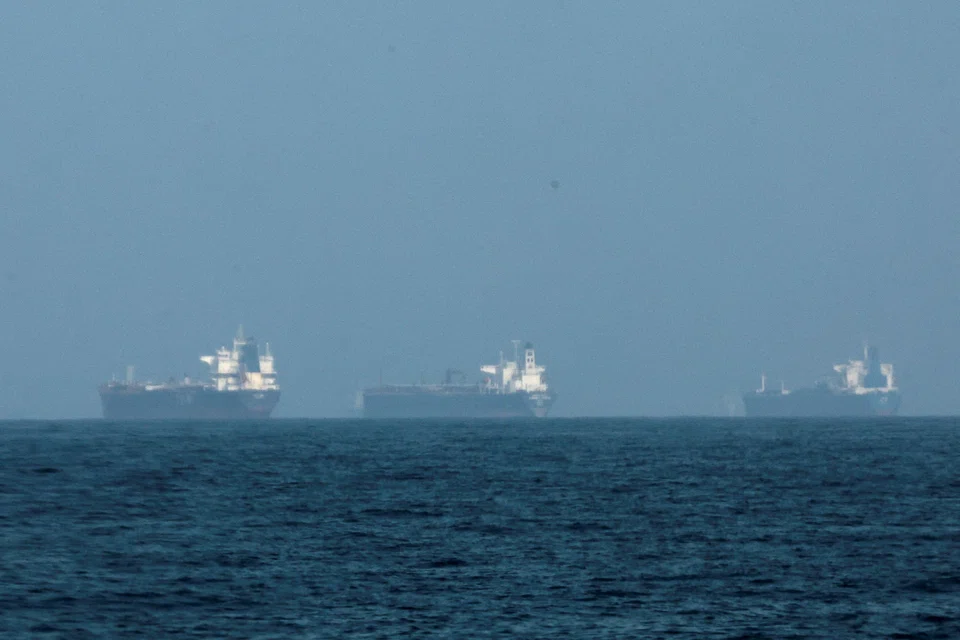
A WORLD where we can cook up artificial intelligence (AI) videos in seconds from the apps on our phones might seem remote from the physical realities of warfare in the seaways of the Persian Gulf. In fact, they are closely intertwined.
That is because the building blocks of the technology industry are deeply dependent on petroleum flowing through the Strait of Hormuz, where the US government vowed on Tuesday (Mar 3) to protect shipping threatened by retaliation from Iran after US and Israeli attacks over the weekend.
More than half of the Dram and Nand chips that provide electronic devices with their short and long-term memory are manufactured in South Korea. About 70 per cent of the advanced processing chips found in smartphones, PCs and data centres are made in Taiwan.
TRENDING NOW

Britain’s mansion tax shows the difficulty of targeting wealth

Once staunchly pro-China, Malaysian Chinese businesses are now distancing themselves from Beijing

The only common thing in S-E Asia is that we all eat rice: Cisco’s Asean president
Singapore data centre operator DayOne opts for US IPO at likely US$20 billion valuation

