

From Hormuz to home-grown power: Why the Middle East crisis strengthens the case for investing in Asia renewables
Forward-looking investors are backing companies that can orchestrate the entire energy system
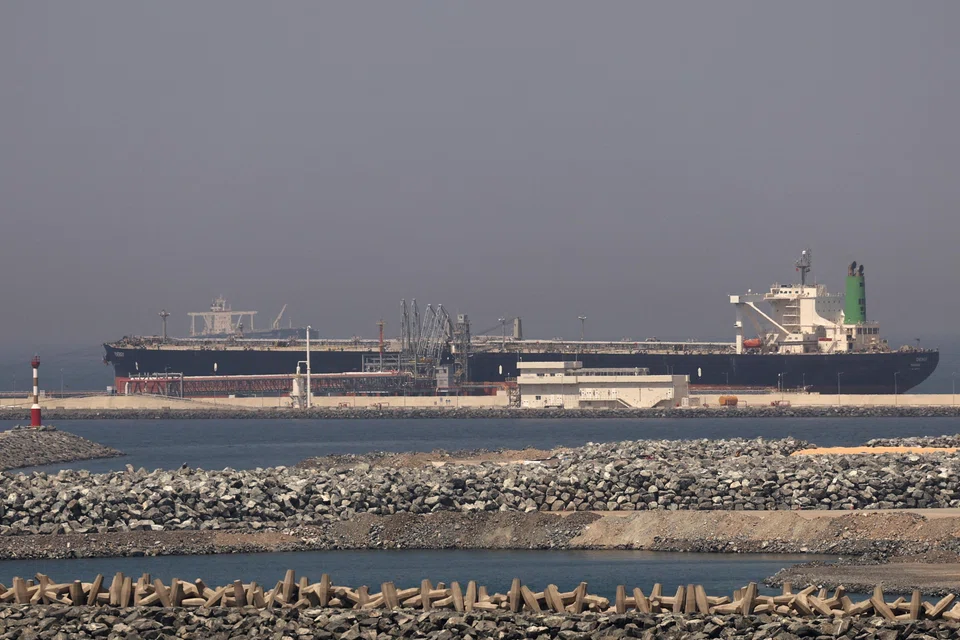
THE US-Iran conflict has disrupted commercial traffic through the Strait of Hormuz, sending oil and liquefied natural gas (LNG) prices sharply higher. It has forced governments and corporates across Asia to confront a blunt reality: energy security is still largely imported, and therefore still hostage to geopolitics.
Hormuz is not just another chokepoint. According to the International Energy Agency, about 20 million barrels a day of crude oil and oil products transited through the strait in 2025, representing about a quarter of seaborne oil trade. Almost 80 per cent of these flows head to Asia.
A sharpening of logic
Asia was already building solar, wind and storage at scale for cost and climate reasons. The crisis is reinforcing urgency, turning renewables from a decarbonisation priority into a strategic hedge, one that addresses the energy trilemma – of energy security, affordability and environmental sustainability – facing Asian countries.
TRENDING NOW

DBS, OCBC, UOB rout lops billions off STI as inflation, rate concerns spook investors

Grab CEO’s wife Chloe Tong on life with Anthony Tan and finding her purpose

OCBC sheds S$8 billion in value as shares close nearly 6% down; analysts cautious on banks

Deal between tycoon friends sparks scrutiny of Philippine power sector

