How Intel CEO Tan Lip-Bu survived a presidential attack
The Trump-Intel boss clash demonstrates how quickly corporate leadership can become entangled in broader geopolitical tensions
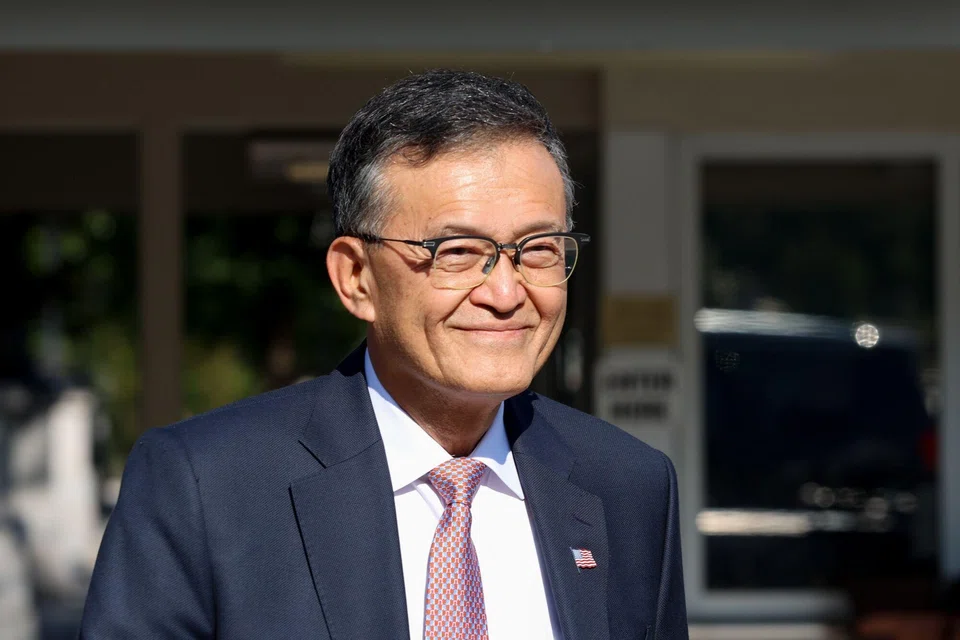
THE recent whiplash-inducing confrontation between US President Donald Trump and Intel chief executive officer Tan Lip-Bu offers a compelling window into the intersection of presidential power, corporate governance and national security concerns in the semiconductor age.
What unfolded over just one week in early August 2025 reads like a corporate thriller – complete with dramatic demands, public defiance and an unexpected reconciliation that sent Intel’s stock soaring.
The conflict ignited when Senator Tom Cotton raised concerns about Tan’s alleged connections to Chinese firms, questioning whether these ties created conflicts of interest for the CEO of America’s flagship semiconductor company.
This congressional scrutiny provided the catalyst for Trump’s explosive intervention, demonstrating how quickly corporate leadership can become entangled in broader geopolitical tensions.
Trump’s initial response was characteristically unambiguous: “The CEO of Intel is highly conflicted and must resign immediately. There is no other solution to this problem.”
The US president’s use of his Truth Social platform to deliver this ultimatum underscored the modern reality that corporate executives must navigate not just boardrooms and earnings calls, but the unpredictable terrain of presidential social media.
Tan’s response revealed both the pressures and possibilities facing corporate leaders in this environment. Rather than capitulate immediately, he chose to address what he called “misinformation” directly with his employees, asserting that he had “always operated within the highest legal and ethical standards”.
This measured response demonstrated how skilled executives can maintain their dignity while under intense political pressure. The CEO’s decision to defend his record publicly, rather than quietly step aside, reflected the complex calculations facing corporate leaders today.
In an era where presidential tweets can wipe billions off market valuations, the choice between appeasement and principled resistance carries enormous consequences.
Perhaps most striking was Trump’s complete about-turn just days later. After demanding Tan’s resignation, the president welcomed him to the White House and announced that Cabinet members would continue discussions with the Intel chief, and even opened talks about the US government potentially taking a stake in the chipmaker.
This dramatic reversal – which Trump framed as productive engagement – highlights the often transactional nature of modern presidential power.
The market’s response was immediate and telling: Intel’s stock soared on news of the reconciliation.
This price movement underscored how much corporate value can depend on presidential favour, particularly in industries like semiconductors, which are deemed critical to national security and the strategic competition with China.
This episode illuminates two troubling trends for corporate governance in the US.
First, it demonstrates how quickly CEO tenure can become subject to presidential whim, regardless of performance metrics or shareholder interests. The fact that former Intel directors responded to the crisis by calling for new leadership and potentially splitting the company, shows how political pressure can accelerate corporate restructuring decisions that might otherwise take years to develop.
Second, the incident reveals the impossible position of multinational corporations in an era of great power competition. Intel, like many tech giants, must navigate complex global supply chains and partnerships while satisfying increasingly nationalist political demands.
Tan’s alleged China connections – whether substantive or merely perceived – became a liability in ways that previous generations of CEOs never had to contemplate. The underlying tension here reflects legitimate concerns about America’s semiconductor independence and the risks of Chinese technological advancement.
Trump’s broader threat to impose 100 per cent tariffs on imported computer chips unless companies manufacture domestically represents a significant escalation in economic nationalism. This policy backdrop gave the president’s ultimatum additional weight – more than political theatre, it was part of a larger strategy to reshape the US’ tech industrial base.
For corporate executives, this clash offers sobering lessons. Political risk assessment must now include the possibility of direct presidential intervention, regardless of legal or ethical standing.
Furthermore, Tan’s measured and composed response to the US president’s initial attack exemplified how leaders may find opportunities to turn political pressure into productive dialogue. Trump’s willingness to reverse course suggests a critical strategic insight: principled resistance, when coupled with genuine engagement, can sometimes succeed where immediate capitulation might fail.
The Trump-Intel confrontation thus embodies the new reality facing American corporations, where leaders must be prepared to navigate unpredictable intersections of presidential power, national security and global economics.
While Tan emerged from this crisis with his position intact, the precedent set is unmistakable – in this present age, even the most accomplished corporate leaders must be prepared for battles they never expected to fight.
The ultimate question this episode raises is whether such high-volatility interventions strengthen American competitiveness, or simply add unnecessary uncertainty to industries that require long-term planning and stability.
The answer may determine not just the fate of individual CEOs, but America’s position in the global technology race.