

How should Europe respond to the energy shock?
A stronger emissions trading system would do far more for resilience than fuel-tax reductions
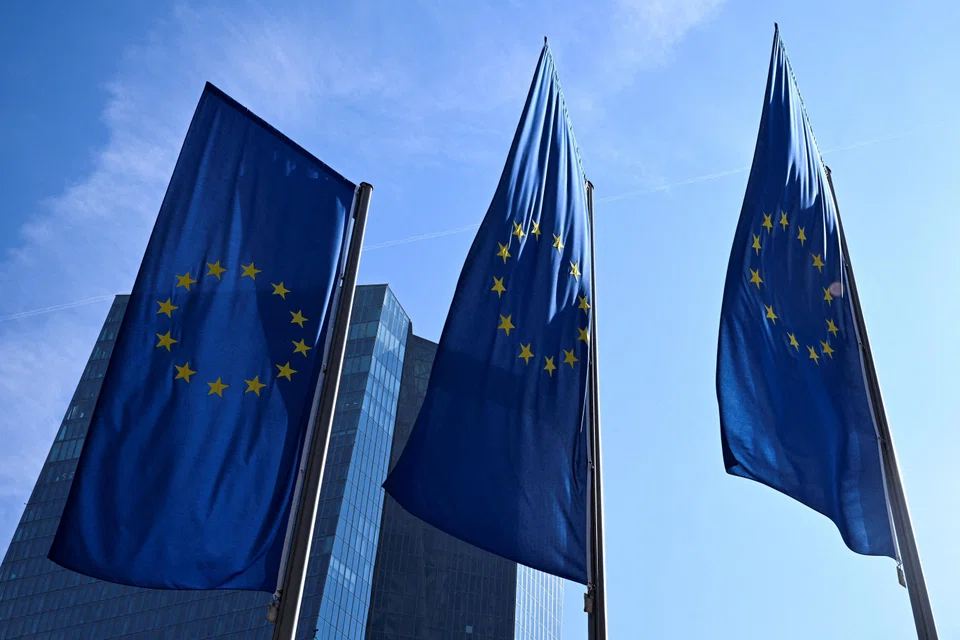
SINCE Israel and the US launched their war on Iran in February, global energy prices have skyrocketed, with crude oil reaching nearly US$115 a barrel at the beginning of May.
While this shock has hit low-income countries the hardest, it also places significant strain on high-income Europe. But it presents an opportunity for Europe to reinvigorate its green transition – and European governments are failing to seize it.
By highlighting the risks associated with dependence on foreign oil and making fossil fuels less competitive vis-a-vis renewables, the current price shock makes the political and economic case for the green transition stronger than ever.
TRENDING NOW
Easy to rent out, hard to sell: Are buyers losing interest in Singapore’s one-bedroom condos?

GovTech retrenches another 38 staff in second round of layoffs

Stocks to watch: Seatrium, CapitaLand Investment, Keppel DC Reit, Suntec Reit, CLCT, TSH Resources

World’s largest offshore wind platform by Seatrium consortium on track to be completed by 2028

