

Hungary’s real economic test
The country must enter the euro with an economy that can function well within a monetary union
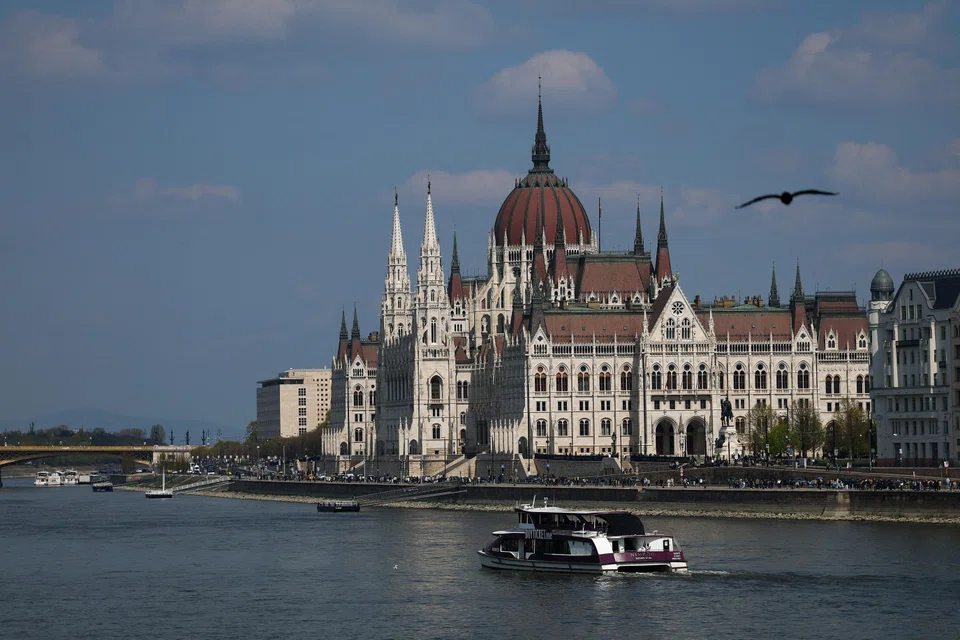
[CANNES] For the first time in more than a decade, a Hungarian government has said something about the euro that markets can actually plan around.
Prime Minister Peter Magyar’s government has just announced that, later this year, it will present a revised medium-term fiscal framework to meet the criteria for eurozone membership.
Euro adoption has drifted in and out of Hungarian policy debates for years, without ever becoming a serious governing objective. This is the first credible signal that something has changed.
Of course, the announcement is just the first step in a multi-year negotiation with reality. The Maastricht criteria that will structure the coming framework document – a deficit below 3 per cent of gross domestic product, debt on a declining path, contained inflation, a stable exchange rate – are necessary but not sufficient.
The bigger challenge for Hungary is to prove that it can live within a monetary union permanently.
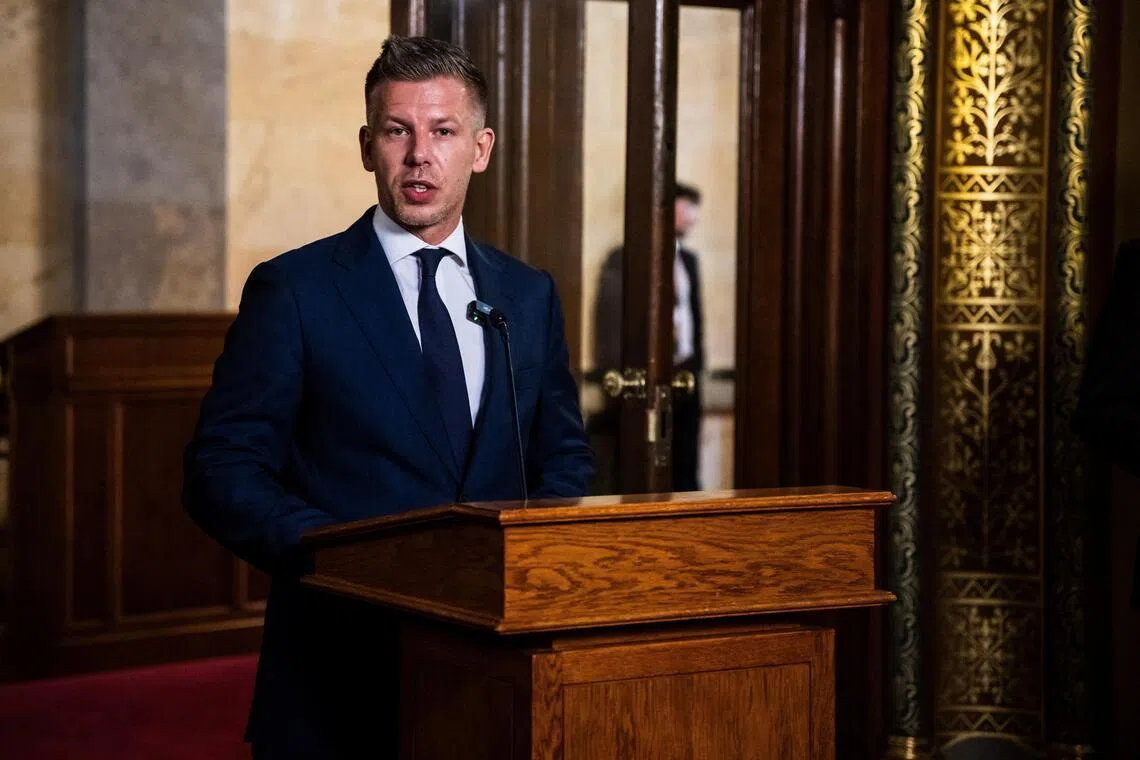
The Magyar government has inherited an unenviable economic situation.
According to the Organisation for Economic Co-operation and Development, Hungary’s fiscal deficit was running close to 5 per cent of GDP last year, and is expected to exceed 6 per cent this year – several times the level most countries have historically run in the year before fixing their exchange rate against the euro.
Likewise, public debt sits at 75 per cet of GDP, well above the median for the nine countries that have joined the currency since 2004.
None of this is a surprise to observers of Hungarian fiscal policy over the past decade and a half. Former prime minister Viktor Orban presided over chronic deficits and an economy addicted to targeted subsidies.
But what is less widely appreciated is that even a credible three-year fiscal consolidation would not be enough to ready Hungary for the euro. The lesson from the eurozone’s enlargement since 2004 is that meeting the criteria does not mean being fit for monetary union.
Structural weakness beneath the numbers
Confusing the two has been expensive.
Greece was judged to have met every Maastricht threshold when it joined in 2001. A decade later, however, it needed one of the largest sovereign bailouts in history, because low interest rates and a fixed exchange rate had hidden deep structural weaknesses in the Greek economy (inflexible labour markets, an undiversified productive base, weak institutions).
Slovenia ran into a version of the same problem half a decade after its own 2007 entry, when a domestic credit boom fed by cheap post-accession financing left its banks in need of a major state rescue.
And the Baltic states offer a related warning: Their brutal 2008-to-2009 boom-and-bust cycle happened while they were still outside the euro, to which they were tied only through currency pegs. In this case, it was the absence of any exchange-rate flexibility that made the bust so severe.
All three cases point to the same lesson: Nominal convergence can mask, rather than resolve, the structural weaknesses that determine whether a monetary union works.
Hungary carries several of these risks in more acute form than the post-2004 cohort did.
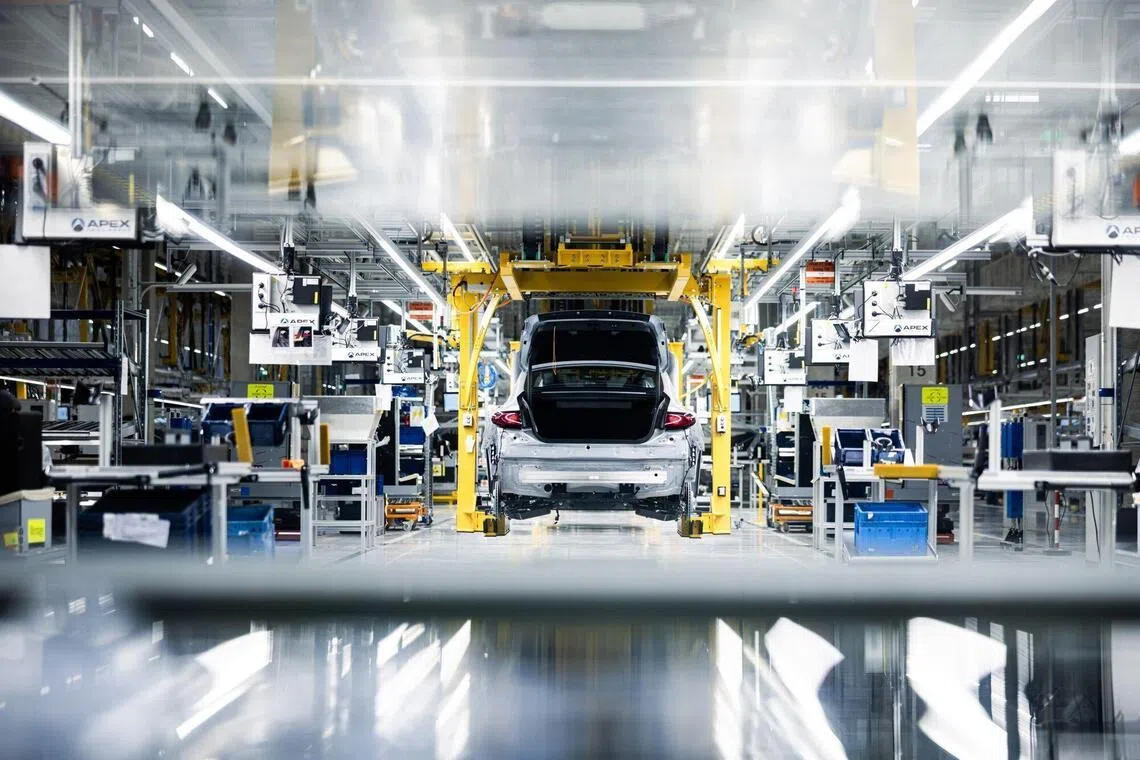
For starters, its export base is heavily concentrated in automotive manufacturing, a sector now being squeezed by Chinese overcapacity in electric vehicles and by the retrenchment of the German carmakers that anchor Hungary’s supply chains.
Meanwhile, the minimum wage has risen so fast relative to average earnings that it is limiting the wage flexibility that Hungary will need when it can no longer devalue its way out of a downturn.
And its central bank, having spent the better part of two years re-establishing credibility after presiding over one of the highest inflation rates in the EU, cannot yet point to the kind of durably boring track record that convinces markets and the European Central Bank (ECB) that low inflation will outlast the current government.
Croatia offers a template
There is also a nearer-term complication. Since the change of government in April, the Hungarian forint has strengthened by close to 10 per cent against the euro, reflecting genuine optimism about reform after 16 years of institutional erosion.
This relief rally, combined with interest rates that remain restrictive even as growth stalls, has produced a currency and monetary stance that is, if anything, far too tight for current economic conditions.
That means the biggest risk to near-term growth has far less to do with joining the euro than with getting the sequencing of disinflation and recovery right.
Put another way, Hungary must pursue its euro aspiration in a disciplined way.
Croatia offers the clearest recent template for how to proceed. Rather than rushing to lock in an exchange rate, it spent years following a detailed reform road map agreed jointly with the ECB and the European Commission.
Only after addressing bank supervision, anti-money-laundering rules, and statistical governance did it enter the two-year waiting room that precedes euro adoption. By the time Croatia joined the eurozone in 2023, it had little else to prove.
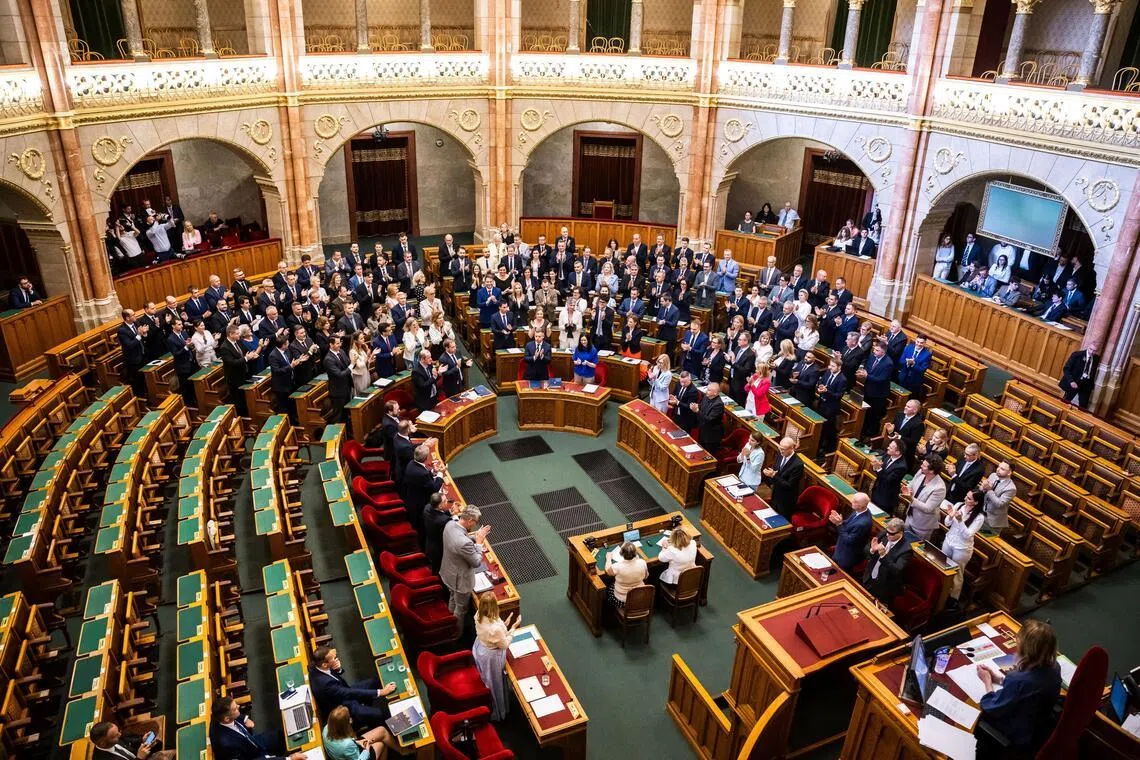
Hungary’s own history offers a cautionary counterexample. On multiple occasions since the mid-2000s, euro entry has been discussed, deferred and quietly dropped from the agenda once the fiscal cost became clear.
The test for the new government’s fiscal framework is not whether it offers a credible glide path for the headline deficit (any competent finance ministry can produce that).
The real test is whether structural reforms of the labour market, the tax base and the institutions that will need to survive changes of government are inseparable from that path. If these reforms are viewed as a priority to be addressed once the criteria are technically met, major risks will remain.
Entering a currency union with favourable market sentiment and a flattering read of the deficit trajectory, but without an economy that can function without the tools it is giving up, would be a formula for more broken promises. That is precisely the trend that Magyar was elected to end. PROJECT SYNDICATE
The writer is a non-resident fellow at Bruegel and a senior visiting fellow at the London School of Economics






