
Indonesia’s support for the Gaza ceasefire: A strategic and moral imperative
Jakarta portrays a rising middle power seeking to shape, not merely respond to, international developments
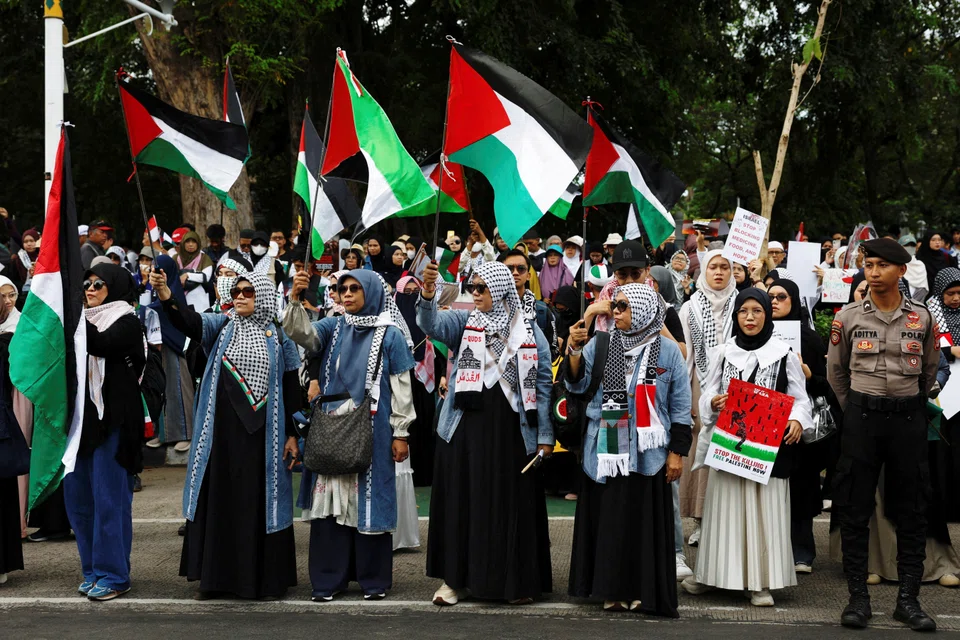
INDONESIA’S swift endorsement of the Gaza ceasefire deal this month represents more than a diplomatic formality. It reflects the convergence of moral principle, historical solidarity and strategic ambition that has long characterised Jakarta’s approach to the Palestinian question.
Beyond the halt in violence, the Indonesian foreign ministry urged the international community to restart a substantive peace process. Foreign Minister Sugiono has also emphasised the nation’s focus on ending bloodshed in Gaza and ensuring humanitarian access.
This underscores Indonesia’s consistency in positioning itself as a staunch advocate for Palestinian rights, rooted in its identity as the world’s largest Muslim-majority nation.
Meanwhile, President Prabowo Subianto’s offer to deploy at least 20,000 Indonesian troops to Gaza as peacekeepers signals Jakarta’s willingness to move from rhetoric to action. If realised, this would be a substantial commitment of military resources to safeguard any future peace arrangement, not merely symbolic posturing.
And the South-east Asian country’s readiness to also contribute to Gaza’s reconstruction further demonstrates long-term engagement, not just crisis response.
Its position also reflects its understanding of the conflict’s deeper dynamics. Indonesia has maintained that the two-state solution remains the only viable path forward, and that lasting peace is impossible without ending Israel’s occupation and establishing an independent Palestinian state.
“Jakarta demonstrates that effective diplomacy in the 21st century requires both moral clarity and practical engagement – a stance it clearly sees as relevant far beyond the specific context of Gaza.”
This insistence on addressing root causes distinguishes Indonesia’s approach from more transactional diplomatic interventions. Equally significant is the geopolitical dimension of the country’s stance.
By joining a coalition statement with Egypt, Jordan, Pakistan, Qatar, Saudi Arabia, the United Arab Emirates and Turkey that welcomed US President Donald Trump’s role in brokering the ceasefire, Indonesia situated itself within a broader Muslim and Arab diplomatic front.
This alignment serves multiple purposes: It amplifies Indonesia’s voice on the international stage, strengthens its credentials within the Muslim world, and demonstrates its capacity to work within complex multilateral frameworks.
Domestically, its strong stance on Gaza resonates deeply with its population. It also reinforces the government’s Islamic credentials without compromising its secular constitutional framework.
This balancing act exemplifies Indonesia’s “independent and active” foreign policy doctrine, which seeks to advance national interests while maintaining principled positions on global issues.
What emerges from its response to the Gaza ceasefire is a portrait of a rising middle power seeking to shape, not merely react to, international developments. Jakarta is leveraging the ceasefire to position itself as a constructive actor willing to commit peace-building resources, while maintaining unwavering support for Palestinian statehood.
In doing so, Jakarta demonstrates that effective diplomacy in the 21st century requires both moral clarity and practical engagement – a stance it clearly sees as relevant far beyond the specific context of Gaza.



