Iran-Israel strife throws out a lifeline to shippers
War-risk premiums are putting a floor under global shipping rates as the world awaits good news on trade
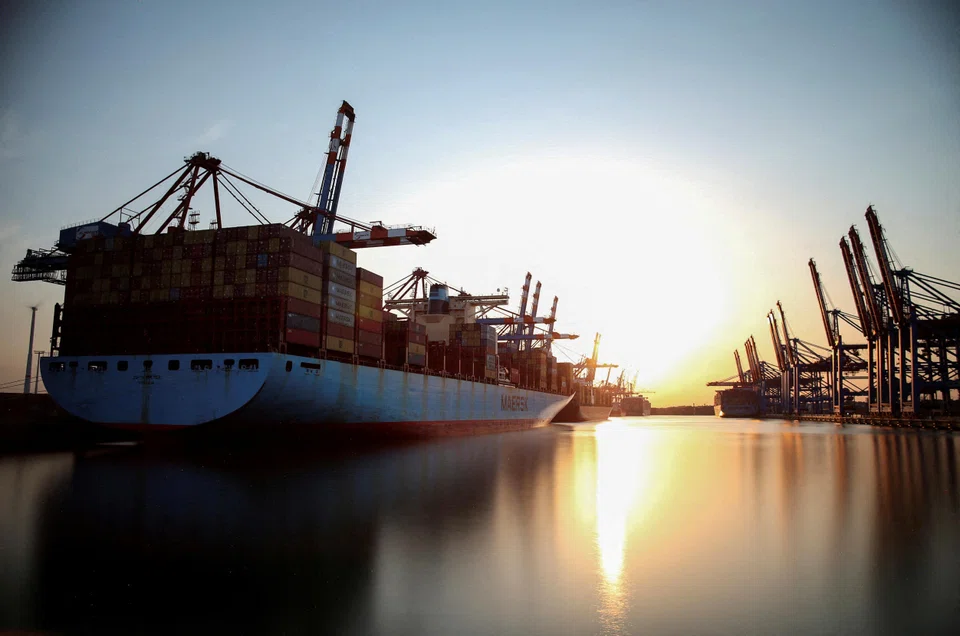
ESCALATING aggression in the Middle East, most recently with the renewed Israel-Iran conflict, is causing more headaches for global supply chains and logistics operators. Perversely, that’s being turned into good news for shippers already accustomed to bottlenecks and delays.
This month’s seizure of container carrier MSC Aries in the Strait of Hormuz would ordinarily have been enough to put the shipping industry on edge. Yet it’s merely the latest drama to afflict international transport in the past year, and the reaction shows how pragmatic the sector is among all the turmoil.
The narrative surrounding this one ship tells a lot about the complicated story of transport. The fresh bout of hostilities kicked off in October when Hamas attacked Israel, prompting a massive invasion of Gaza.
Israel accused Teheran of aiding Hamas, as well as Hezbollah in Lebanon – and an escalation to direct clashes between Tel Aviv and Teheran is the risk that has worried markets the most. On Apr 1, Israel launched a missile strike on Iran’s consulate in Damascus, the capital of neighbouring Syria. Senior Iranian military leaders were killed.
Iran vowed revenge, and within a fortnight the MSC Aries was hijacked. The ship is owned by MSC Mediterranean Shipping, which is affiliated with Israeli businessman Eyal Ofer’s Zodiac Group, according to data compiled by Bloomberg. There were also tit-for-tat missile strikes between the two nations, which both sides have downplayed.
Suddenly, the Strait of Hormuz, which separates Iran from Oman and the United Arab Emirates, has become unsafe for marine traffic.
Almost 3,000 kilometres away, the Red Sea had become unnavigable as far back as October, when Iranian-backed Houthi rebels in Yemen launched missiles at vessels, jeopardising passage to and from the Suez Canal.
Shipping companies have chosen to largely avoid the area. This has meant rerouting from the canal, which connects Asia and Europe, to around southern Africa – adding weeks to the journey.
A drought on the other side of the world in Central America had already slowed traffic flow through the Panama Canal and forced vessels to take the long way via South America, while Russia’s invasion of Ukraine was disrupting maritime traffic in central and northern Europe.
A war-risk premium
Throughout these various disruptions, shipping rates have risen and fallen in line with supply and demand. Longer travel times have effectively cut supply, while an ongoing slowdown in global trade has crimped demand.
This latest crisis has acted as a good opportunity to once again boost prices under the guise of charging a war-risk premium, even though the rerouting of traffic due to an incremental disruption near the Persian Gulf is likely to have a relatively minor impact on shipping times and capacity.
“Our analysis indicates that we can expect a surge in war risk premiums and freight rates,” Hamburg-based Container xChange wrote in an Apr 15 note. “The potential spread of conflict from the Red Sea into the Strait of Hormuz raises concerns about the broader regional and global implications of this localised conflict.”
Instead of getting beating down, as one might expect, shares of shipping companies have risen. Hapag-Lloyd of Germany, Danish operator AP Moller-Maersk and China’s Cosco Shipping have all posted strong rebounds from March lows. The Shanghai Containerized Freight Index has also inched back up after declining from recent highs at the end of last year.
One explanation is that the past two years of adversity have already prepared the sector for all manner of disruptions.
Yet another is the belief that global trade is on the rebound and shippers now enjoy more pricing power than they’ve had for quite a while. But this supposed rebound is not yet clear, making it highly possible that the current boost in rates and share prices is driven more by sentiment than reality.
What the industry will be looking out for is some kind of strength in Chinese exports – they slumped 7.5 per cent in March – and more evidence that alternative production hubs like Vietnam and India are truly stepping in to drive global trade. So far, we’ve seen neither.
Absent such good news, the global shipping sector is clinging to even bad news for an excuse to be optimistic.