

With Iran war’s cost impact just beginning, Singapore must take energy saving seriously
Energy authority’s warning should prompt behavioural change, not merely calls for support

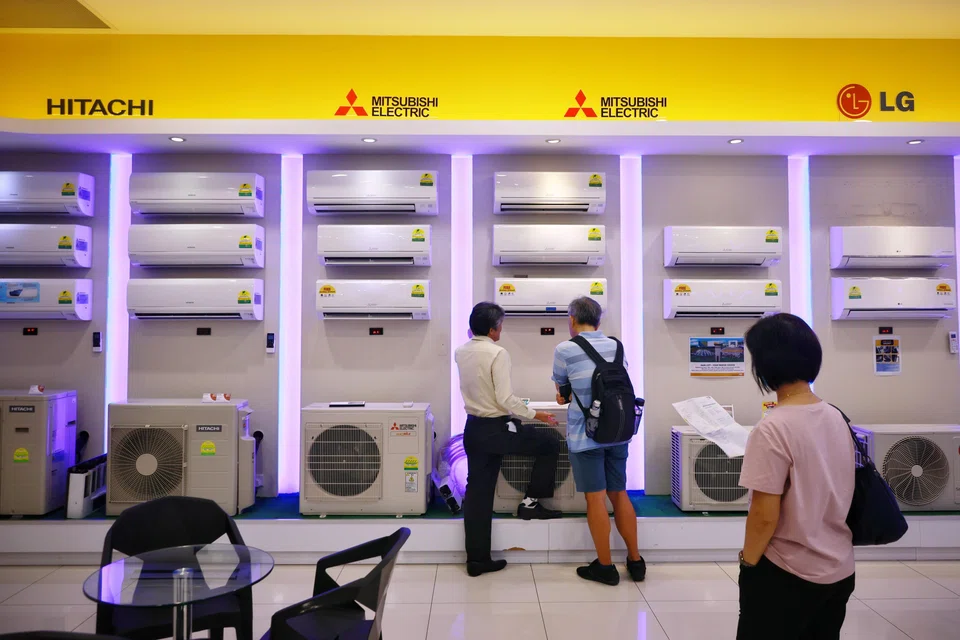
THE Iran war is pushing Singapore’s electricity and gas prices up – and the signs point to things only getting worse in the coming months.
After earlier warnings and reassurances, perhaps the starkest assessment of Singapore’s energy outlook was provided on Tuesday (Mar 31).
First, SP Group’s usual release on the next quarter’s household electricity tariffs included a notable caveat.
For April to June, the tariff will be 2.1 per cent higher than the previous quarter, due to increased energy costs. But as SP Group highlighted, this calculation reflects natural gas prices from Jan 1 to Mar 15.
It thus accounts for rising prices only from Feb 28 – when the Middle East conflict began – till Mar 15. Since then, the global energy shortage has intensified.
Therefore, as SP Group warned, electricity tariffs in coming quarters are expected to rise further as they incorporate “the full effect of the elevated natural gas prices”.
This warning was echoed by the Energy Market Authority (EMA) in a similarly timed news release.
EMA noted that as second-quarter tariffs “have only been partially affected by the rise in fuel prices”, Singapore is “likely to see further and potentially sharper increases in the electricity and town gas tariffs in subsequent quarters” – that is, in the second half of 2026, and perhaps even beyond.
In other words, even if the Iran conflict somehow ends soon, its impact will intensify as the year goes on.
And that is a very big “if”. As EMA also noted: “We cannot predict how long the conflict in the Middle East will last.”
Fuel prices are expected to stay high “in the foreseeable future” – a worrying phrase, whether it implies that the impact will be long-lasting, or that very little of the future can be foreseen.
Not just support, but savings
In Singapore, a common response to cost-of-living pressures is to call for greater support – an instinct encouraged by the government’s many reassurances that it stands ready to provide such help.
On Mar 20, for instance, Minister-in-charge of Energy and Science and Technology Tan See Leng said: “We will not hesitate to step in to intervene and to help our businesses as well as our households.”
But financial support alone cannot be the answer, particularly when pressures are prolonged. The public coffers cannot subsidise unfettered energy use indefinitely.
As Dr Tan also said, and as the EMA repeated on Tuesday, households and businesses can do their part by conserving energy.
“This will help lower energy costs and contribute to Singapore’s energy resilience,” said EMA.
Unlike some other countries, Singapore is not facing fuel rationing, austerity measures or work-from-home mandates to save petrol.
But even as authorities work to ensure energy security at home, Singapore needs to internalise the harsh reality of the global situation – and brace for a possible longer-drawn, wider-ranging crisis.
In Parliament next week, the government will give an update on how it is preparing for “all possible contingencies” in relation to the Iran war, Prime Minister Lawrence Wong told the media last weekend.
The impact may go beyond energy prices, he noted. Among other areas, the supply chain effects will extend to diesel – used in industries from transport and logistics to agriculture – and jet fuel, affecting aviation.
Even if austerity is not officially imposed, curbing one’s consumption today may benefit both households’ wallets and the national good.
TRENDING NOW
Stocks to watch: Clar, Seatrium, Sheng Siong, MPACT, NetLink NBN, Starhill Global Reit
Singapore government slaps loan curbs on individual private-hire car buyers

If Europe goes to war, the fallout will be felt in East Asia
DBS denies rumours of Indonesia unit merging with Bank Central Asia; analysts see sense in a deal

