Japan is poised to fill an EV gap left by China
NOW is a good time for established Japanese car companies to seize the opportunity to expand in North America to meet electric vehicle (EV) demand. US protectionism and security fears are stymieing the overseas expansions of Chinese names such as BYD and SAIC Motor, leaving the door open to those that Western governments deem more friendly.
Honda Motor is a good example. The Japanese giant is on the verge of a deal with Canada to set up in the southern province of Ontario. The new facility would build electric vehicles and receive incentives from the federal government. This would be in addition to an existing plant that makes combustion-engine models in Alliston, Ontario.
Canada is eager to attract more EV production, adding to traditional-vehicle assembly plants already owned by Ford Motor, General Motors, and Toyota Motor. There are some key differences with the Honda deal and how the Canadian government is subsidising factories to be built by European automaker Stellantis and battery supplier Northvolt. But the bigger picture remains: More EVs are to be made in the country.
The Honda deal matters because it comes as the US moves to halt Chinese EV makers from setting up manufacturing on North American soil, let alone sell their vehicles into the US market.
Washington’s protectionism is borne out of the same fears that gave rise to a ban on the installation of communications equipment from Huawei Technologies and curbs on the sale of chips to China. Cars, specifically EVs, could become the next security risk, and the administration doesn’t want to take that chance.
That pushback runs headlong into Chinese President Xi Jinping’s goal of boosting industrial development, which puts the nation’s world-beating EV sector at its heart.
US objections also extend to its neighbours. Mexico recently started refusing to offer incentives to Chinese automakers despite the government previously handing out enticements such as cheap land and tax cuts, Reuters reported this month.
The cold shoulder comes from US pressure, with an official at the Office of the United States Trade Representative noting that a trade agreement with Canada and Mexico was not meant to “provide a back door to China”.
Japan’s chance
Japanese automakers, which operate factories across the globe, are smart to seize this latest EV opportunity in North America.
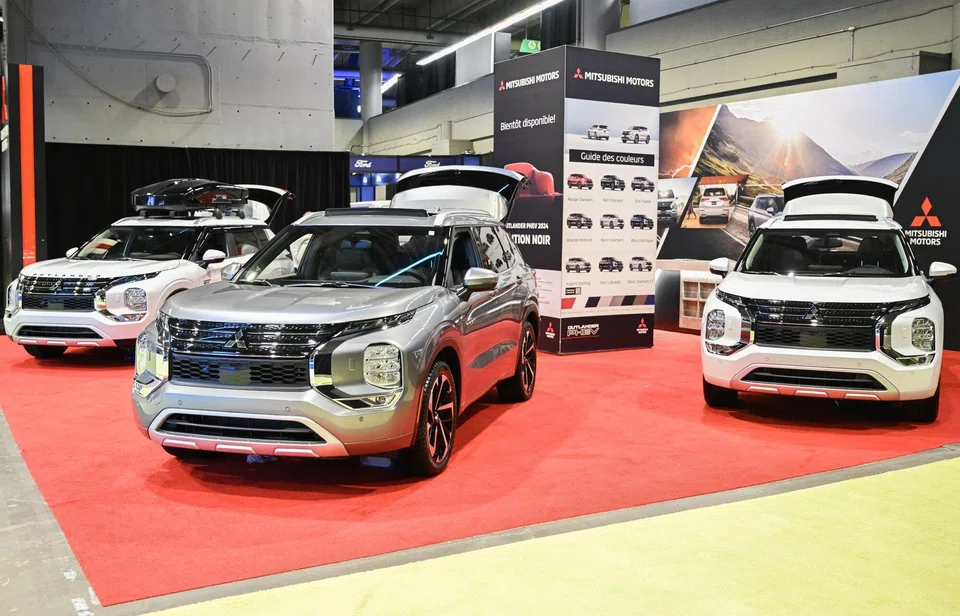
Four decades after American fear of Japan’s growing auto sector peaked, the trade and investment relationship has become more symbiotic and less adversarial. In addition to Honda, Japanese manufacturing presence in Canada, Mexico and the US includes Toyota, Nissan Motor, Subaru and Mitsubishi Motors.
But, like the rest of the North American auto sector, these factories are still largely churning out gasoline-powered vehicles. That will change, but re-engineering existing combustion-engine factories for EVs is proving quite challenging when compared with how Tesla has been able to build from scratch.
Chinese players are effectively out of the race before it even starts, and established US names are struggling. General Motors, for example, has missed its own EV targets and even skipped steps in a rush to production.
To be clear, Japanese automakers aren’t exactly conquering either the Chinese or Americans in the global EV race. Toyota has made commitments about a new-energy transition, but in recent years has clung more to a strategy centred around hybrids. But their future visions seem more cohesive and realistic.
That’s why Honda’s Canada move is so important. It will not only benefit the Japanese carmaker and its domestic peers, but help push North America further down the road of an all-electric future.
If US and European peers keep faltering in their EV transition, and the Chinese are prevented from even trying, then at least companies such as Honda and Toyota will be poised and ready to jump on the opportunity.