

‘Liberation Day’ leaves world, America perplexed
[WASHINGTON] US President Donald Trump stunned investors and consumers, at home and abroad, on Wednesday (Apr 2), when he announced his most expansive tariffs to date.
In a series of moves that he declared as “Liberation Day” for US trade policy, Trump said he would impose 10 per cent tariffs on all trading partners and double-digit “reciprocal” tariffs on countries that have treated the United States unfairly.
The president said that will correct years of “unfair” trade in which other countries have been “ripping off” America.
The tariffs would apply to more than 100 trading partners including the European Union, United Kingdom, China, India and Vietnam.
The president announced his plans for sweeping reciprocal tariffs at a Rose Garden ceremony on a cloudy afternoon in Washington, saying that his new tariff policies would “make America wealthy again”.
He framed his policies as a response to a national emergency, saying that tariffs were needed to boost domestic production and amounted to a “declaration of economic independence”.
“We’re going to start being smart, and we’re going to start being very wealthy again,” said Trump.
Under the plan, the US will impose new 34 per cent tariffs on Chinese goods, on top of the 20 per cent already levied on China.
Some of Trump’s highest rates will apply to US allies, including a 20 per cent tariff on imports from the EU and 24 per cent on goods from Japan. India will face a tax of up to 27 per cent on its exports to the US.
At least 60 countries will face individualised tariffs, calculated to be half of the tariffs and other barriers that those countries “charge the US”.
Notably, Trump said that he will put a 46 per cent tariff on imports from Vietnam. That in turn could soon raise costs for major corporations in the apparel, furniture and toys space, some of which may likely pass through to consumers in the form of price hikes. The tariffs on Vietnam take effect on Apr 9.
The US leader at one point described his approach as “kind”, explaining that Washington would be charging other countries only half of the rate that the administration had calculated should be applied, based on those countries’ trade practices.
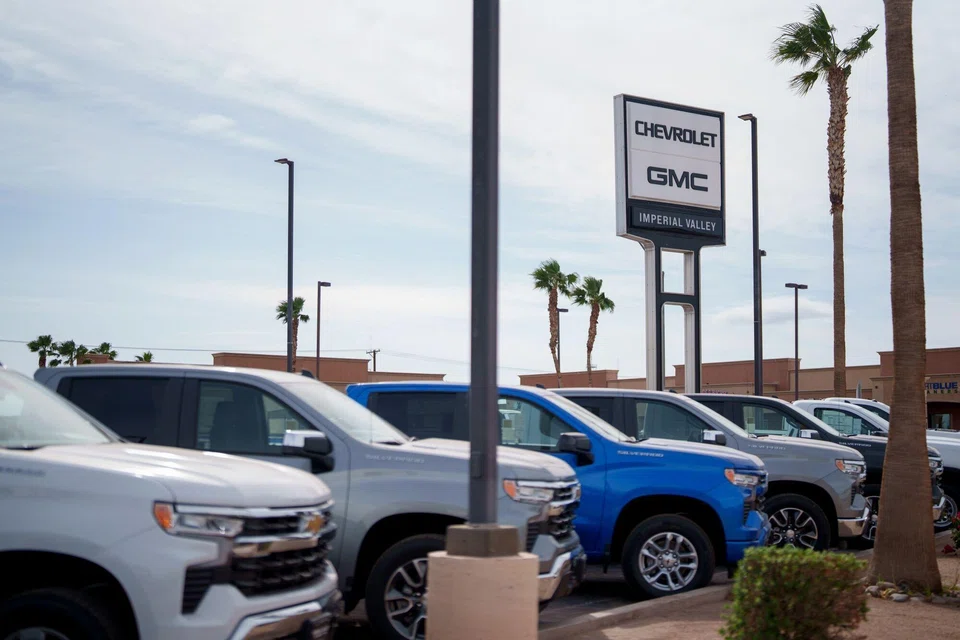
New tariffs on automobiles made outside the US go into effect on Thursday, adding to previous charges on steel, aluminium and other imports worth billions of dollars that the president has imposed since returning to office in January.
Trump took pains to frame the shift as “historic”, envisioning a return to the period from 1789 to 1913, when the US generated most of its revenue from tariffs. Since then, it has relied most heavily on federal taxes.
“There will never have been a transformation of a country like the transformation that’s already happening in the United States of America,” he said.
Trump promised a boost to US industry and manufacturing, brushing off concerns that the aggressive approach could lead to a recession. He claimed that US$6 trillion in new investments have already been pledged to the US since he took office, and exuded confidence about raising the tariffs despite warnings from economists that they will increase prices for American consumers already hit hard by inflation.
Trump’s bet is that his tariffs policy will be a show of strength internationally and a political winner at home.
But by raising tariffs, the president seems to be neglecting Americans’ top concern – high prices. A Mar 28 CBS News survey found that 64 per cent of Americans think Trump isn’t focusing enough on lowering prices, and 55 per cent think he’s somewhat obsessed with raising tariffs.
Leading opinion polls find that fear of tariffs is a major contributor to declining confidence. Of those polled in the CBS News survey, 72 per cent believe that higher tariffs mean higher prices in the near future.
By substantial margins, according to an Economist/YouGov poll, voters reject raising tariffs on America’s allies, including Canada, Mexico and the EU (but are more likely to endorse higher tariffs on adversaries such as China).
Americans, according to the same poll, also reject the across-the-board tariffs on steel and aluminium. Of those polled, 54 per cent said the costs of tariffs are mostly borne by people and companies in the US, compared with only 24 per cent who reckon that exporting countries bear the burden.
Voters understand that domestic manufacturers would be affected by the tariffs on steel, as most of the steel and other car-making materials are imported. These added costs will be passed on to US businesses, and then further on to consumers.
Hence, despite promising to lower prices during his campaign, Trump now seems indifferent to the prospect of higher prices.
Last week he told NBC News that he “couldn’t care less” if foreign automakers raised their prices due to tariffs. “I hope they raise their prices because if they do, people are going to buy American-made cars. We have plenty,” he said.
But then tariffs would not raise the price of foreign cars without affecting the price of American cars. After all, the levies would raise the costs of the many foreign components that go into American cars, raising prices for US automakers and consumers.
Moreover, car imports have given American manufacturers an incentive to hold down costs; tariffs would reduce those incentives.
The bottom line is that price increases remain Americans’ top concern – and that Trump receives lower ratings on this issue than on any other. Those ratings are now likely to fall even lower after the impact of the tariffs on consumers becomes clear to them, and they discover that in a way, those tariffs helped liberate their wallets.
TRENDING NOW

Singapore’s central gas buyer affirms Indonesia’s role as ‘important partner’ amid export review warning

Why the biggest business decision about AI isn’t which model to choose

Is Manila Asia’s new dining hot spot?

KKR founders among investors buying 42% of Peter Lim’s Valencia; club valued at US$1.4 billion

