

The lip-smacking diplomacy of murukku and Maine lobster
INDIA’S “murukku” diplomacy was in play two years ago in the 193-member United Nations General Assembly for its resolution to designate 2023 as the International Year of Millets to promote healthy foodgrains. The Indian mission to the UN distributed the savoury snack murukku, made of millets, to UN diplomats ahead of voting on the resolution in March 2021, along with information on the nutritional benefits of the grains.
The gastro-diplomatic action then moved to India, where the US embassy announced in April 2022 that it would spend up to US$75,000 to produce cooking videos and organise “foodie walks” in major Indian cities. The programme aims to use social media to demonstrate the US-India strategic partnership “through cultural and culinary diplomacy”, as well as “generate increased demand and interest in US foods”, and maintain a positive perception of US-India relations.
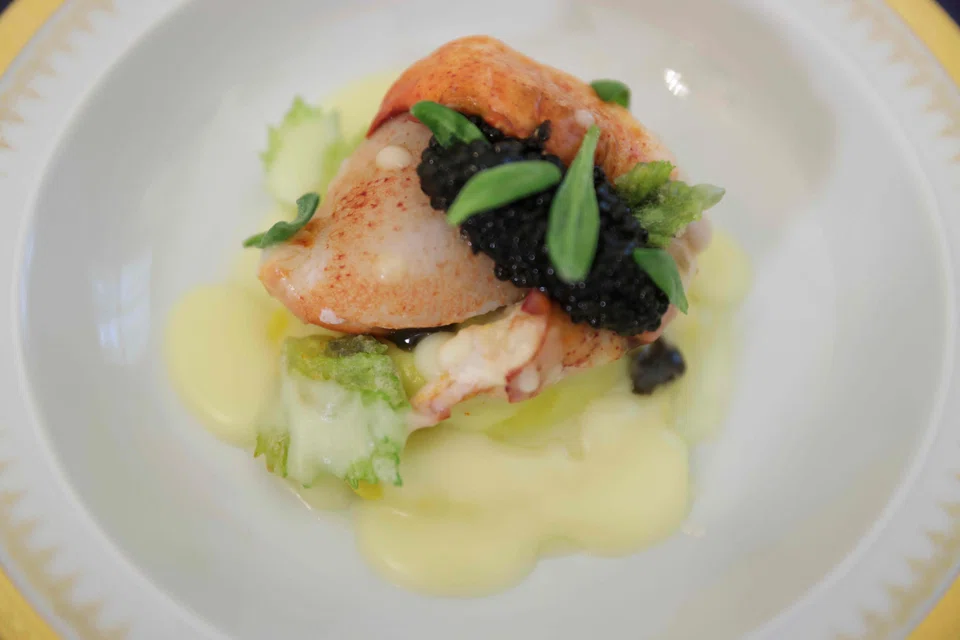
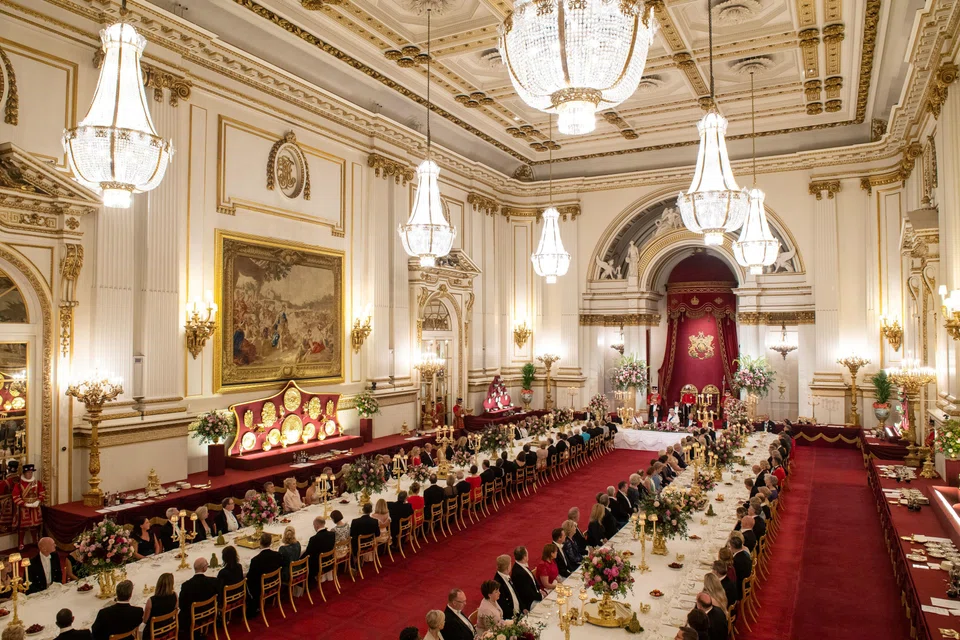
More recently, food diplomacy returned to the White House, after President Donald Trump’s tough-talking “hamburger and fries” statecraft and the disruption caused by the Covid pandemic. Fine dining resumed at the White House last December when President Joe Biden feted French President Emmanuel Macron with butter-poached Maine lobster, American Osetra caviar, calotte of beef with shallot marmalade, triple-cooked butter potatoes, and artisanal cheeses.
The Biden administration resorted to culinary diplomacy in a calculated bid to undo some of the damage caused by the United States’ surprise announcement in September 2021 of a US-Australia submarine partnership that scuttled France’s own submarine deal with Australia. The French were enraged. For what it’s worth, the Biden administration is letting Maine lobsters do the talking.
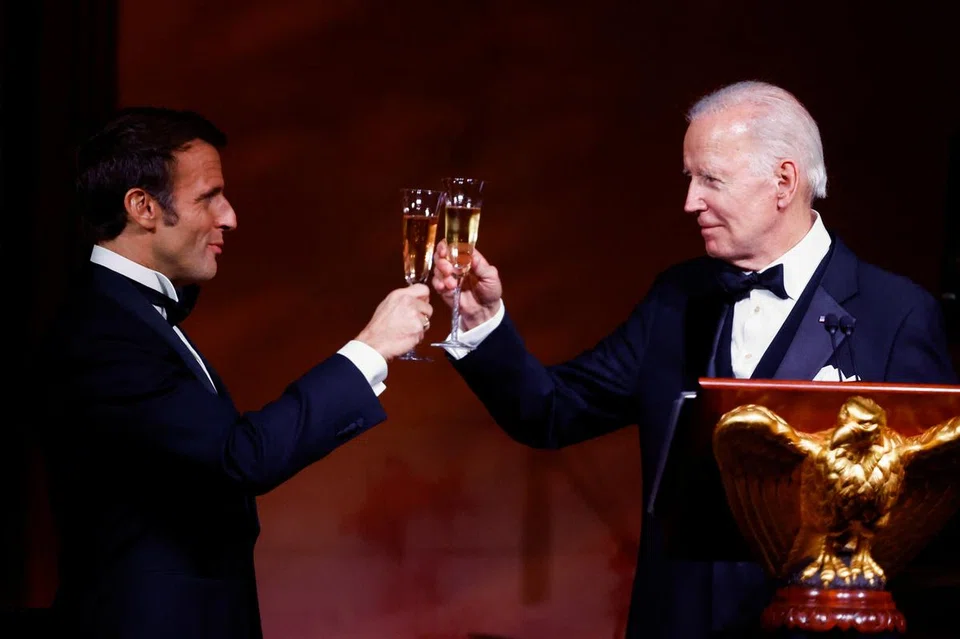
At the party attended by Hollywood and business stars, haute cuisine made for excellent optics. President Biden, a teetotaller, reportedly drank ginger ale, and Macron sipped from a flute of California brut rosé, wearing tuxedos and offering toasts to their friendship, and letting bygones be bygones.
Imagine the outcome if Biden had served hamburgers and fries to Macron.
Food is useful in domestic politics, too. In September 2022, the US Labour Secretary used food in an effort to end a crippling rail strike that could have bled the US economy at the rate of US$2 billion a day. Martin Walsh persuaded and coaxed railroad and union representatives during a 20-hour bargaining session, and as hopes for an agreement slipped away, dinner was ordered, consisting of baked ziti, salad and cannoli. Soon, Biden appeared on a Zoom call to coax the negotiators. Five hours later, a deal was struck.
Biden is an old hand at the game. In August 2011, as US vice president he impressed the Chinese public by dining at a small family-owned restaurant “Yao Ji Chao Gan” (Yao’s stewed liver sestaurant) in Beijing during his state visit. On Sina Weibo, China’s Twitter-like platform, Biden’s lunch was retweeted more than 53,000 times in a single day.
So, what is it about food that makes it an important instrument of diplomacy?
Christian Reynolds argues in his article “Diplomatic Gastronomy” that the political potency of food is no different from other sorts of power because it can be used both as hard power (via application of embargos and providing food in trade or as aid), as well as soft power (through cultural and social events). The use of food in diplomacy is an indicator of both a country’s present and its aspired level of power.
In a way, the butter-poached Maine lobster, therefore, represents an aspirational object for those involved in public life. Who gets invited to, or is left out of, a meal-event reflects the importance of the person. Getting invited is a badge of honour, and being left off the guestlist is the host’s way of belittling. Moreover, by declining an invitation or not attending, a guest can snub a host, signalling that if they cannot eat together, their relationship is a rocky one.
For instance, the Obama administration invited Iranian diplomats – and then rescinded the invite – to attend the US Fourth of July Independence Day celebrations in 2009. The invitation signified the US agenda to engage peacefully with Iran, but the State Department explained in June 2009 that the withdrawal of the invite was a symbolic step to protest Iran’s crackdown on demonstrators.
At times, the desire to impress can get out of hand. An 18-course meal at a G8 summit in 2008 on African poverty signalled a clear disconnect on the G8’s part, as the irony and inappropriateness of it all were all too glaring in the face of extreme poverty. At other times, a faux pas at an official banquet created unwanted – and somewhat enduring – diplomatic embarrassment : In 1992, felled by a stomach bug, US President HW Bush vomited into the lap of his host, the Prime Minister of Japan, Kiichi Miyazawa, at a state dinner during his visit to the country. The incident became instant fodder for headline writers and late-night TV comedians, and earned the relatively little-known Japanese PM brief fame in the United States.
The seating of diners at the table is a longstanding protocol based on the relative status of the diners. Peace negotiations and dinners between North Vietnam and the US could not begin until a mutually agreeable table shape and seat placement was settled. Reynolds explains in his article that the United Kingdom and Italian prime ministers threatened to walk out of a 2009 G20 dinner if they were not assigned seats closer to the newly inaugurated President Obama.
In their exercise of multilateral diplomacy, large dining events such as those of the G8 and G20 aim to keep all the political actors happy and correctly seated at the table. Yet, even here, the hosts may use such events to tout their own prowess. At the same time, the host would want to remain conscious of the need to efficiently use meal-events to advance their own prestige without causing any unwanted slight to a guest, or sparking a confrontation. In history, pre-revolution China’s diplomatic gastronomy offers up examples of how outsiders were humiliated, by making them kowtow to the host, and impressing them with pomp and pageantry at imperial banquets.
The historical record suggests that food diplomacy may have begun in Ancient Greece (630-480 BC), but it may have existed even earlier in unrecorded history. The rulers of the time laid out lavish gastronomic feasts to welcome foreign ambassadors, and to celebrate the homecoming of Greek envoys and emissaries.
In the modern era, gastro diplomacy is closely linked to the emergence of statecraft based in the creation of a system of permanent embassies established by Cardinal Richelieu, the chief minister to King Louis XIII of France from 1624 to 1642. Soon afterwards, culinary extravagance reached new heights under the French monarch Louis XIV, who had 324 people employed in the palace kitchens of Versailles. The French court thus became the most influential among the European judicatures.
During the Second World War, British Prime Minister Winston Churchill’s battlefield was the dining room from where he lorded over his allies and adversaries as a dinner-table diplomat extraordinaire. Cita Stelzer explains in the book ‘Dinner with Churchill’ that the UK premier believed there were few political problems that couldn’t be fixed over a meal in private company. “If only I could dine with Stalin once a week,” Churchill once said, “there would be no trouble at all”.
Stelzer describes the prime minister’s dinner parties as “an important means by which Churchill rewarded friends, won over rivals and gathered information on all subjects, from diplomatic secrets to social gossip”. Churchill had a particular fondness for Pol Roger Champagne. “A single glass of champagne imparts a feeling of exhilaration,” he said in 1898. While the Churchillian style of entertaining may be seen as excessive by today’s standards, champagne is still the preferred toast at diplomatic events.
Finally, with India holding the presidency of the G20 from December 2022 to November 2023, it can be expected that Indian food diplomacy will once again rise to the fore – and tick all the right boxes.
The writer is editor-in-chief of Rising Asia Journal www.rajraf.org






