Not your typical 80-year-olds: Why more Malaysian seniors are trading in homes for resort-style living
Mindsets are shifting as retirees across the Causeway rethink what ageing can – and should – look like


[KUALA LUMPUR] Even as people half her age might hesitate, 82-year-old Chee Shook Yin embraced change by trading her six-bedroom Bangsar bungalow – complete with the garden she once tended – for a 600 square foot apartment. In return, she found an entirely new way of living.
For more than 40 years, Chee and her husband lived in an affluent part of Kuala Lumpur, in the kind of home many Malaysians still regard as the ideal retirement trophy: spacious, familiar and fully paid-off. But over time, what once symbolised comfort became a burden.
“As age catches up, managing a bungalow with just the two of us is quite tough,” she tells The Business Times. Their children no longer live with them, and they preferred not to move in with any of them. “We prefer our own space and freedom.”
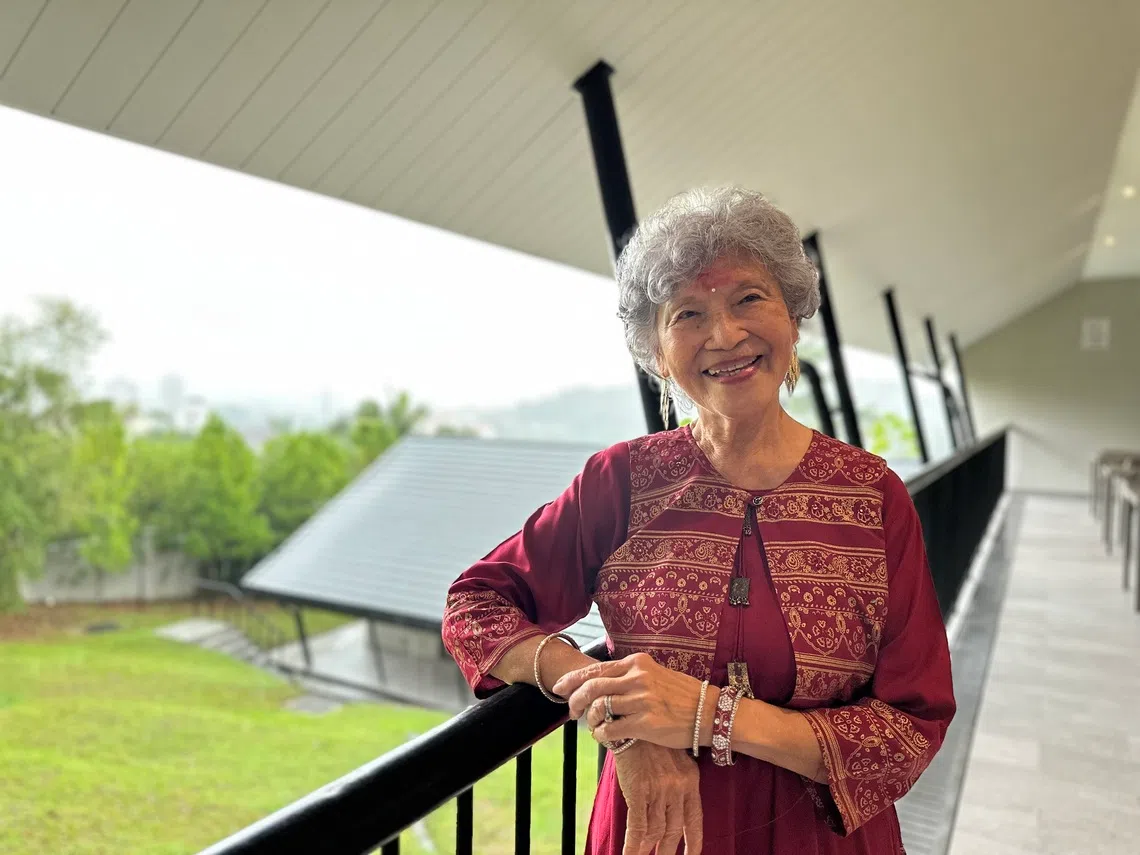
About two years ago, they made a choice that reflects a quiet shift in Malaysia’s ageing society: they downsized to a one-bedroom apartment at Domitys Bangsar, a senior-living community in the neighbourhood they have called home for decades.
The move opened a new chapter for the couple.
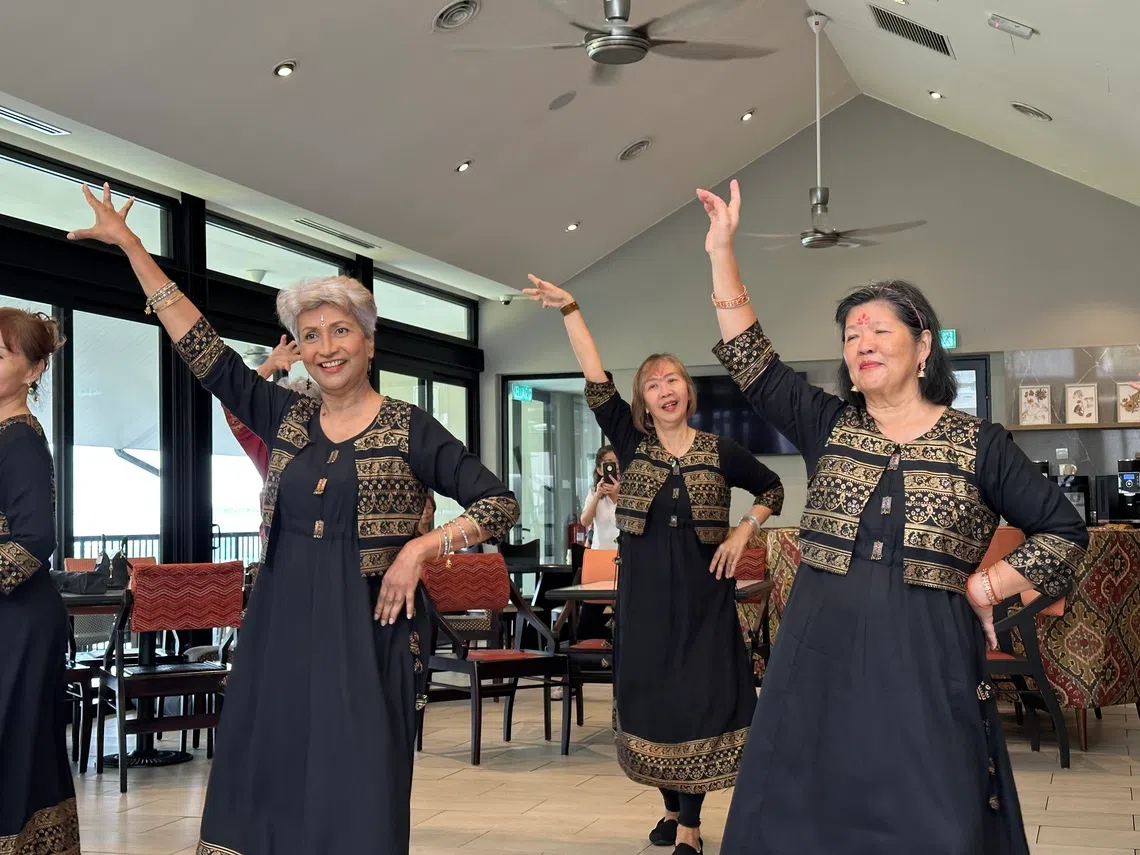
With greater financial flexibility from downsizing, the former physiotherapist spends her days line dancing, going to the gym three times a week, learning to sing with a professional coach at weekly karaoke sessions, and joining arts and crafts classes.
She goes on outings with newly made friends as her social life thrives, without having to be bogged down by housekeeping, laundry and cooking, as these are taken care of.
For Chee, senior living means independence, community and an active lifestyle in a manageable space, signalling a broader shift in how society defines ageing.
Club Med for the elderly
One such accommodation that is paving the way is the aforementioned Domitys Bangsar, managed by Ascott Malaysia.
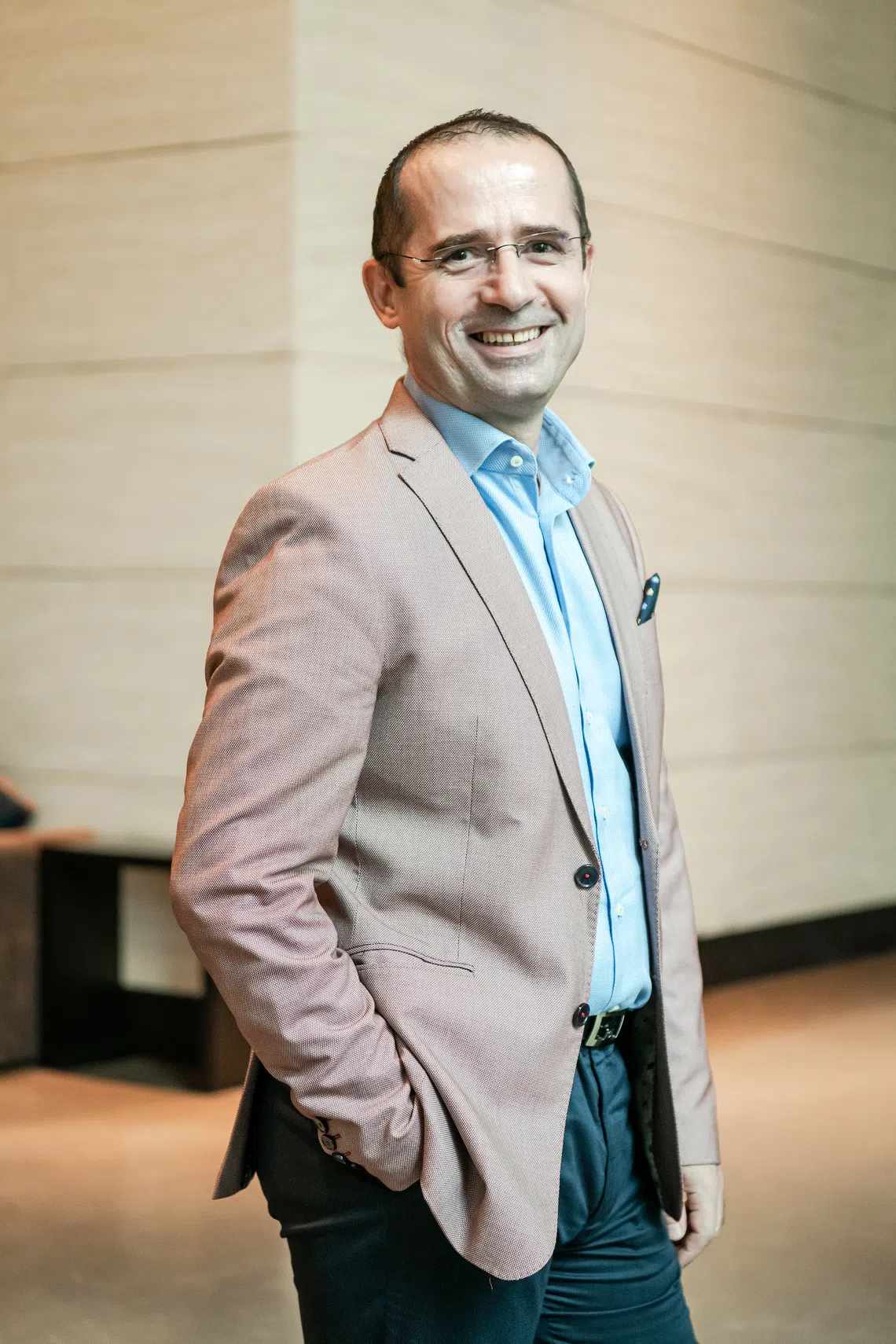
Mondi Mecja, Ascott Malaysia’s country general manager, describes the concept simply: “It’s like Club Med for the elderly – a place full of activities and choices, with hospitality elements, but where people still feel happy to live in.”
Ascott Malaysia is a subsidiary of Singapore-based The Ascott Limited, the hospitality group behind brands such as Ascott, Citadines and Somerset.
In 2019, French senior serviced residences group Domitys, which has more than 150 residences in France, Belgium and Italy, signed a joint venture with Ascott to expand into Asia. The Bangsar property – formerly Nomad Residences, a serviced apartment – was converted and rebranded as Domitys Bangsar in September 2022 and began operations the following month. It is Domitys’ first senior-living residence in South-east Asia, and was followed by a second facility in Ningbo, China, and another planned in Thailand.
Mecja says that the key is designing a space that conveys care without resembling a care facility. Unlike traditional nursing homes, Domitys Bangsar is built for active seniors. Doors are widened for wheelchair access but styled to look modern rather than clinical. Staircases are designed to be pleasant and usable even though lifts are available, encouraging residents to stay mobile if they can.
Apartments and common areas are intentionally senior-friendly yet aesthetically appealing, avoiding the impression of an “old folks’ home” while discreetly embedding safety and accessibility.
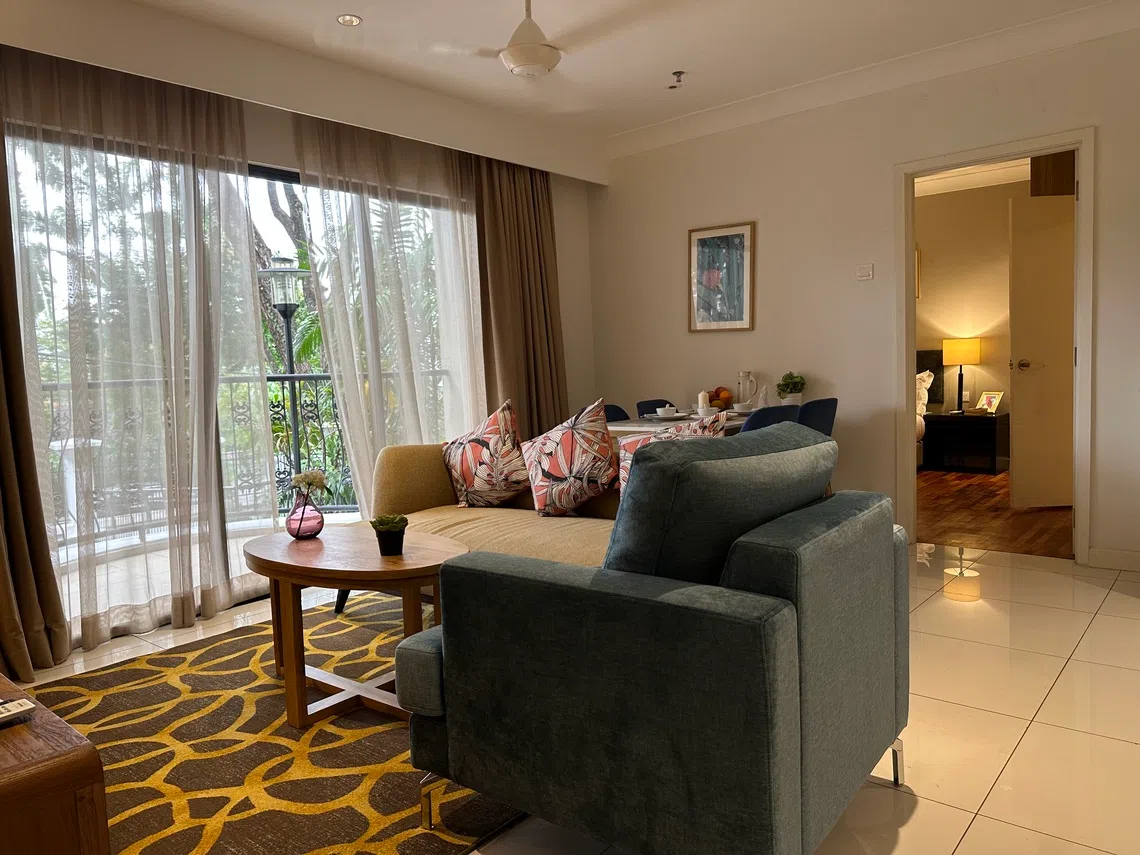
The residence offers 100 well-furnished apartments – studios and two to three-bedroom units – each with a living area, fully equipped kitchen and senior-friendly bathroom. The broader environment is resort-like, with amenities and support services that promote an active, safe and socially engaging lifestyle.
Beyond daily housekeeping and meals, Domitys runs more than 50 activities a month, including yoga, dance, zumba, painting, crafts and seminars.
The goal, Mecja says, is to keep seniors mentally and physically stimulated while creating a community where they can age happily, healthily and independently.
In Malaysia, the monthly charges for an upscale senior-living facility range from RM6,000 to RM15,000 (S$1,880 to S$4,700) per resident, or even higher depending on room types and additional services. For instance, the monthly rental for a one-room apartment in Domitys Bangsar starts at RM6,966, while a one-person room in Acacia by Pacific Senior Living starts from RM8,500.
Most conventional, non-premium old folks homes with multi-sharing rooms typically charge about RM1,500 to RM2,500 per month for basic setups in smaller towns, rising to roughly RM2,500 to RM4,500 per month in urban areas, based on online information.
Stay active, age gracefully
Domitys’ model is well-established in Europe, where active senior-living has matured into a mainstream option, and retirees often voluntarily move into such communities to start a new phase of life.
In Asia, however, the concept has been harder to introduce. “In Asian culture, you need to look after your own parents… Sending parents to a senior-living facility is often seen as unfilial and upsetting for both generations,” says Mecja.
The stereotype is still that of a traditional old folks’ home – seniors who are sick, left under nursing care in a bungalow, repeating the same routine every day: wake up, shower, simple exercise, television, newspaper, three meals, then sleep.
“Modern senior living is totally different from this,” he stresses, noting that short-stay options are available, allowing seniors and their families to try the lifestyle before committing – an attempt to ease cultural resistance.
Since opening, Domitys Bangsar has drawn around 30 residents from overseas, including foreigners from Singapore, Hong Kong, Taiwan and the UK. Around 70 per cent of the residents are locals.
Beyond locals, Mecja said they have received quite a number of inquiries from other countries, and he expects more with the Malaysia My Second Home programme providing a long-stay pathway.
Domitys is already planning to expand in Malaysia. A new senior-living facility is set to open in Kota Kinabalu, with Penang and Johor Bahru identified as the next potential markets. Developers and building owners have started approaching Ascott to partner on senior-living projects, as demand for such facilities increases.
When hospitality meets healthcare
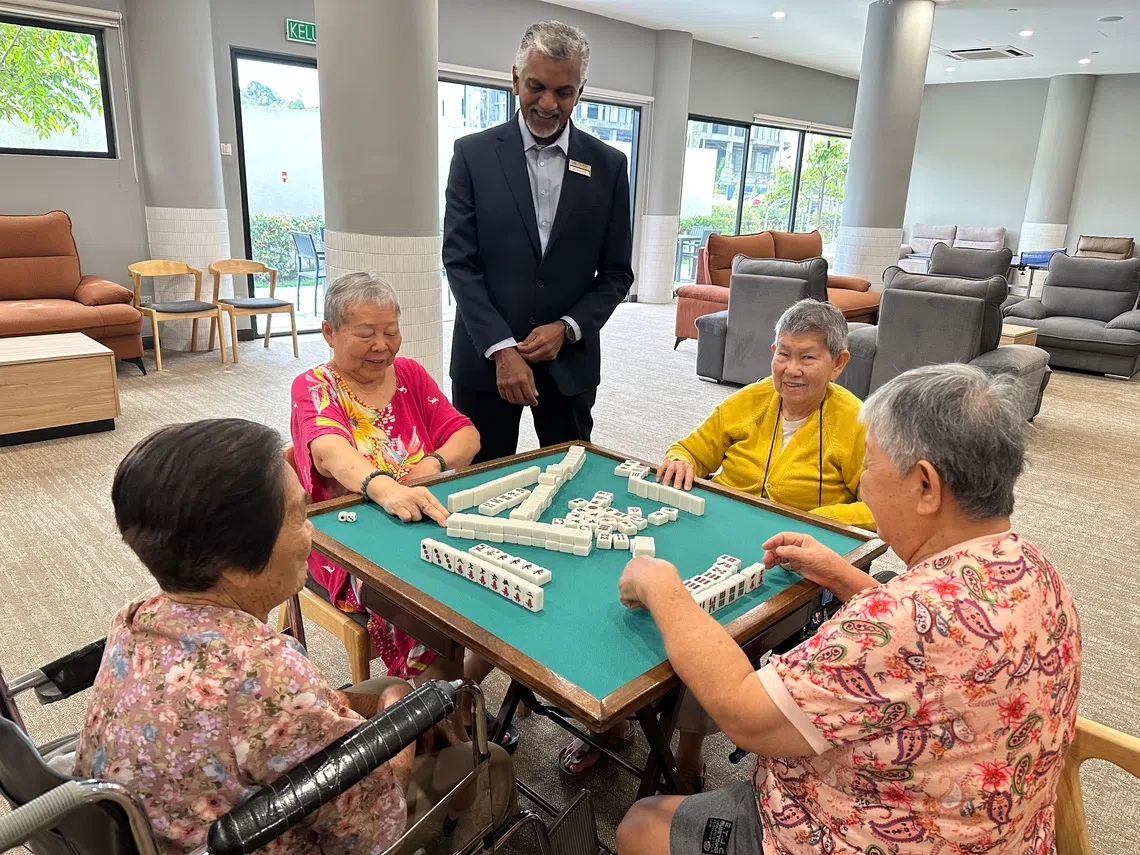
If Domitys represents the “active, independent living” end of the spectrum, Acacia by Pacific Senior Living in Klang illustrates how hospitality, healthcare and long-term care can converge in a more clinical but still resort-style setting.
Acacia is the first Malaysian facility under Pacific Senior Living, a senior-living and care operator that is part of the global Columbia Pacific Management group based in Seattle. Columbia Pacific Management has decades of experience in senior living, operating in the US, China and India – and had created the Columbia Asia hospital network in Asia.
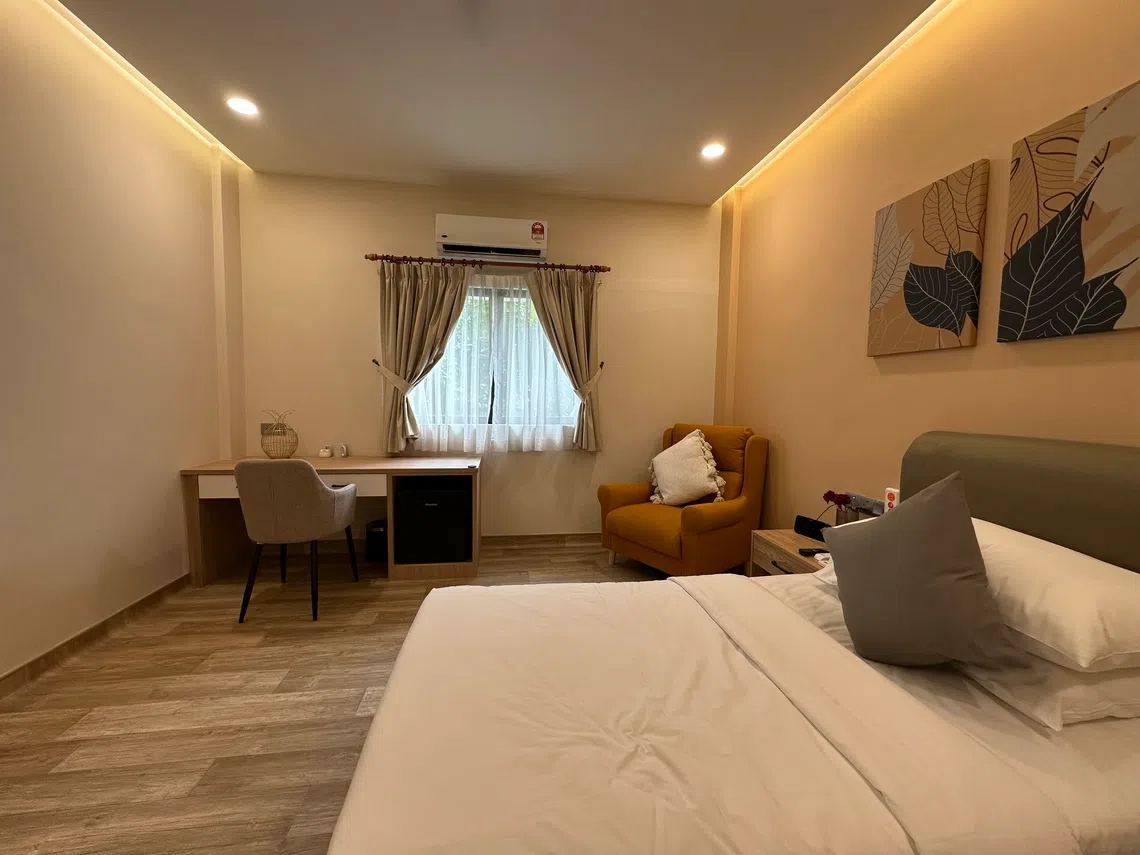
In Klang, Selangor, the group retrofitted the former Merrida Hotel into a senior-living residence with 136 fully furnished rooms. The result is a property that looks and feels more like a resort than an institution, but is equipped for eldercare.
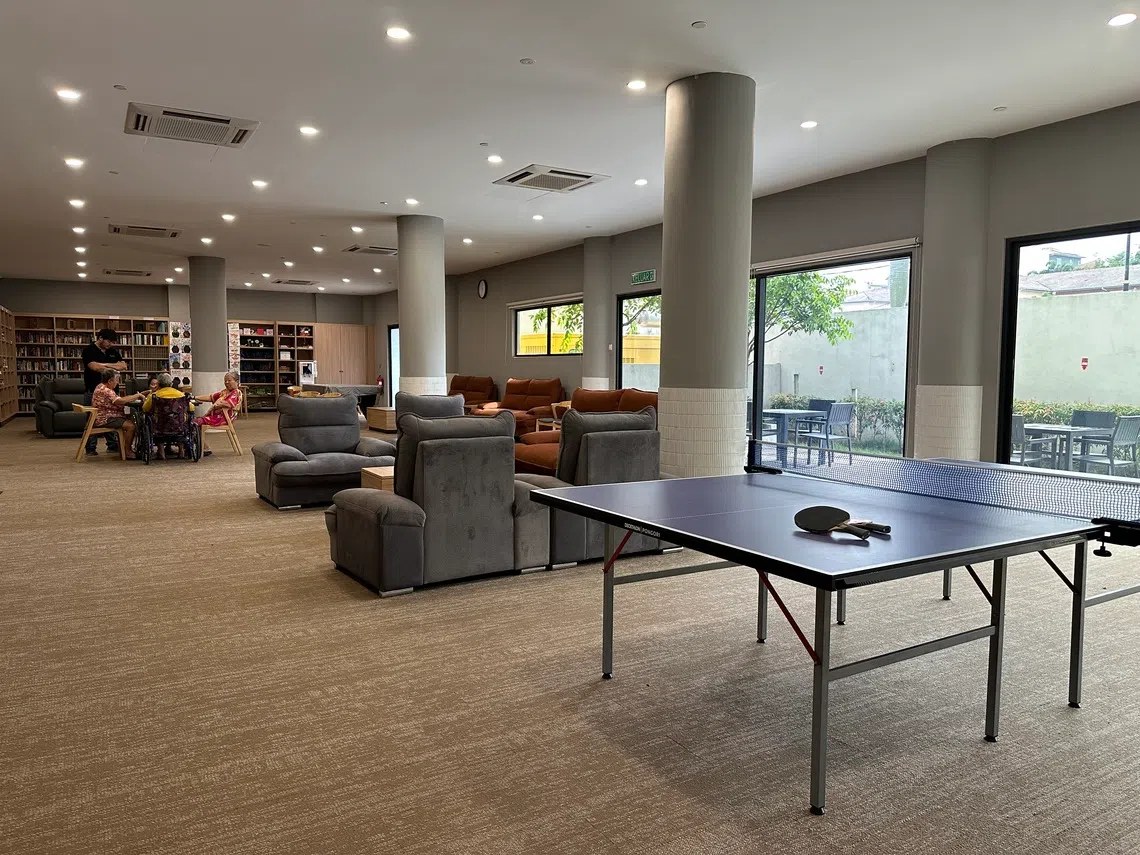
Each floor is fully wheelchair accessible, with senior-friendly safety features such as emergency call bells and handrails in corridors and bathrooms. There is a swimming pool and a heated jacuzzi, gym, mini theatre, cafeteria and dining areas on the ground floor and first floor, creating multiple spaces for residents to mingle and dine together. A physiotherapy room offers exercises to help seniors maintain muscle strength.
Although there are 136 rooms, Acacia can accommodate around 144 residents, including some who stay with family members. In one case, a 60-year-old daughter moved in with her 90-year-old mother.
There is also a daycare service, which allows working children to drop off their parents during the day and pick them up after work – an inversion of the childcare model.
For higher-risk residents, rooms can be fitted with artificial intelligence-driven systems to detect and prevent falls, sending alerts to staff. Over the past two years, Acacia has handled around 360 admissions with different needs, and demand is rising.
Loneliness is the real disease
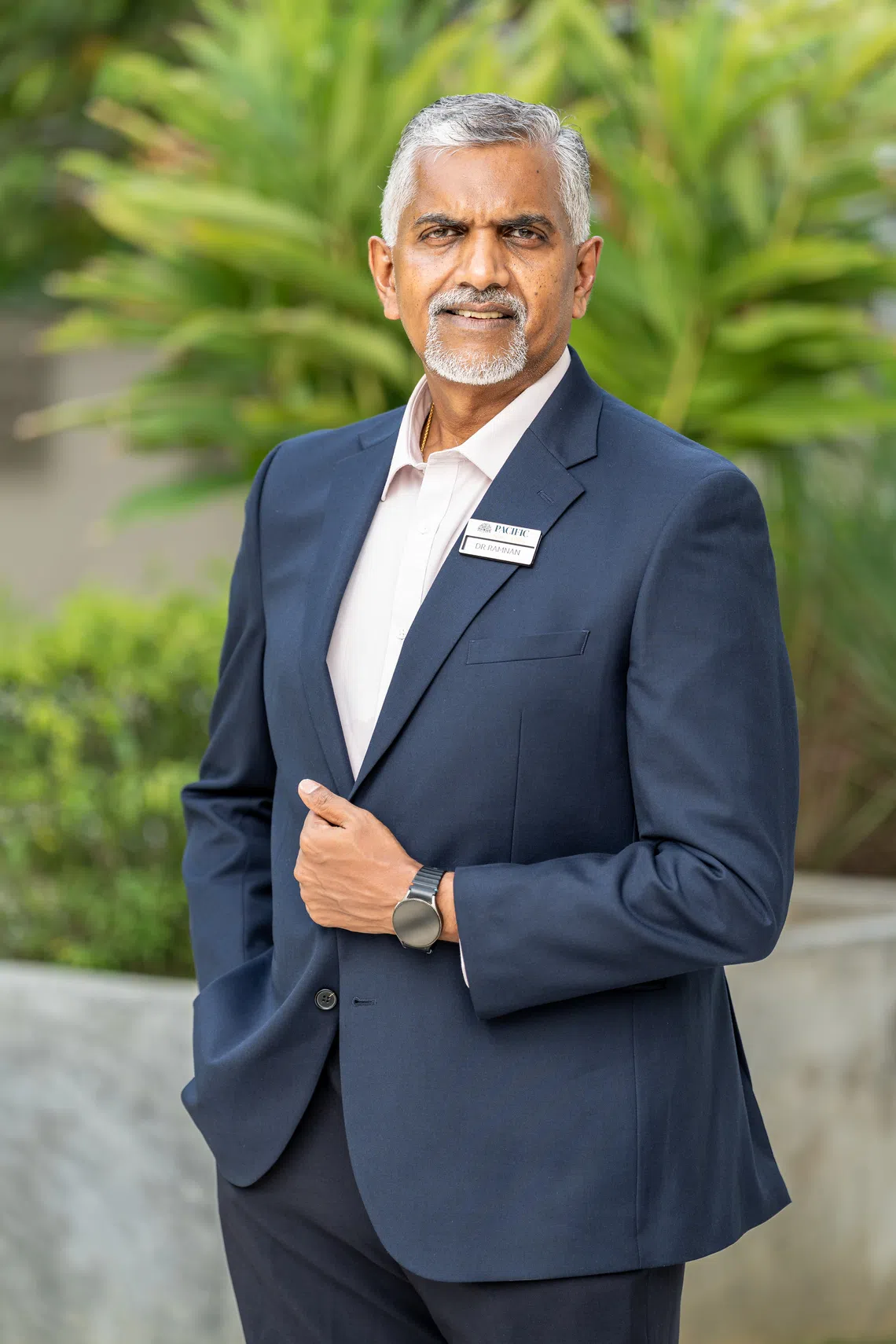
Dr Ramnan Jeyasingam, CEO and director of health services at Pacific Senior Living, has worked in long-term care since 2001, dealing mainly with elderly and severely disabled patients. For him, the biggest threat to seniors’ well-being is not just physical illness but loneliness.
His own mother, who has diabetes, osteoarthritis and osteoporosis, lived alone after his father passed away and refused to hire a maid or caregiver.
“She told me she ate, but I could see she was losing weight,” he says. Every few weeks, she would call him asking for antibiotics for urinary infections. Eventually, he discovered the cause: she was afraid to go to the toilet at night after a previous fall, so she avoided drinking water and delayed going to the bathroom – triggering recurrent infections.
When she moved into Acacia, the infections stopped. She now calls staff for help at night without fear.
“Parents are all alike. They need help but they find it hard to ask. They don’t want to trouble their children, and most don’t like (having) a caregiver or maid at home,” he tells BT.
Senior-living communities fill that gap, allowing older folks to live semi-independently with support and companionship nearby.
“Most seniors say, ‘I’m okay, everything is fine.’ But we need the wisdom to see when ageing at home is no longer sustainable,” he says.
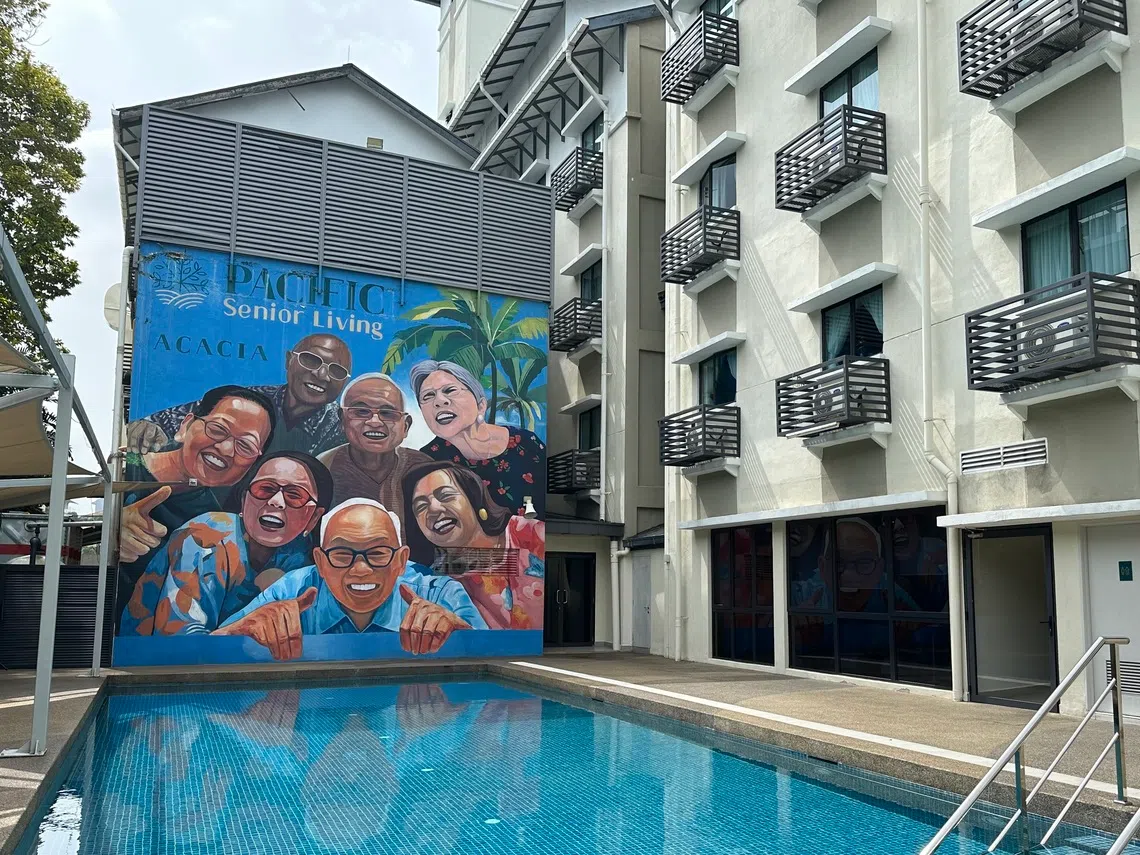
At Acacia, residents get more than safety. They gain social connection. Gesturing to a group of seniors playing mahjong during the interview, he adds: “Those ladies won’t get this at home. Children go to work, grandchildren go to school. Here, they have companionship.”
It also provides eldercare support – nurses, a weekly visiting doctor and physiotherapy sessions – along with specialised equipment that would be costly to replicate at home.
The toughest challenge, Dr Ramnan says, is manpower. Recruiting and retaining skilled staff is difficult, and labour makes up at least half of operating costs due to the service-heavy nature of the business.
All caregivers at Acacia are Malaysians, which helps with communication and cultural understanding. Still, not every senior is suitable; those with severe disruptive dementia may need specialised care elsewhere.
A new life for old buildings
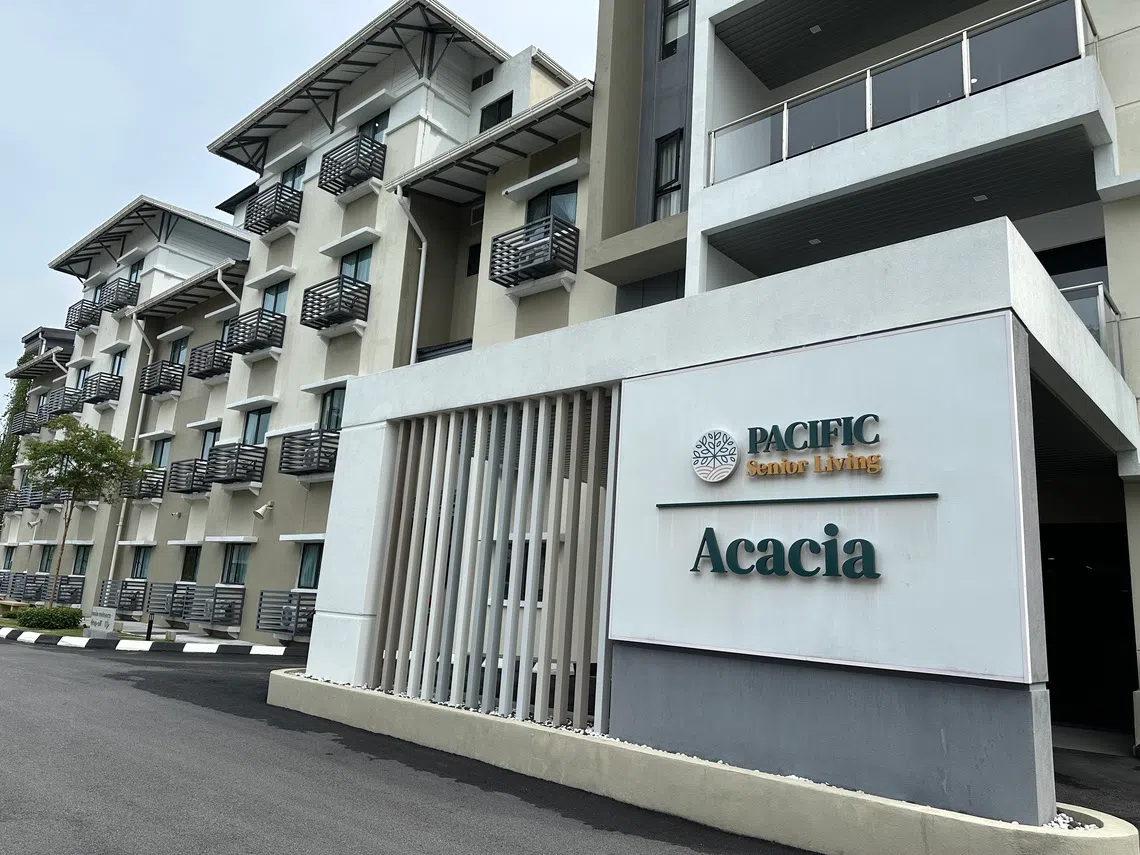
One thing interesting about Malaysia's senior-living sector is that many facilities are redeveloped from existing assets. Acacia in Klang used to be a hotel; Domitys Bangsar was a serviced apartment.
This points to a broader opportunity, says Samuel Tan, founder and CEO of Olive Tree Property Consultants. The adaptive reuse of commercial buildings – particularly underutilised office blocks and shopping malls after Covid-19 – is emerging as a promising strategy in Malaysia, even if local case studies are still limited.
“By converting such properties into residential or specialised uses like senior living, developers can address oversupply and revitalise urban centres,” he adds.
For this to gain traction, Tan believes the government must play a pivotal role with supportive policies and financial incentives, such as historic tax credits used in other countries.
While operators did not disclose financials, signs point to strong early traction. Domitys Bangsar has attracted both local and foreign residents within two years of opening, while Acacia has recorded 360 admissions at its Klang facility alone since it started operations in November 2023 with only four residents.
Dr Ramnan says revenue has “grown in line with occupancy” and there has been other ancillary services including physiotherapy as well as food and beverage, which also add to the topline. Revenue per resident ranges from RM7,500 to RM10,000 a month based on various packages and services.
Indeed, both Acacia and Domitys are already planning multi-state expansions. Tan says this rapid scaling, combined with growing investor interest, suggests that upscale senior-living is moving from a niche concept to a commercially viable sector.
Tan adds that retirees today show a growing inclination towards choosing independent living arrangements rather than depending solely on their family. This is driven by a desire for active community-focused lifestyles, and supported by a range of new housing options designed for older adults.
“Homes in (a) senior-living community relieve them of daily chores, provide senior-friendly design and 24-hour security, and help them build non-familial support networks – especially important for ‘solo agers’ without close kin,” he says.
He observes that Malaysia’s senior-living sector is drawing growing interest from abroad, particularly from Singapore, Japan, Korea and parts of the Commonwealth and South Asia.
The appeal, Tan says, comes from a compelling mix of affordability, strong medical infrastructure, modern connectivity, widely spoken English, and a culturally rich, lifestyle-oriented environment.
Investors taking notice
Across the country, a new ecosystem of senior-living concepts is forming. For instance, GreenAcres in Ipoh, one of Malaysia’s earlier purpose-built retirement communities, offers single-storey, gated and guarded villas on a 13-acre site, with senior-friendly design features and a refundable “lifetime lease” deposit model.
Millennia Village in Seremban, developed by the family behind semiconductor company Unisem Group, positions itself as a large-scale senior-living and wellness resort, marrying resort ambience, eco-sensitive design and an active-ageing ethos.
These sit alongside newer projects from developers such as Gamuda, Sunway, UOA and IGB, which are pivoting towards retirement and aged-care offerings within broader townships or healthcare-led mixed-use developments.
Senior living has emerged as an institutional asset class in Australia, Japan, UK as well as the US, and Malaysia is now drawing similar attention.
In Australia, super funds own major retirement village operators, while in Japan, healthcare and senior-care real estate investment trusts hold portfolios of nursing homes and senior housing.
Singapore-listed global real asset manager CapitaLand Investment also launched the CapitaLand Wellness Fund, an inaugural real estate fund focused on wellness and healthcare-related assets.
In Malaysia, pension funds such as EPF and Retirement Fund (Incorporated), have already invested in real estate and infrastructure. Early this month, Retirement Fund (Incorporated) announced a collaboration between its property development arm KWEST and Penang State Islamic Religious Council to develop a retirement-oriented pilot project in Penang mainland. Meanwhile, EPF has committed up to RM250 million to catalyse mid-to-growth stage companies. A key focus of this forward-looking investment strategy is the aged-care and silver economy sector, underscoring its commitment to the senior-living market.
An ageing nation, a growing segment
Demographically, Malaysia is moving quickly towards being an aged nation. Acacia’s Dr Ramnan notes that the country’s real challenges will likely start around 2030. Based on the latest projections by the Department of Statistics Malaysia, Malaysians aged 60 and above could make up around 17 per cent of the population by 2040.
Some states are already there. Selangor’s senior population stands at 21.6 per cent, while Johor and Sabah have around 12.3 per cent and 11 per cent, respectively.
These are precisely the markets Pacific Senior Living and Domitys are eyeing for expansion, especially Klang Valley and Johor Bahru, where both demand and urban infrastructure are strong.
The idea that modern senior-living communities are only for the wealthy still lingers in Malaysia, but Ascott’s Mecja believes this mindset will shift as ageing Malaysians reassess what they truly need in later life.
With many retirees holding substantial EPF savings and owning fully paid homes, he argues they will increasingly have the option to right-size their lifestyle.
“We are not encouraging people to sell their house and live in a senior-living community, but when the time comes, maybe it’s worth rethinking whether this is the life we want – living alone in a big house, or downsizing into a manageable unit with hospitality services and more time for the things you always wanted to do,” says Mecja.
Acacia’s Dr Ramnan expects demand for premium senior-living to grow in proportion to the overall ageing population. Not everyone will choose high-end facilities, but there will be a segment – much like business-class passengers in air travel – who want and can afford better services.
Pacific Senior Living aims to sit in a “premium economy” space: more accessible than ultra-luxury options, but clearly above basic institutional care. Interestingly, younger visitors are already showing up at Acacia. “We find a lot of people in their 50s or 60s visiting the place,” he says. “They look very healthy. When we ask if their mother needs something, they say, ‘No, I’m planning for my future.’ So the mindset will change. It might take some time, but definitely yes.”