Nothing would say forgiveness like an Ant Group IPO
The debut of Alibaba’s fintech unit was one of the most-anticipated before it was cancelled two years ago. A revival could be the clearest sign yet of regulatory easing.
NOW that Alibaba Group has split into pieces, the race is on to see which of its six Baby Babas will be first to list shares on a public bourse. After years of scrutiny, including a record fine, an initial public offering (IPO) for any of Alibaba’s divisions would act as a de facto thumbs up from Chinese regulators. The real prize, though, would be the public sale of gargantuan affiliate Ant Group.
Alibaba’s grocery chain Freshippo is working with China International Capital Corporation (CICC) and Morgan Stanley to prepare for a Hong Kong listing, Bloomberg News reported last week. The unit was valued at around US$10 billion in January 2022, when it was considering a new round of funding. This figure may have fallen or risen since then, but is minuscule compared to that of other divisions.
Under the old structure, this retail business was part of the China Commerce group, which became the Taobao Tmall Commerce Group after the split announced in March. Taobao Tmall was the only division not given the freedom to immediately spin off and IPO, though it appears that sub-units can do so – which means that Freshippo may become the first.
Likely to beat Freshippo to public markets is Cainiao Network Technology, the logistics arm and backbone of Alibaba’s delivery strategy. Within days of the restructuring being outlined came news that this business could list as early as the end of 2023, with CICC and Citigroup engaged in the sale. Cainiao is valued at around US$20 billion, Bloomberg News reported in March, which would make it one of the group’s smallest units.
“Unlocking value” is the mantra being used to explain management’s surprise decision to break up Alibaba: Each division is likely to add up to a market capitalisation that exceeds the group as a single entity. That may not be wrong, and is usually the excuse for companies to split into multiple units. Yet its huge size, increasing scrutiny from regulators, and Beijing’s antipathy towards big, powerful Internet companies make the move even more important.
Two years ago, Alibaba was handed a US$2.8 billion fine for antitrust behaviour surrounding its policy of forcing merchants into exclusive listings on platforms. With that penalty paid and the company pledging to mend its ways, we could expect the government to move on.
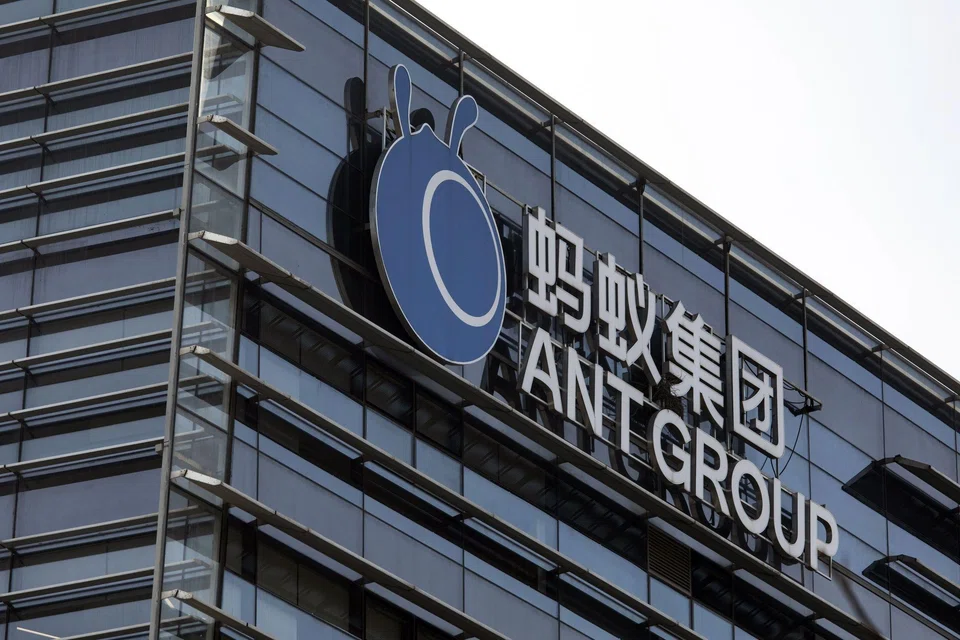
But then there’s still the matter of Ant Group. Originally known as Alipay, the fintech business was spun out of Alibaba more than a decade ago, and has since expanded to include insurance, investment products and loans. Its US$35 billion IPO slated for November 2020 was set to be the biggest of all time. Then, founder Jack Ma gave his now-infamous speech in Shanghai criticising regulators, who retaliated by nixing the debut, while Ma himself disappeared from the limelight.
Within months, multiple agencies were involved in probing that listing, including the speed with which it was approved. In November, a year after the cancellation, the People’s Bank of China was preparing to hand out a US$1 billion fine for alleged violations relating to a “disorderly expansion of capital”, Reuters reported. Last week, the news agency said that the charges and the punishment were set to be watered down to around US$700 million.
The size of the penalty doesn’t mean much, given the huge amount of cash Ant will raise from retail and institutional investors eager to get their hands on China’s hottest fintech IPO.
What matters most is that the investigation is brought to a close and disciplinary measures meted out quickly. Having China’s central bank, the antitrust regulator, and other members of Beijing’s bureaucracy sign off on the final punishment clears away the uncertainty like a dark cloud dumping rain.
Additionally, recent delistings ordered by the China Securities Regulatory Commission highlight the zero-tolerance approach the government is taking to IPO fraud, which will force companies and their bankers to proceed more cautiously. We can assume that its investigation into Ant includes a thorough audit of the fintech’s finances, which means the path to listing ought to be smooth.
Hong Kong could do with the boost. Listings by deal count and value both slumped last year to the lowest levels in a decade, as continuing Covid-19 disruptions and regulatory uncertainty put fundraising on the back-burner. The figure could top US$40 billion this year, boosted by various Baby Baba debuts and two divisions of JD.com, based on Bloomberg Intelligence estimates.
There’s a slim chance an Ant listing would make it onto this year’s slate – global economic uncertainty and continuing tensions with the US shouldn’t be discounted when the company and its bankers plan their fundraising move. But getting the process underway would be a signal that big-tech IPOs are back in favour, which may bring forth other deals. For Alibaba and Ant, putting the drama of the past few years behind them would be the most helpful development they could possibly enjoy. BLOOMBERG