Opec+ faces a new problem – a Texas gas pipeline
The new path to market for Permian Basin shale gas could foil oil producers’ plan to curb output
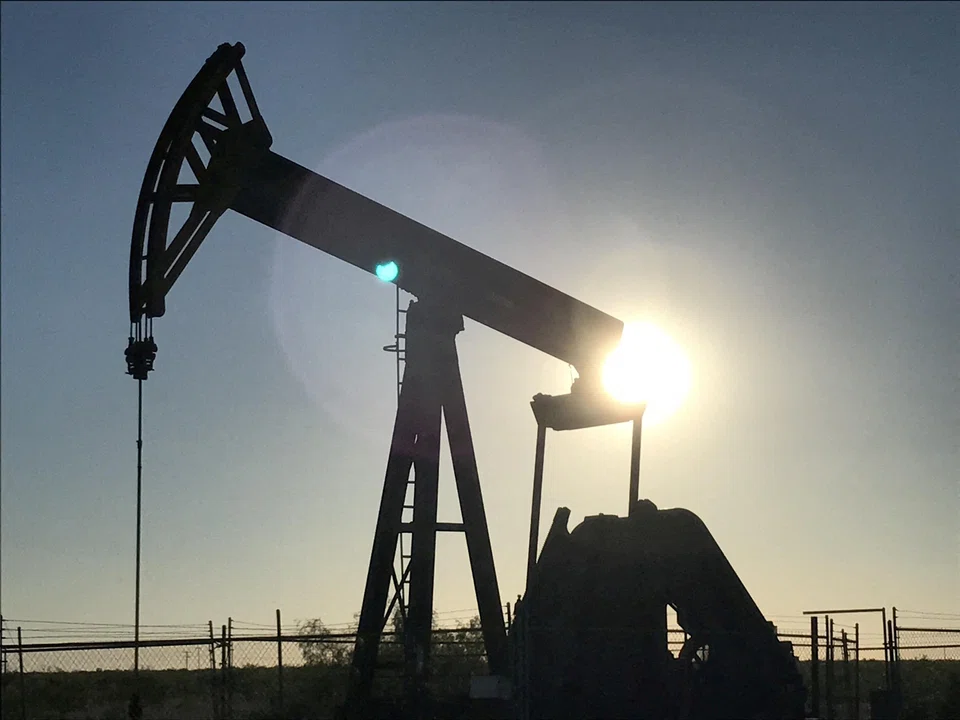
NOW is the moment when common sense says the US shale industry should be slowing. With oil prices plunging 25 per cent over the last year, you would expect companies to react by cutting drilling. Yet American oil output growth is about to re-accelerate.
The burst of activity would come at an awful time for the Organization of the Petroleum Exporting Countries and its allies (Opec+). Saudi Arabia and Russia – which lead the oil cartel – are already wrestling with an oversupplied market, particularly in early 2025.
The reason why US crude production would apparently defy the cyclical nature of the commodity market has little to do with supply or demand for oil itself. Instead, it is all about natural gas.
Let me explain. When shale companies drill in the Permian, the energy-rich region that stretches from West Texas into south-east New Mexico, they typically pump some natural gas alongside the oil. The production of that so-called “associated” gas has more than trebled since 2018, overwhelming local demand and pipeline capacity.
The result? Natural gas prices in the Permian have plunged, so much so that producers had to pay consumers to get rid of the molecules.
Cheaper than nothing
The problem of negative prices, as the situation is known, is not new. The Permian has suffered them occasionally over the last few years. But since early 2024, negative prices have become the norm, and the price hole has only deepened as the year progressed.
Gas prices at Waha, an important trading hub in the Permian, have been below zero for 46 per cent of days so far this year, including almost every day since Jul 26, indicated data from Natural Gas Intelligence.
At the low point this month, Permian energy companies were forced to pay a record of nearly US$5.20 per million British thermal unit (Btu) to give away their gas. In contrast, a year ago, shale companies received about US$2 per million Btu of gas.
Eager to avoid paying record amounts to sell their gas, shale companies have slowed how many new wells they bring into production. Some companies have gone as far as shutting down existing wells for good.
“We kind of even curtailed a little bit of oil to make sure our gas production was a little bit lower in the quarter, which we kind of have continued in the third,” Travis Stice, chairman and chief executive officer of shale producer Diamondback Energy, told investors last month.
As a result, Permian oil production has not grown as much as expected, particularly during the second quarter of this year.
That is now about to change. Enter the Matterhorn Express Pipeline, a new 933.4 km tube running from the Permian into the outskirts of Houston, able to carry a good chunk of the region’s gas output.
The new conduit, which will start pumping in the next few weeks, will allow companies to move their gas into the demand centres alongside the US Gulf of Mexico, boosting regional prices. Two other pipelines are expected to come on stream in 2026, and a third in 2027.
Pumping ahead
For now, Matterhorn is the key. When it starts pumping commercially, Waha gas prices should recover, giving shale companies a boost. In turn, these companies will bring online some of the new wells they had delayed and end the curtailment of existing wells.
That will drive up oil production during the fourth quarter of 2024 and the first quarter of 2025, executives said.
The size – and the sustainability – of the boost remains unclear because it would collide with other forces shaping the market: lower prices.
Still, it is reasonable to expect that US total oil production, which was pegged at 20.2 million barrels a day in July – the last month with reliable data available – could go up to 20.4 million to 20.5 million by the end of the year.
If it hits that level by December, that would put US total oil production about 400,000 to 500,000 barrels a day higher than in December 2023.
The Permian activity burst may fade quickly if US oil prices remain below US$70 a barrel, as they are now. For oil companies, the beauty of shale is that they can adjust spending quickly to varying market conditions – the opposite of Big Oil’s megaprojects, which take years, if not decades, to build. But at least for a few months, Permian gas could complicate Opec+’s effort to control the market. BLOOMBERG