Plastics failure is a canary in the climate coalmine
It’s easy to blame Opec and its allies, which act as wreckers on environmental deals. It’s harder to do the work at home to eliminate polymers from our lives
YOU might have missed it amid the noise of the Trump transition and the sound of the European and Japanese auto industries collapsing. But the failure of an obscure United Nations meeting in South Korea at the weekend is a sign of how the entire edifice of environmental diplomacy is creaking.
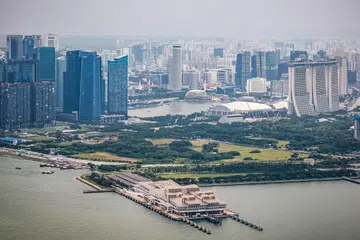
The meeting in the port city of Busan was intended to hammer out the text of a treaty to prevent plastic pollution, ahead of a planned summit to formalise the agreement next year. It would then join existing UN conventions on biodiversity and the ozone layer – along with by far the most well-known such institution, the UN Framework Convention on Climate Change, or UNFCCC.
It’s common to treat these meetings as meaningless talking shops, but that’s not right. We have already measurably slowed global warming and prevented millions of cancer deaths thanks to the 1987 Montreal Protocol on ozone-depleting chemicals. Policies enacted under the UNFCCC helped push carbon emissions about 12 per cent below the direction they were headed in 15 years ago.
These meetings wouldn’t be so contentious if they didn’t have real-world consequences. A single UN member country can block the entire process, and nations that benefit from the status quo have every reason to exercise their vetoes.
The effects were on display at the United Nations Climate Change Conference (COP29) last month. It was hosted in the authoritarian petrostate of Azerbaijan due to a round of pre-meeting haggling causing most democratic leaders to avoid the event. Host country president Ilham Aliyev used the platform to launder culture-war tropes about “Western fake news” and petroleum as a “gift of God”, and eventual texts downplayed hard-won references to fossil fuels in the previous year’s decision.
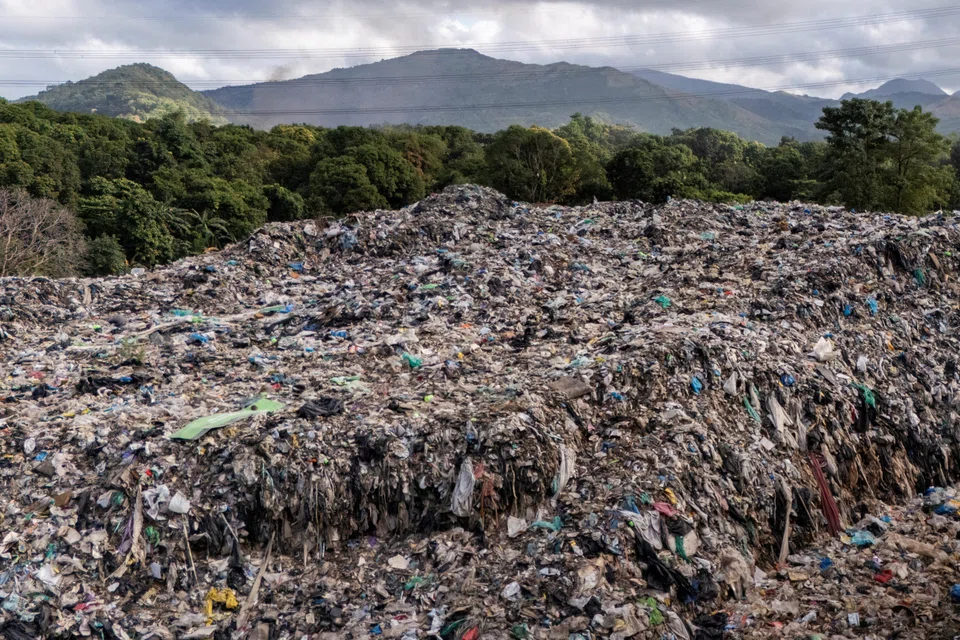
The plastics meeting ended in even more disarray. The entire process began two years ago with a UN resolution titled “End Plastic Pollution”, but after hundreds of hours of discussions among more than 3,360 delegates, the thicket of qualifications and parentheses in the final text couldn’t even commit to the idea that “ending” plastic pollution was still a worthwhile goal. They’re going to have to hold another meeting in six months or so to complete the work that wasn’t done last week.
“We are still enmeshed in a sea of brackets, disagreements, misinformation and obstructions perpetuated by a handful of countries,” wrote Aileen Lucero, a spokeswoman for the International Pollutants Elimination Network, a group that lobbies against hazardous chemicals.
There is certainly something to that assessment. The Organization of the Petroleum Exporting Countries (Opec) and its allies have acted as wreckers in recent environmental conferences. That’s hardly a surprise, given their economic dependence on fossil fuels that are the most direct threat to the global environment. The US – which already produces more oil and gas than any Opec member, and is now transitioning to an even more flagrantly pro-fossil fuel Trump administration – is rarely a reliable ally.
And yet that thinking absolves other countries of the responsibility to seriously consider the radicalism that goals such as zeroing out emissions and ending plastic pollution will require.
In the case of climate change, we are in the midst of an industrial revolution where clean power from solar panels, wind power, batteries and electric vehicles is clearly superior in both economic, health and environmental terms of conventional fossil technologies. Even there, however, it’s a struggle because of the weight of path dependency and risk aversion. Rich democracies often find it easier to outsource their climate policies to the obscurity of UN processes rather than do the truly hard but effective work at home of cutting through red tape, directing subsidies where they’re needed, and alienating vested interests.
Plastics are an even harder nut to crack. Oil exporters are right to point out that we haven’t yet found viable substitutes for most of them, a dramatic contrast to the situation with fossil and clean energy.
They’re putting their money where their mouths are, too. Investments in upstream oil and gas are still falling well behind the bullish talk you’ll hear from the industry, because producers can see that the rise of electric vehicles and renewable power means demand for petroleum is peaking and will never recover. Investments in refineries that can convert those hydrocarbons into plastics, however, have been booming at an unprecedented rate, because the same industry can see that polymers are a rare source of ongoing demand.
The capacity for producing ethylene, the most important polymer feedstock, is rising at 4 per cent a year, even as output of crude oil is struggling to return to its 2018 peak. The Organization for Economic Cooperation and Development expects plastic demand to rise 60 per cent by 2040.
Tackling that is where the real hard work needs to be done. You might lament the failure of UN delegates to come up with a text in Busan. That’s nothing compared to the challenge you and I face, however, in eliminating plastics from our everyday lives.