

Policymakers’ green-tech fantasy
The idea that renewables-related industries could form the foundation of a major economy is unrealistic
 Add BT as a preferred source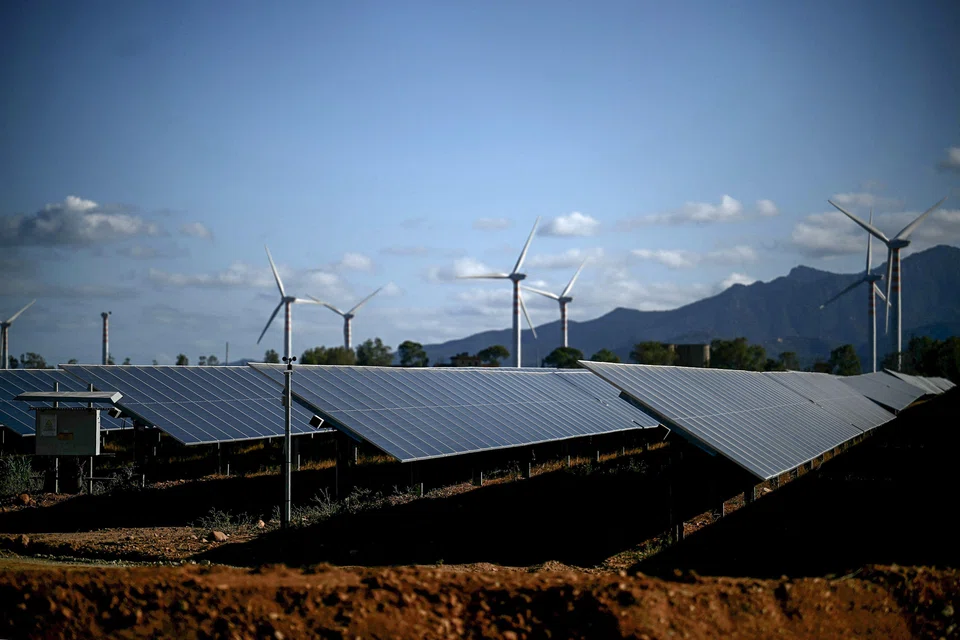
US PRESIDENT Joe Biden’s administration included generous green subsidies in the Inflation Reduction Act, which aims to build a “clean-energy economy powered by American innovators”. Former European Central Bank president and Italian Prime Minister Mario Draghi has delivered an influential report to the European Commission arguing that the European economy’s future depends on a dual competitiveness and decarbonisation strategy. And China has invested heavily in turning the “new three” industries – solar photovoltaic, lithium-ion batteries, and electric vehicles (EVs) – into export engines.
The details are different, but the underlying idea is the same: Supporting high-tech green industries is the key not only to a sustainable future, but also to a prosperous one. But how credible is this logic? Can a large economy like the US, the European Union (EU), or China really be built on a foundation of green tech?
Probably not. For starters, energy represents only a small share of these economies, and in most industries, energy amounts to just 2 to 5 per cent of total costs. Of course, that share is much higher – more than 10 per cent – for certain energy-intensive sectors, such as cement, iron and steel, and building materials. But these sectors are unlikely to contribute much to an economy powered by green tech.
TRENDING NOW

SIA sinks into the red with S$76 million Q1 loss as fuel costs jump
15-month wait-out curb lifted for private property owners buying HDB resale flats

Singapore banks’ battle for wealth talent goes beyond private bankers

New career paths, deeper client bonds: How SME founder made AI serve her employees, not replace them

