Qatar has much to gain from Trump’s Gaza peace plan
Regardless of the outcome, the emirate is poised to leverage its unique position to expand its influence
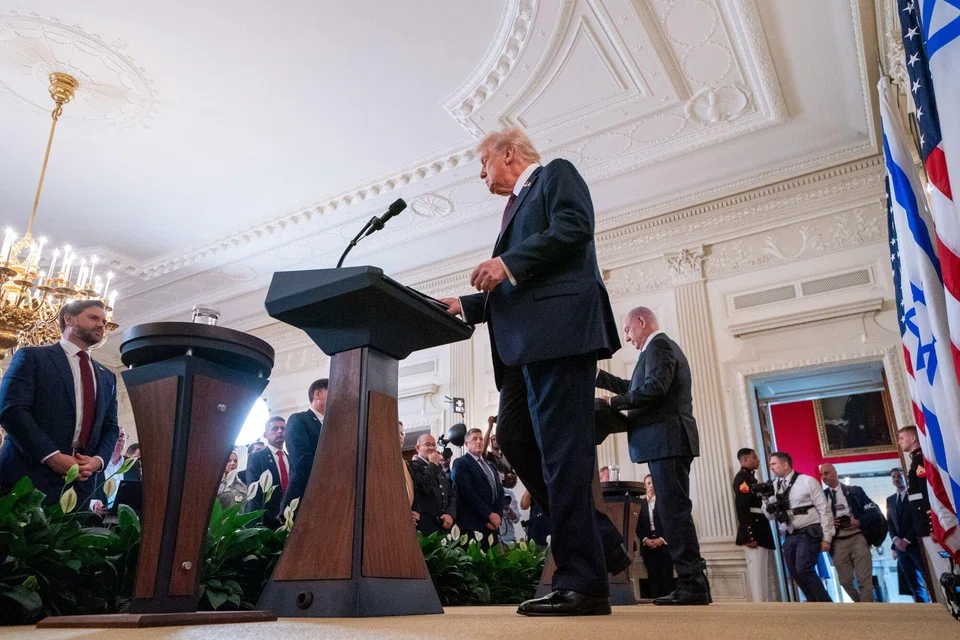
US PRESIDENT Donald Trump’s newly unveiled 20-point plan to end the war in Gaza presents a significant diplomatic opportunity for Qatar, positioning the Gulf state as a central player in Middle Eastern peace negotiations and potentially delivering substantial geopolitical and economic benefits.
The timing of Trump’s plan offers Qatar a pathway to diplomatic rehabilitation after a period of strained relations. Qatar is among the eight governments that have published statements supporting Trump’s proposal, marking a notable shift in its engagement with the Trump administration.
This endorsement allows Qatar to align itself with major regional powers, including Saudi Arabia, the United Arab Emirates, and Egypt, while maintaining its distinctive role as a mediator with Palestinian factions.
For years, Qatar has cultivated relationships with Hamas leadership based in Doha, a position that has drawn criticism but also made the emirate indispensable in ceasefire negotiations.
Trump’s plan implicitly validates Qatar’s mediator role by requiring Hamas engagement for the proposal’s success, while simultaneously offering Qatar cover to distance itself from more controversial aspects of that relationship.
The plan gives enough assurances for Qatar to fall into line with key Gulf power brokers, allowing Doha to reframe its relationship with Hamas: less as one of ideological solidarity and more of a necessity for negotiation.
Economic opportunities in Gaza’s reconstruction
The economic dimensions of Trump’s plan present extraordinary opportunities for Qatar.
It calls for creating a Trump economic development plan involving “a panel of experts who have helped birth some of the thriving modern miracle cities in the Middle East”, and Qatar’s track record in rapid urban development makes it a prime partner for Gaza’s reconstruction. The emirate’s expertise in building modern infrastructure has been demonstrated through its World Cup preparations and urban expansion.
The establishment of a special economic zone with preferred tariff and access rates could enable Qatar to secure favourable economic terms for its companies in Gaza’s redevelopment.
Given the scale of destruction in Gaza, reconstruction will require tens of billions of dollars in investment, and Qatar’s sovereign wealth fund has both the capital and the incentive to play a major role. This presents an opportunity for Qatar to expand its regional economic influence while generating returns for its investors.
Securing a seat at the governance table
Perhaps most significantly, the governance structure proposed in Trump’s plan creates formal mechanisms through which Qatar can exercise influence.
Under the plan, a “Board of Peace” headed by Trump will be established to provide “oversight and supervision” for Gaza’s transitional governance, with “other members and heads of state to be announced”. Qatar’s endorsement of the plan and its mediator credentials make it a likely candidate for membership in this body, granting it official authority over Gaza’s future.
Additionally, the plan calls for an International Stabilization Force (ISF) to deploy in Gaza, working with Arab and international partners. Qatar has previously contributed to international peacekeeping efforts and could potentially provide financial support or personnel to this force.
Such participation would enhance Qatar’s international standing and provide it with direct involvement in Gaza’s security arrangements.
Strengthening US-Qatar relations
Beyond the Gaza-specific benefits, Qatar’s support for Trump’s plan strengthens its broader relationship with America.
Qatar hosts the Al Udeid Air Base, the largest US military facility in the Middle East, making the US-Qatar relationship strategically vital for both parties.
Discussions of the peace plan may also foster some regional realignment, with Israeli and Qatari leaders having “underscored their shared commitment to working together constructively and clearing away misperceptions, while building on the longstanding ties both have with the United States”.
For Qatar, which has sometimes found itself at odds with US administrations over its Hamas ties, Trump’s plan offers a pathway to deeper cooperation with Washington. By supporting American peace efforts, Qatar demonstrates its value as a regional partner while securing American backing for its continued relevance in Middle Eastern affairs.
Ultimately, Trump’s peace plan positions Qatar as a major beneficiary regardless of its outcome.
Even if the plan falls through, the emirate secures invaluable diplomatic rehabilitation and stronger ties with the US and regional powers. Success would deliver more tangible gains, including economic opportunities in Gaza’s reconstruction and influence over Gaza’s future governance.
TRENDING NOW
‘My grandfather’s legacy’: Sherman Kwek lays out three-year plan for CDL to drive returns
He built the Vingroup empire. Now South-east Asia’s richest man is handing some key roles to his sons
Canada is upping oil flows to Asia, but South-east Asia’s refineries aren’t ready to handle them yet
What role can Japan play in Asean’s future?