Rejecting aid for Ukraine: Is the GOP returning to its isolationist roots?
IT BECAME clear over the weekend that US politics and the 2024 presidential election could have a major impact on the war in Ukraine, as a growing number of Republican politicians are now criticising US military and economic aid for Ukraine and calling on Washington to embrace a more detached role even if that means playing into the hands of Russian President Vladimir Putin.
Indeed, the US aid to Ukraine has become a central issue in the ongoing fight in Congress over the federal budget culminating in Sunday’s vote (Oct 1) to avert a government shutdown.
As part of a deal between the Republicans and Democrats, leaders of the two parties agreed to jettison US$6 billion from the short-term bipartisan spending bill that would fund the US government until November 17.
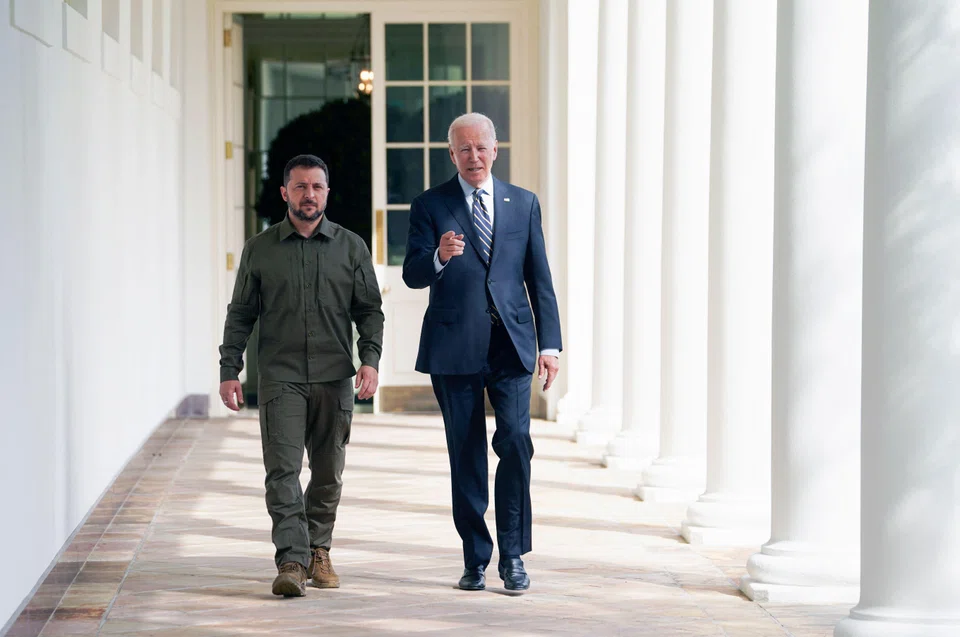
The move was a setback for President Joe Biden and pro-Ukraine American lawmakers, coming just days after Ukraine president Volodymyr Zelensky visited Washington and met lawmakers on Capitol Hill to try to rally support for renewed American aid to his country.
It also reflects growing opposition among Republican voters to current US policy on Ukraine. An August Wall Street Journal poll indicated that 62 per cent of Republican voters thought Washington was doing too much in support of Ukraine, up from 56 per cent in April.
President Biden has been leading a global campaign to rally support for Ukraine and to impose sanctions on Russia, a policy that initially seemed to have enjoyed bipartisan backing in Congress.
But some Republican politicians, including a group of right-wing lawmakers associated with former President Donald Trump, have been promoting a more isolationist “America First” agenda that has challenged the consensus in Washington over Ukraine.
These politicians, joined by ultra-conservative pundits such as broadcaster Tucker Carlson, formerly from Fox News, have argued that the American preoccupation with the war in Ukraine has diverted attention from more pressing domestic issues, such as the rise in the number of illegal immigrants in the southern states. They also argue that US military and economic resources should be used to strengthen the American position in the more critical confrontation with China.
Like Carlson, these lawmakers led by Representative Matt Gaetz from Florida also believe that America should ally with President Putin and other nationalist and populist leaders in Europe, like Hungary’s Viktor Orban, who share their anti-liberal positions on issues such as gay rights and immigration.
More ominous from the perspective of President Zelensky, President Biden and America’s European allies are the signs that leading Republican figures – including two presidential candidates, Florida’s Republican governor Ron DeSantis and biotech entrepreneur Vivek Ramaswamy – have expressed scepticism about the need to maintain the current level of support for Kyiv and suggested that US interests lie in ending the war in Ukraine, even if a potential peace agreement would align with Russian interests.
The anti-Ukraine Republicans in the House of Representatives have been clashing with the now-deposed Republican Speaker of the House, Kevin McCarthy, over the federal budget and have threatened to sabotage a bipartisan deal even if it meant the shutdown of the government, unless Congress agreed to slash the US$6 billion in aid to Ukraine.
The Republican leader in the Senate, Minority Leader Mitch McConnell from Kentucky, as well as other Republican senators, such as Lindsey Graham from South Carolina, have backed the Biden administration on Ukraine and have even criticised the White House for not providing enough military support for the Ukrainians.
These pro-Ukraine Republicans have joined Senate Majority Leader Charles Schumer in insisting that they would continue to fight for more economic and military aid to Ukraine. “I am confident that the Senate will pass further assistance to Ukraine this year,” said Senator McConnell over the weekend.
Similarly, the now-former Speaker McCarthy had also expressed confidence that the assistance to Ukraine would eventually be approved. Support for Ukraine remains strong in the House, where 311 lawmakers out of 433 members voted last week to pass a measure appropriating US$300 million in security assistance to Ukraine. But close to half of the Republican House members now want to halt the aid to Kyiv.
Moreover, from the perspective of the Ukrainians and the Nato members who support them, the worst-case scenario would involve the return of former President Donald Trump – a long-time partner of Putin and a critic of US policy towards Ukraine – to the White House
Yet candidate Trump has refrained from calling for cutting US assistance to Ukraine and much of his comments on the issue have to do with his pledge to stop the Ukraine war within “24 hours” after entering office, although he has yet to elaborate on that plan.
But there is no doubt that Russian President Putin regards the growing opposition to aid to Ukraine among the Republicans and the prospect of Trump returning to the White House as tipping the balance of power in the war in his favour and would make it less likely that he would agree to make concessions to Kyiv anytime soon.
In a way, the changing GOP position on Ukraine as well as the growing power of the nationalist Trumpists may reflect a long-term trend of the Republican Party returning to its isolationist roots.
Indeed, for most of the first part of the 20th century, Republicans had promoted an isolationist and protectionist agenda, rejecting the idea of America joining the League of Nations after World War I, with many of them expressing initial opposition to US entry into World War II and to the establishment of Nato after that war.
These political trends are bound to worry US allies across the Atlantic and the Pacific, recalling the four years of the Trump presidency when he and his Republican allies had proposed ending some of America’s military alliances around the world while pursuing a global protectionist agenda.
It would be interesting to see how the Ukrainians respond to these developments and whether President Zelensky, recognising that he could not count on continuing US support in the long run, may choose to make a deal with Russia before the US presidential election.