
SUBSCRIBERS

The road to de-escalation with Iran

There is an off-ramp for the ongoing conflict in the Middle East, but it requires taking economic incentives seriously
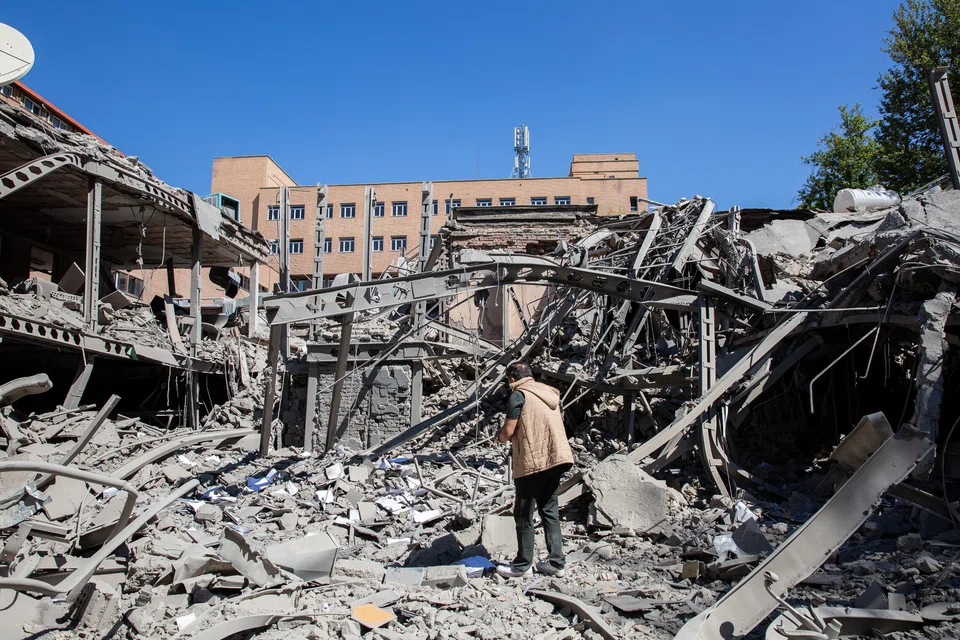
    • A building destroyed by US-Israeli air strikes on the campus of Sharif University of Technology
 in Teheran. Even before the destruction wrought by this phase of the conflict, Iran’s civilian economy suffered from severe underinvestment.
    • A building destroyed by US-Israeli air strikes on the campus of Sharif University of Technology in Teheran. Even before the destruction wrought by this phase of the conflict, Iran’s civilian economy suffered from severe underinvestment. PHOTO: NYTIMES

    DeeperDive is a beta AI feature. Refer to full articles for the facts.

    Published Wed, Apr 8, 2026 · 09:56 AM

    [WASHINGTON, BERKELEY] The closure of the Strait of Hormuz is having devastating consequences worldwide.

    The price of oil is up sharply, liquefied natural gas has become much more expensive in key markets, the cost of fertiliser is likely to remain high throughout the planting season, and liquefied petroleum gas is hard to find in some regions.

    The world’s poor and middle-class households are being hit the hardest. In countries such as Sri Lanka, Bangladesh, Pakistan, India, Thailand and the Philippines, higher fuel prices immediately squeeze budgets for low-income people, who also face the prospect of higher food prices.


    Decoding Asia newsletter: your guide to navigating Asia in a new global order. Sign up here to get Decoding Asia newsletter. Delivered to your inbox. Free.

    Share with us your feedback on BT's products and services


