

Why this oil shock is different
Governments and central banks are out of policy ammunition to contain the economic fallout
THE outcome of the Iran war remains unclear, but the resulting oil shock has revealed a novel vulnerability in the global economy. Never has the world entered a crisis of any kind with such high deficits and debt levels. This burden will limit the ability of governments to cushion the impact of elevated energy prices.
The first post-World War II oil shocks hit in the 1970s and coincided with the dawn of a new era, when governments shifted from running budget deficits occasionally to constantly. But back then, the typical deficit in the US and other major countries was around 2 per cent of gross domestic product.
Today, the average deficit has more than doubled; as a result, the average government debt level for the Group of 7 countries has risen from 20 per cent of GDP to more than 100 per cent.
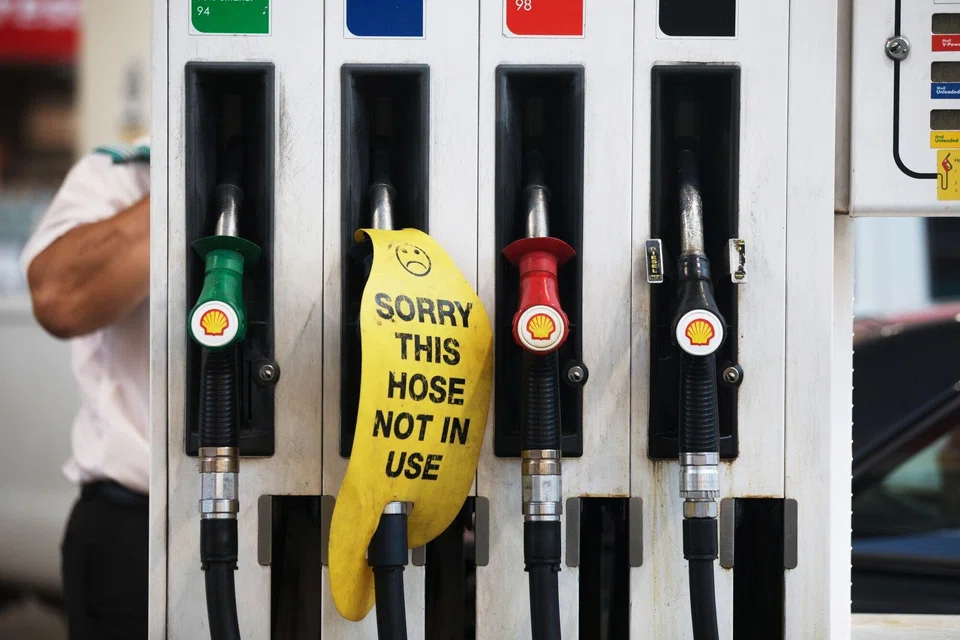
Governments are trying to respond as they have to oil shocks in the past. From the UK and France to Brazil and India, they are introducing price controls, rationing schemes and subsidies for fuels of all kinds, from transport to cooking.
But this time, they can ill-afford these relief measures and global bond markets are warning against spending hikes.
During crises, long-term interest rates typically decline as markets anticipate slower growth and easier monetary policy. The exceptions were the big oil shocks, when long-term rates rose along with expectations of higher inflation.
Today, bond yields are rising again but for a different reason. Longer-term inflation expectations remain stable, but markets fear the Iran oil shock will trigger more spending on top of rapidly expanding deficits and debt, which is resulting in a higher term premium for bonds.
Last year, driven by government borrowing, total global debt levels rose at the fastest pace since the pandemic surge, to a record US$348 trillion, which is more than three times global GDP. That leaves very few governments in a position to roll out new stimulus.
Central banks are in a similar bind. In recent decades, they have worked alongside governments to extend stimulus at the first sign of trouble – but they cannot do so easily now.
The US Federal Reserve has missed its 2 per cent inflation target every month for 60 months in a row. Lately, three of every four central banks in developed countries and one of two in emerging countries have been missing their targets, too.
Even if the oil shock slows economies, central banks may not be able to act as the shock also pushes inflation upwards.
The most vulnerable nations are those with the highest government debt and deficits, and with a central bank missing its inflation target; in the developed world they include most prominently the US and the UK; in the emerging world, the most at risk are led by Brazil, Egypt and Indonesia.
By the same measures, there are few relatively invulnerable economies, and they tend to be smaller ones, from Taiwan and Vietnam to Sweden – which, despite its generous welfare state, runs a deficit under 2 per cent of GDP.
While the US is protected from the oil shock by its energy self-sufficiency, it is nonetheless vulnerable to a prolonged conflict because it had the highest deficit in the developed world last year at nearly 6 per cent of GDP.
Doomsayers have been ringing alarms for decades, and there is no clear threshold beyond which a deficit is likely to trigger economic trouble.
This time, however, the bond market reaction sends a warning. And other signs – such as interest payments on US government debt now exceeding its defence budget – also suggest that at over 100 per cent of GDP, the debt burden is an increasingly pressing concern.
Washington is habituated to spending as if there is no limit. Last year, President Donald Trump increased defence spending by US$150 billion, before tripling down last week. He proposed boosting the Pentagon budget by another US$500 billion to US$1.5 trillion, only partially offset by cuts in other government agencies.
Coming on top of new tax breaks and other drains on the Treasury, these measures could push the US deficit close to 7 per cent of GDP this year.
This is what makes the Iran shock so different from its predecessors. The global economy has experienced even sharper surges in oil prices and has become more efficient in its energy usage, which should ordinarily help mitigate the impact.
Instead, any protracted increase in oil prices is likely to be magnified by the fact that governments are running low on policy ammunition to counter it. This new vulnerability will expose the global economy not only to fallout from the Iran war, but to every shock in the foreseeable future. FINANCIAL TIMES
The writer is chair of Rockefeller International. His latest book is What Went Wrong With Capitalism.
TRENDING NOW

LTA proposes combining car COE categories, adding rebate-surcharge system

StarHub to acquire MyRepublic’s mobile business amid ongoing telco consolidation

DBS, OCBC, UOB rout lops billions off STI as inflation, rate concerns spook investors

Grab CEO’s wife Chloe Tong on life with Anthony Tan and finding her purpose

