

The science and art of celebrity branding
Brands must consider both quantitative metrics and cultural expectations in choosing their ambassadors
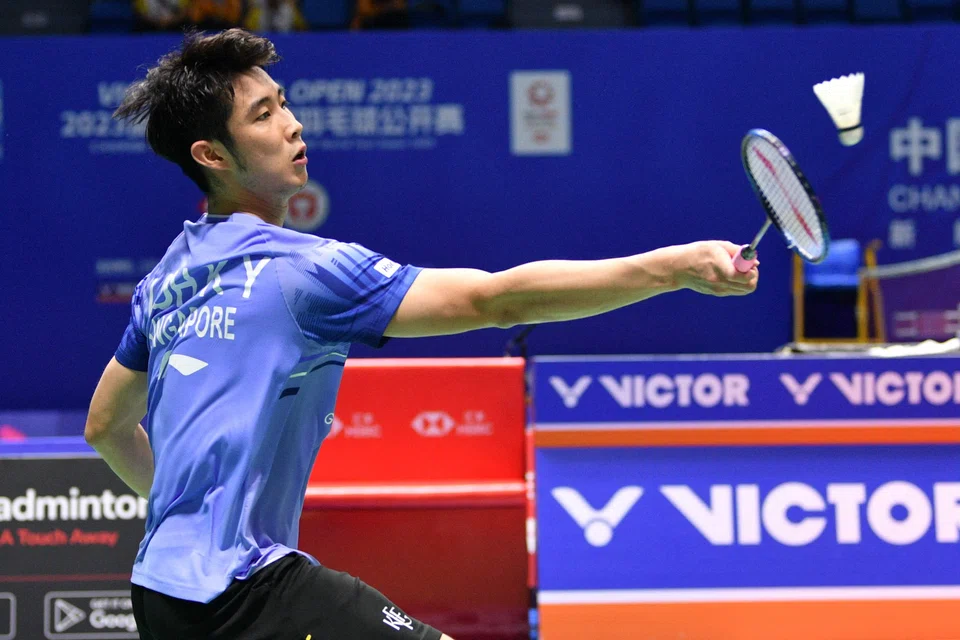
WHEN Carlos Alcaraz won Wimbledon, Rolex bought full page advertisements in major newspapers around the world to congratulate him. In Singapore, we see Loh Kean Yew endorsing Grab in bus stop ads and Kim Kardashian lounging in a larger-than-life poster on a Dolce & Gabbana storefront.
Advertising a brand through such associations is both an art and a science. Companies need to consider a wide range of factors to determine whether or not a person is the right fit. A faux pas can result in widespread criticism or ridicule on social media, and may cause greater harm than benefit to the brand.
When homegrown bank DBS splashed its logo prominently on the chest of top Indian badminton players such as Lakshya Sen, Satwiksairaj Rankireddy and Chirag Shetty at the BWF World Championships in August, this ignited discussions on social media over whether an iconic Singaporean brand should back foreign sports players over the national team.
Thankfully, Lakshya Sen did not play against local sport idol Loh – else one might have wondered if the players were wearing the wrong jerseys.
The science of metrics
Through sponsorships, endorsements and advertising, brands attempt to create an association between their products and a celebrity’s desirable traits. The aim is to produce the impression that if one wants to be a certain type of person, then one should buy that product.
Companies in the United States may use measurement metrics like Q Scores to determine the relative effectiveness of a particular celebrity for endorsement purposes. The higher the Q Score, the more highly regarded the person is, allowing them to command a higher price.
Q Scores are accepted as the industry standard for measuring celebrities’ familiarity, likeability and appeal – though for social media influencers, the number of followers and likes may be more important.
Generally, celebrity actors and athletes lead the field of personalities who enjoy a substantive economic value and goodwill. Every celebrity has marketing potential in an era of consumer capitalism – from character merchandising to paid endorsements to strategic associations, such as Michelle Yeoh wearing a Dior gown to the Oscars.
Celebrity endorsements affect consumer decisions in different ways, such as enhancing product or brand recall, and improving the perception of quality. They are likely to have a positive effect on consumers’ brand perceptions and purchasing decisions – commonly referred to as the “positive halo effect”.
Celebrities function as shortcuts for brands to give their products distinctive identities. Consumers might feel that through consuming goods and services which celebrities favour, and living a lifestyle seen as similar to theirs, they are joining an elite status community.
In the context of sport, fans are likely to have a stronger emotional and social connection to brands if their favourite athletes are associated with them.
All this is evident in the multi-million dollar endorsement contracts that actors, singers and athletes sign each year with brands as diverse as American Express, Louis Vuitton, Nike, Rolex and Pepsi.
The art of selection
Yet, even when a celebrity or sporting team appears to be a good fit based on scientifically derived metrics, brands need to consider cultural norms and community expectations. Therein lies the art of selection.
Brands that align themselves with Roger Federer – the impeccable gentleman of tennis – are signalling different values compared to brands that showcase Novak Djokovic, the gritty and somewhat petulant fighter.
A fashion brand that features Oscar-winning actresses in its ad campaign is communicating a different message from one that showcases Kim Kardashian.
Certain brands, though aiming to be global names, are nonetheless expected to support national heroes first. In its heyday, Credit Suisse tapped Roger Federer to front its ad campaigns; KB Kookmin Bank supports the South Korean national badminton team.
Other brands such as Rolex or Nike transcend their origins and are viewed to be of universal appeal. It is almost impossible to find that tipping point when a brand transcends its local connections and community obligations.
In Singapore, it is appreciated that home-grown brand Novita features Kit Chan, JJ Lin, Joseph Schooling, Joscelin Yeo and Ang Peng Siong in its branding efforts. Yet, while this may be a winning formula that showcases its local roots, the home appliance brand will have to find different personalities to connect with different markets in South-east Asia.
DBS has previously tapped Chan and Schooling for local campaigns. Some foreign brands seeking to expand their familiarity and favourability here are adopting a localisation approach, such as HSBC Life appointing badminton players Terry Hee and Jessica Tan as brand ambassadors.
The challenges of going global
A more difficult issue that Singaporean brands face is this: When should a brand fully embrace its transnational character in selecting the personalities with whom to be associated? And how does it fit with the brand narrative?
It is an even greater challenge when the word “Singapore” appears in the brand name. Hypothetically, a brand like Ya Kun Kaya Toast – seeking to be a Singaporean brand that traverses geographical boundaries – can more easily partner with Cha Eun-woo for South Korea or Priyanka Chopra for India, as it brings Singaporean culture to new markets via the product itself.
For Singapore Airlines, no Singaporean would quibble if a campaign featured Malaysian actress Michelle Yeoh or Korean pop group BTS, as this fits the airline’s brand narrative.
It is a different story for DBS. It might have made commercial sense to sponsor top Indian badminton players so as to improve familiarity with consumers and badminton fans in India. But ultimately it is the Development Bank of Singapore, and questions will be asked when local players do not proudly display the DBS logo on their chest next to the national flag, but their opponents across the net do it.
Unfortunately there are no easy answers. The price of winning eyeballs may come at the cost of losing hearts.
The writer teaches entertainment law at the National University of Singapore and is head (intellectual property) at the EW Barker Centre for Law & Business
TRENDING NOW

ComfortDelGro appoints two new independent directors

Once staunchly pro-China, Malaysian Chinese businesses are now distancing themselves from Beijing

NoonTalk needs continued financial support from CEO Dasmond Koh, auditors warn

DP Architects sets the benchmark for sustainability disclosure and design

