

Shaping flexible multilateralism for a world in flux
An incremental approach towards cooperation is a critical strategic tool for nations
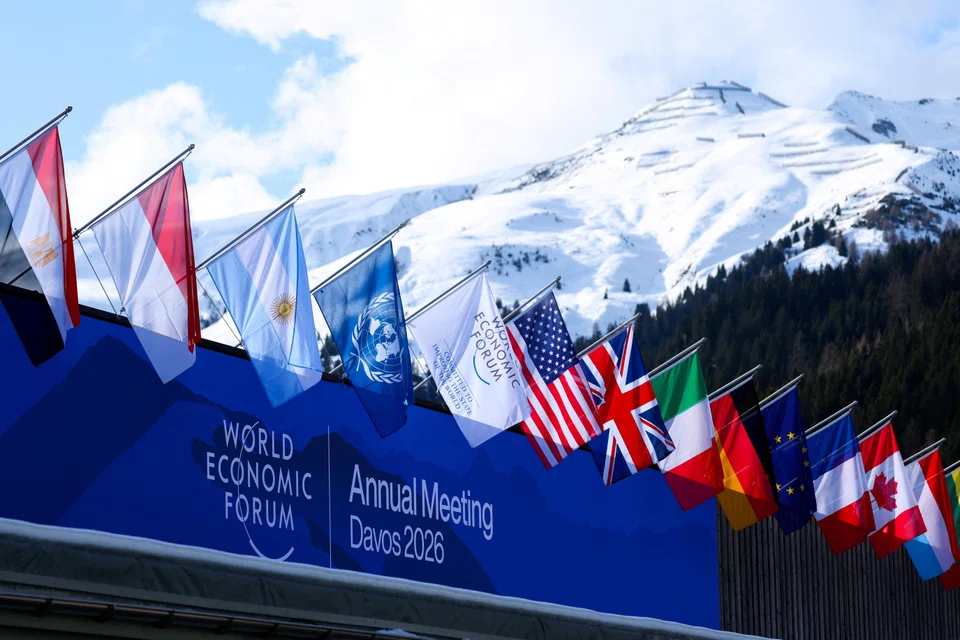
AT THE World Economic Forum in Davos last month, Canada’s Prime Minister Mark Carney offered a candid assessment of a world in flux, urging middle powers and smaller countries to act together to safeguard their shared interests. He remarked, “We actively take on the world as it is, not wait for a world we wish to be.”
Today’s world demands, in Carney’s words, “variable geometry”: different coalitions for different issues, grounded in shared values and converging interests. This approach is principled and pragmatic.
Echoing this sentiment, Prime Minister Lawrence Wong has termed this approach “flexible multilateralism”, explaining that it is about “(laying) the building blocks one by one, then in time to come, others that are more ready can join it”.
TRENDING NOW

Once staunchly pro-China, Malaysian Chinese businesses are now distancing themselves from Beijing

Looking beyond looming CEO succession, should UOB potentially pursue a transformative merger?

Could stablecoins be the future of money?

Grab CEO’s wife Chloe Tong on life with Anthony Tan and finding her purpose

